-
Xuntong specializes in testing services for electrical accessories, consumer electronics, lighting, wireless, toys and other products.



 Service Hotline 18617145297
ROHS Directive: 2011/65/EU
Official title:
Directive 2011/65/EU of the European Parliament and of the Council of 8 June 2011 on restricting the use of certain hazardous substances in electrical and electronic equipment.
Description:
RoHS stands for restrictions on hazardous substances. RoHS can be pronounced “Ar, Oh, Ach, Es” or something similar to “rose”.
The RoHS Directive establishes rules that restrict the use of hazardous substances in electrical and electronic equipment (EEE) to help protect human health and the environment, including the environmentally sound recycling and disposal of waste EEE.
One of the main goals of RoHS 2 is to address issues associated with the increasing amount of Waste Electrical and Electronic Equipment (WEEE) produced in the EU. Hazardous substances in such equipment may be released during waste management and may cause damage to human health and the environment. The most effective way to solve this problem is to limit the use of hazardous substances at the time of manufacture.
This is the EU regulation. The sole purpose is to solve the global consumer electronic waste problem. As the world of technology continues to develop, many electronic products are discarded and end up in landfills, ultimately causing harm to the environment and human health. The directive applies to the manufacture of various types of electronic and electrical equipment that do not use six different hazardous materials:
According to Wikipedia,”the maximum allowable concentration in non-exempt products is 0.1% or 1000 ppm by weight (except for cadmium, which is limited to 0.01% or 100 ppm). These limits are for every homogeneous material in the product, which means that they do not apply to the weight of the finished product, or even to the component, but to any single substance that can (theoretically) be mechanically separated, such as sheath on cables or tin plating on component leads.” Limiting the use of hazardous substances in electrical and electronic equipment (EEE) at the time of manufacture can also reduce potential exposure to hazardous substances that may occur during the use phase. The EU has also legislated on hazardous substances associated with other priority waste streams, such as end-of-life vehicles, batteries and packaging.
The RoHS Directive applies to the following types of equipment:
This Directive does not apply to:
Maximum permissible concentration values by weight in restricted substances and homogeneous materials mentioned in Article 4(1)
Starting from July 22, 2021, the restrictions on DEHP, BBP, DBP and DIBP will apply to medical devices (including in vitro medical devices) and monitoring and control instruments (including industrial monitoring and control instruments). The restrictions on DEHP, BBP, DBP and DIBP do not apply to EEE and cables or spare parts used for repair, reuse, function updates or capacity upgrades of medical equipment placed on the market before July 22, 2019, including in vitro medical devices and monitoring and control instruments, including industrial monitoring and control instruments, placed on the market before July 22, 2021. Restrictions on DEHP, BBP and DBP do not apply to toys that have been restricted by DEHP, BBP and DBP through Article 51 of Annex XVII of Regulation (EC) No 1907/2006.
Allow internal production controls or CE marking self-certification. Manufacturers require authorized third-party laboratory testing reports and must ensure that product design and manufacturing comply with the requirements of the ROHS Directive.
 WeChat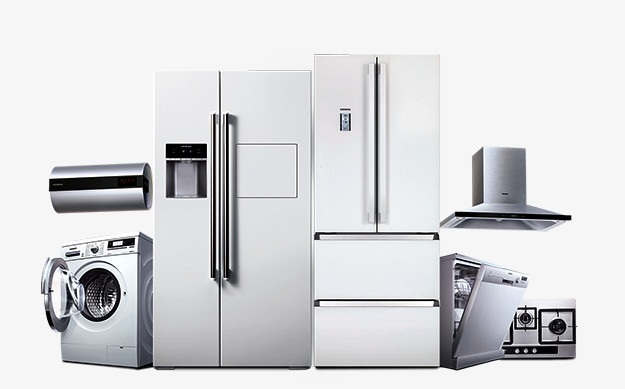


 Submission Successful
 WeChat Official Account