-
Xuntong specializes in testing services for electrical accessories, consumer electronics, lighting, wireless, toys and other products.



 Service Hotline 18617145297
Electric shavers and hair clippers are typical waterproof handheld small appliances and a high-risk category in routine market surveillance worldwide. Before finalising a product design, Ningbo Xuntong Standard usually recommends a full pre-assessment against IEC 60335-2-8 and GB 4706.9, so that design flaws can be eliminated before the tooling stage. This article systematically reviews the scope, key test items and acceptance criteria for these products.
IEC 60335-2-8 applies to appliances that remove hair or beard by electric heating or motorised action, including dry shavers, wet shavers, hair clippers and their charging bases. The Chinese equivalent is GB 4706.9. It should be noted that products with a charging function must also meet the general standard IEC 60335-1 (GB 4706.1) for electric shock protection, temperature rise, resistance to heat and fire, and so on. Ningbo Xuntong Standard confirms at the outset whether the product contains a lithium battery or is marketed as fully washable, as these two factors directly determine the number of tests required.
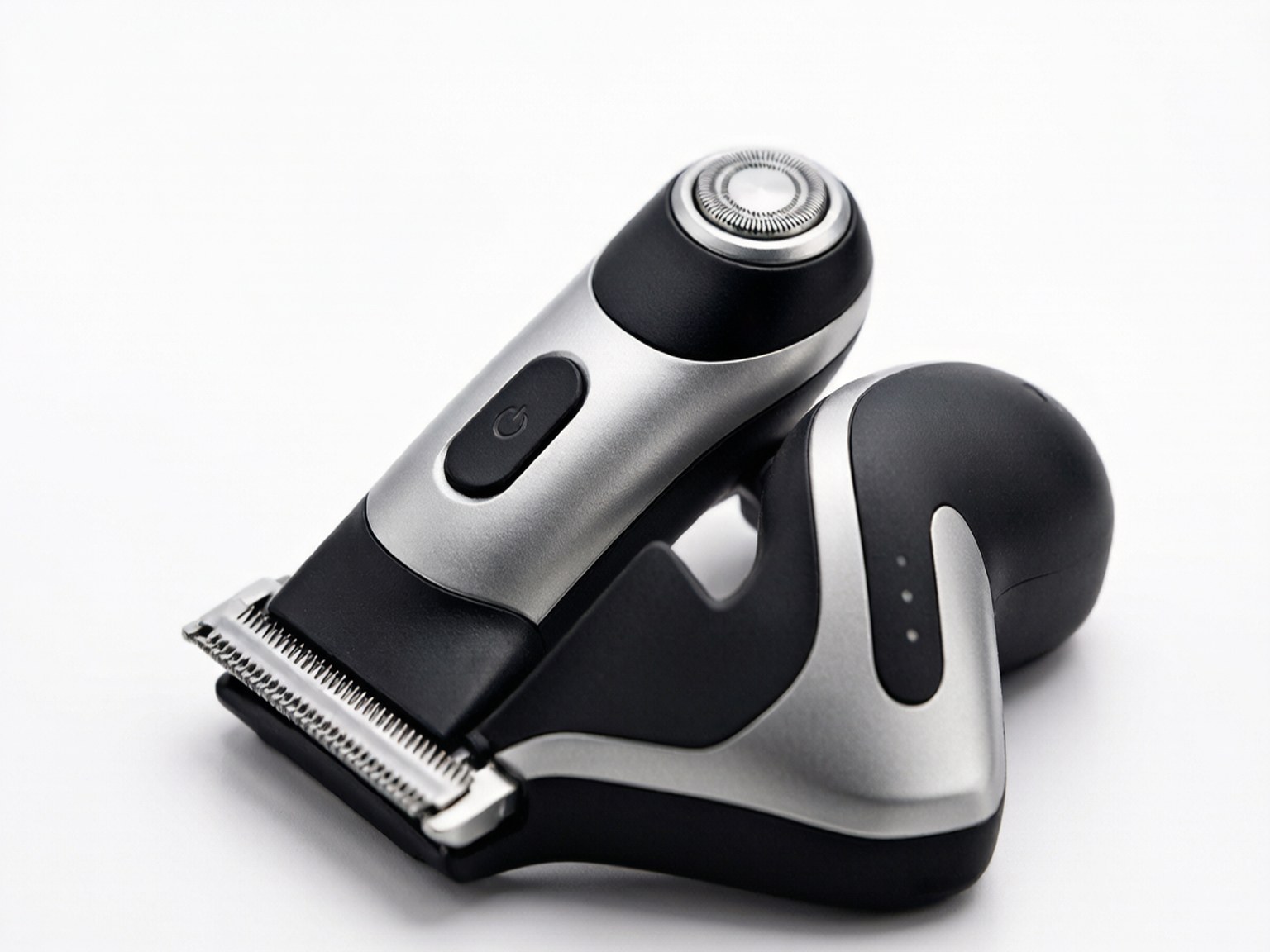
The first and most frequently failed group is waterproofing and electric shock protection. Washable models must achieve the relevant IPX rating, and internal live parts must not become accessible after spraying or immersion. Common failures include poor sealing at the blade-to-body joint and uninsulated charging ports. The second group is creepage distance and clearance; the compact body forces wiring into tight spaces, and the distance between live and weak-current circuits or between live parts and accessible metal is easily insufficient. The third group is temperature rise and battery safety: surface temperature rise of the body and battery during charging must stay within limits, and lithium versions must also pass abnormal tests such as overcharge and short circuit.
The acceptance criteria can be summarised in three points: insulation resistance and electric strength remain compliant after the water ingress test with no tracking or flashover; under normal operation and abnormal conditions such as locked rotor or short circuit, no accessible surface exceeds the temperature limit and the lithium battery must not bulge or ignite; and the mechanical structure passes blade strength, guard locking and post-drop assessments without exposing the blade or producing sharp edges. Keeping these three points secures market access in most jurisdictions.
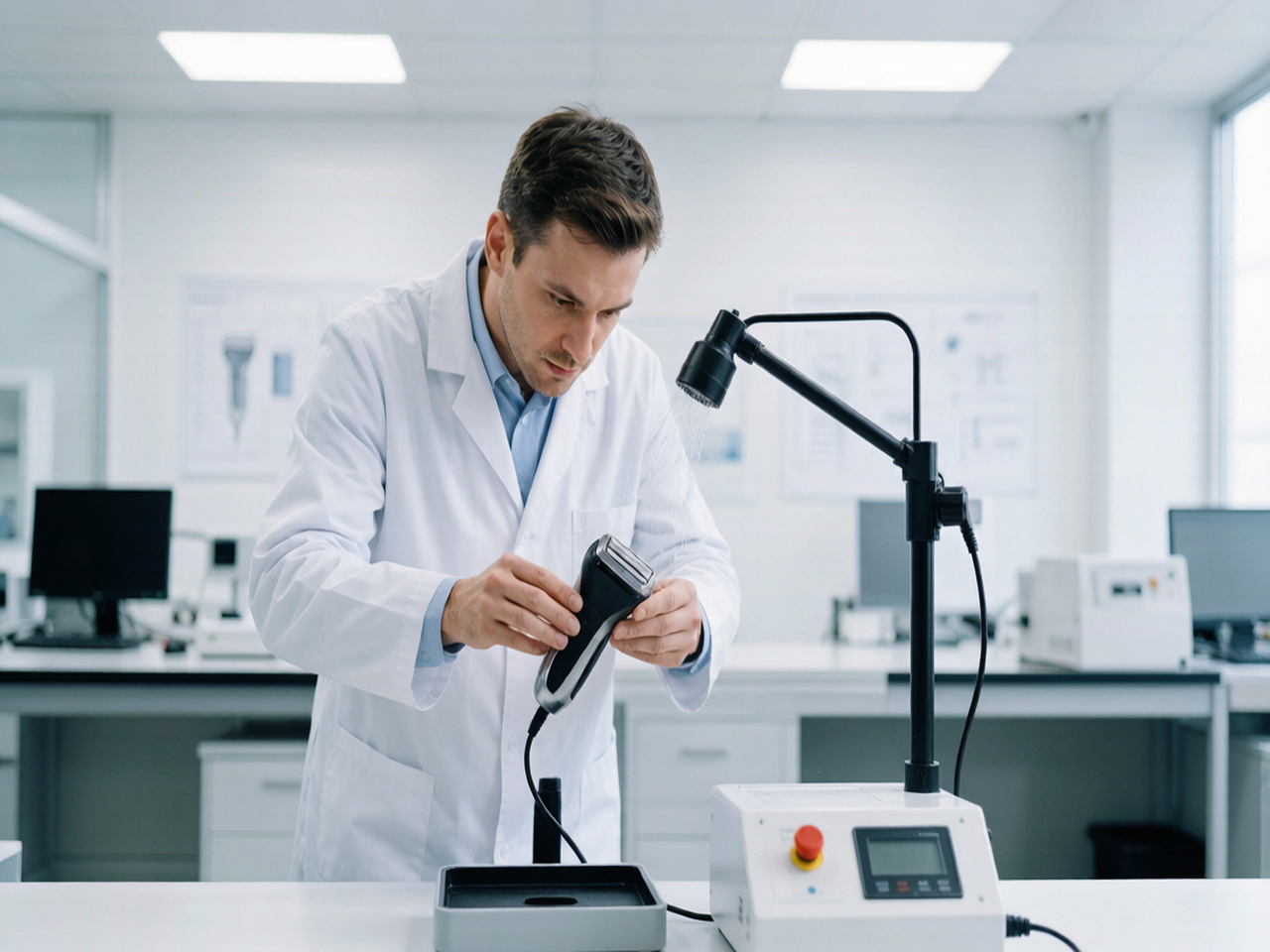
In years of testing, Ningbo Xuntong Standard has found the most common pitfall among low-cost designs is sacrificing safety margin to shrink the product: transformers and capacitors without compliant barriers, omitting temperature and battery protection to cut cost, and failing to physically isolate the charging circuit from the blade cavity. Rectifying these after mass production is extremely costly, so a safety review should be moved forward to the PCB layout stage.
Ningbo Xuntong Standard provides pre-testing, non-compliance diagnosis and rectification support for shavers and clippers under IEC 60335-2-8 / GB 4706.9, covering waterproofing, creepage, temperature rise and battery items, and assists with CE, UKCA, PSE and other multi-market certifications. More standards interpretation is available in the regulations and standards column, appliance testing capability in the appliance testing column, and the official Ningbo Xuntong Standard website offers the quotation guide. Finding problems before mass production minimises rectification cost.
 WeChat


 Submission Successful
 WeChat Official Account