-
Xuntong specializes in testing services for electrical accessories, consumer electronics, lighting, wireless, toys and other products.



 Service Hotline 18617145297
Vacuum cleaners are one of my country’s largest export categories of home appliances, and are also high-frequency targets for random inspections by customs and e-commerce platforms in various countries. Its safety testing basisClassification of regulations and standardsThe IEC 60335-2-2 included in, which superimposes special clauses for vacuum cleaners on top of the general standard IEC 60335-1. This article explains this standard clearly in the order of scope of application-core testing-qualification criteria, so that R & D and quality inspection can avoid detours during the project establishment stage.
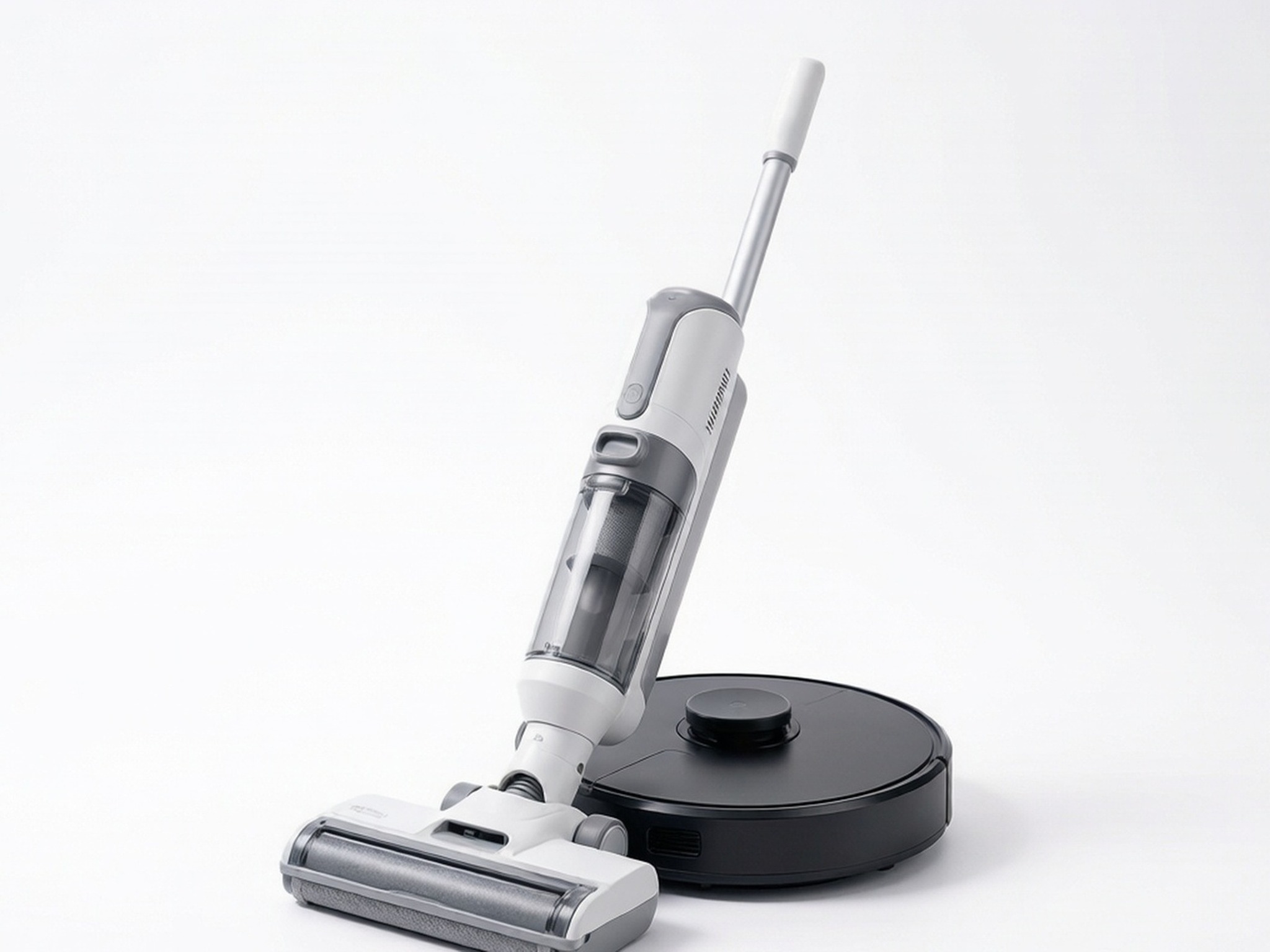
IEC 60335-2-2 covers vacuum cleaners and absorbent cleaning appliances for household and similar purposes, including dry, wet, water filtered, wireless handheld and models with electric brushheads. It should be noted that high-power equipment for industrial use and explosion-proof models used in flammable and explosive environments are not included and should be evaluated according to corresponding special standards. For export companies, confirming that the product belongs to 2-2 is the first step in selecting the right test path. Choosing the wrong standard will lead to the retest of the entire batch of samples.
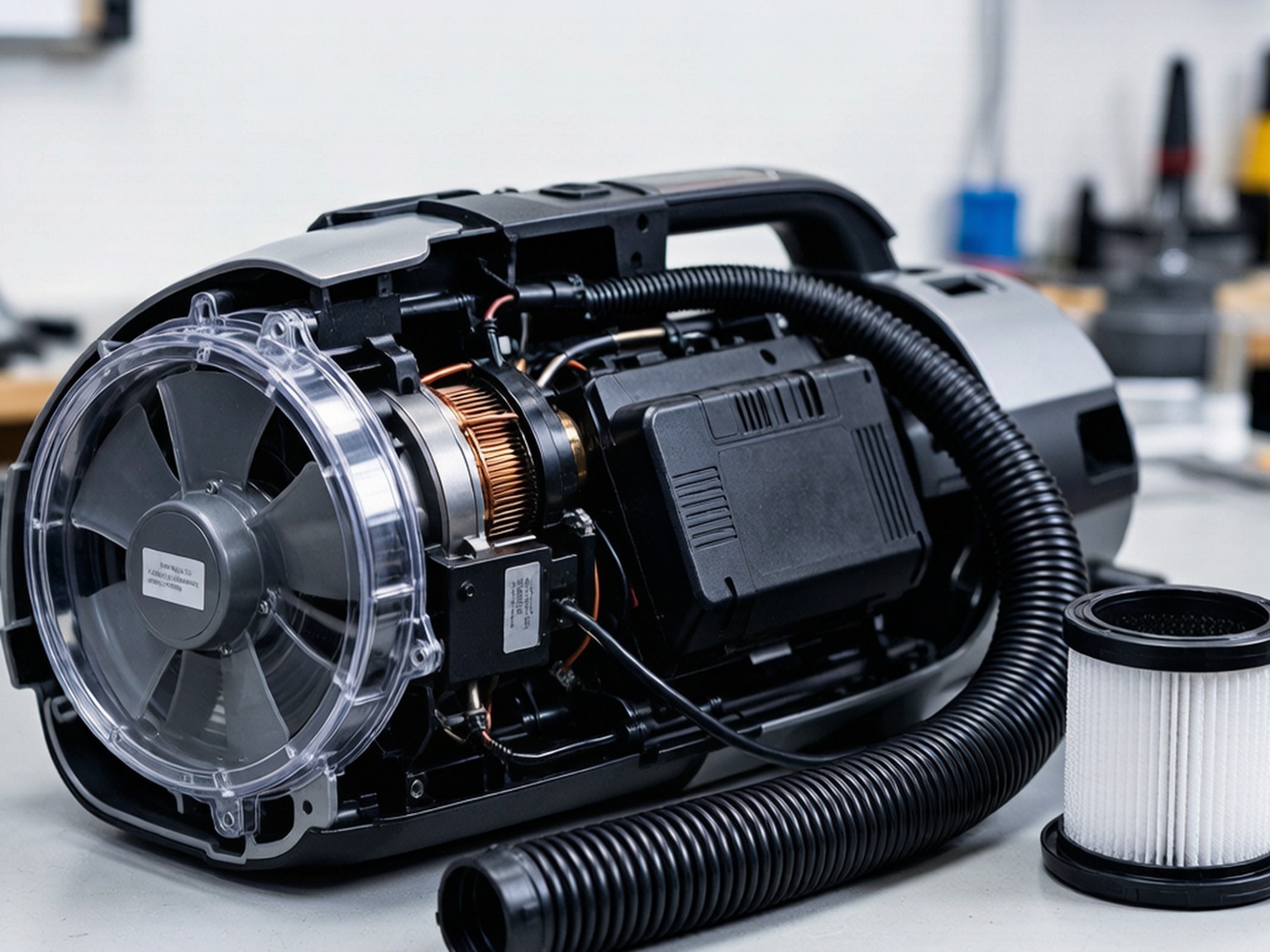
In addition to the electrical strength, leakage current, temperature rise, and durability of the general standard, the special tests of 2-2 focus on three points: first, the mechanical strength of the hose and connecting parts must be able to withstand tension and torsion without damage; second, the blocking and temperature rise of the electric brush head simulate hair entanglement scenarios; third, the battery model (wireless vacuum cleaner) must additionally meet the battery charging, discharging and overheating protection requirements. The whole machine must also undergo a structural inspection to confirm that the accessible metal parts are not electrified and the moving parts are protected. The pre-test of Ningbo Xuntong standard will be specially designed to avoid blocking and twisting conditions to expose weak points in advance.
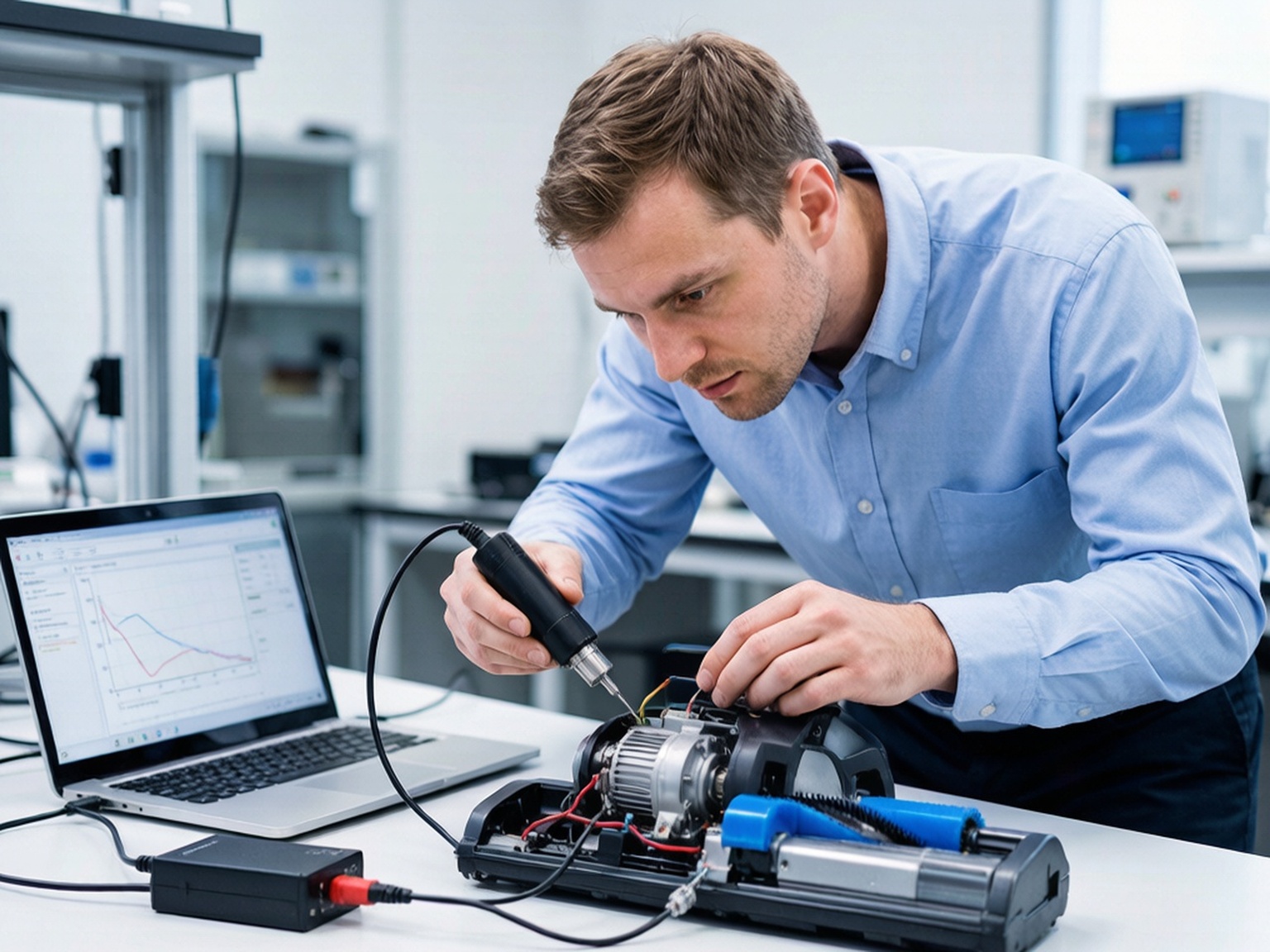
In terms of criteria, the hose shall not have visible cracks under 1 minute of pulling force, and the connecting pieces will not loosen after the pulling force is lifted; when the electric brush head is blocked, the winding temperature must be lower than the limit and can still work normally afterwards; the battery system is not allowed to catch fire or explode during abnormal charging. In response to these, Ningbo Xuntong Standards will issue test data and rectification suggestions item by item during the pre-testing process to help companies polish the structural design in place before formal certification. Common shortcomings are the snap strength of the hose and the thermal protection of the brush head. These two points are recommended to prioritize iteration.
Equivalent versions of IEC 60335-2-2 include EU EN 60335-2-2, UK BS EN 60335-2-2, ANZ AS/NZS 60335 -2- 2, Japan J 60335-2-2, and US UL 1017. Although the core tests are consistent, countries differ in additional requirements (such as plugs in Australia and abnormal temperature rise in the United States). To understand the differences in multiple markets, please refer toHome appliance testing servicesControl data under, or visitNingbo Xuntong Standard Official WebsiteGet the latest version of the standard interpretation.
 WeChat


 Submission Successful
 WeChat Official Account