-
Xuntong specializes in testing services for electrical accessories, consumer electronics, lighting, wireless, toys and other products.



 Service Hotline 18617145297
Usually, when an enterprise applies for safety certification, testing institutions will generally give the enterprise a list of key components and require the applicant to provide component certificates according to this list. So which are safety components, which ones need to be provided with certificates, and what certificates need to be provided?
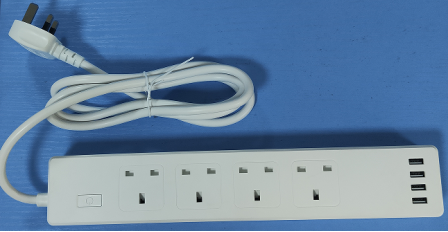
Safety components refer to components that have a direct or indirect impact on the safety performance of products. Safety features include, electric shock, excessive temperatures, radiation, explosion, mechanical hazards, fire, etc.
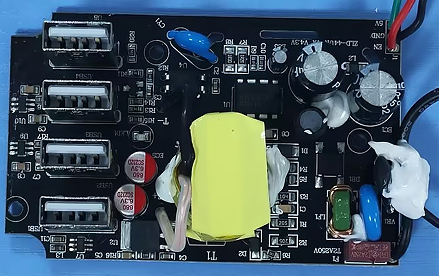
Safety components include the following:
Plug, power cord, connector, input interface, internal wire, switch, terminal, current fuse, temperature fuse, fuse resistor, varistor, relay, X capacitor, Y capacitor, PCB, plastic housing, automatic protection device, optocoupler, heat shrinkable sleeve, Mylar sheet, transformer (Including winding wire, skeleton, insulation tape, bushing, triple insulation wire, vanilla), in addition to plug socket products also need to have copper specifications, mainly to confirm the copper content of copper parts.
Requirements for specific certification of components:
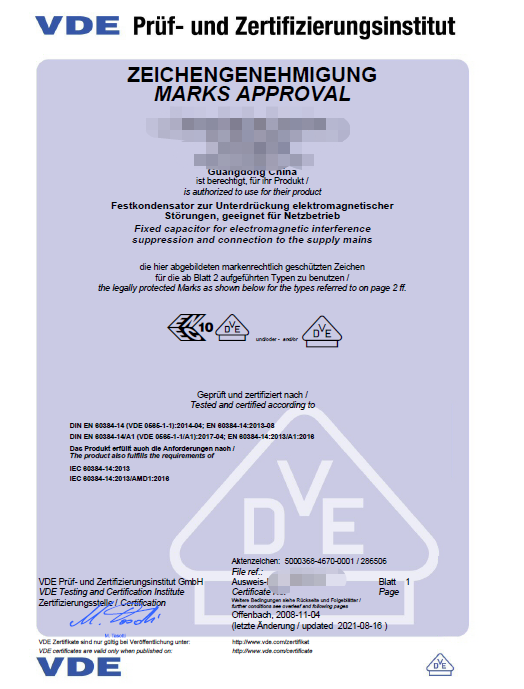
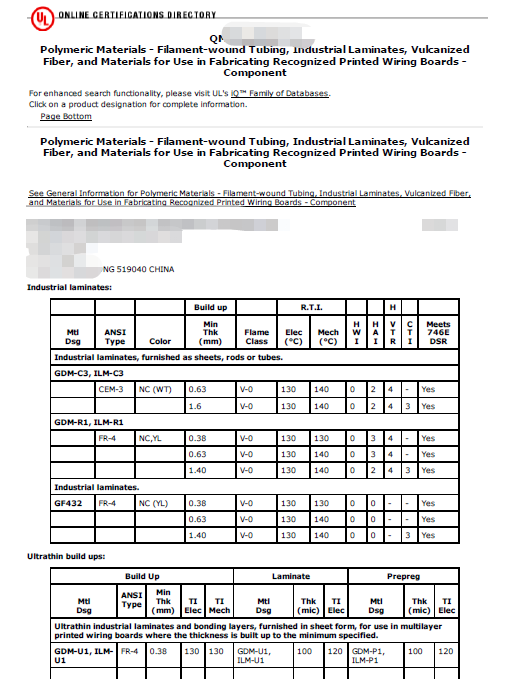
The specific certification requirements are determined by the requirements of the region where the complete product is sold. Under normal circumstances, if the complete product is exported to Europe, the safety components usually need to provide a certificate from the European NB Agency (NB Agency is Notify Body, which is an important technical entity for the EU to implement market access management in accordance with the new method directive. In order to unify and coordinate third-party certification work, on April 25, 1990, the European Community, the European Free Trade Area, CEN and CENELEC signed an agreement in Brussels to establish the “European Testing and Certification Agency (EOTC)”. Our more common ones include Germany’s TUV Rhein, TUV South Germany, Germany’s VDE, DEKRA, France’s BV, the UK’s BSI, etc. In addition, the following materials for European products also accept UL’s certificate: PCB, internal wire, heat shrink sleeve, mylar sheet, plastic shell, others are not accepted.
If the product is sold to the United States, when the complete machine applies for North American certification, such as UL or ETL, safety components only accept U.S. certification.
All in all, products are sold in a wide range of regions. Safety compliance certification in other countries or regions needs to be determined in conjunction with the standard requirements of the local country or region and its certification rules. When applying for certification, manufacturers need to pay attention to the whole machine standards. Certification requirements for components and components, as well as re-product development, need to select components that meet certification in advance according to requirements.
 WeChat


 Submission Successful
 WeChat Official Account