-
Xuntong specializes in testing services for electrical accessories, consumer electronics, lighting, wireless, toys and other products.



 Service Hotline 18617145297
Heating pads and similar flexible heating appliances enjoy steady demand across the European, American, Japanese and Australian markets thanks to their light, portable form. Having supported many enterprises with multi-market benchmarking, Ningbo Xuntong Standard finds that the same product often has to satisfy six different temperature-rise limits and labeling rules across six markets. Building a comparison table up front is the key to avoiding repeated rework caused by “one product, six certificates.”
The core standards for heating pads share the same origin but diverge clearly: China uses GB 4706.8 (electric blankets, electric heating pads and similar flexible heating appliances), the EU uses EN 60335-2-17, the UK UKCA follows BS EN 60335-2-17, the US is mainly governed by UL 130, Japan applies JIS C 9332 / PSE, and Australia and New Zealand follow AS/NZS 60335.2.17. Enterprises should lock in the target-market mix at project launch, then define product parameters in reverse.
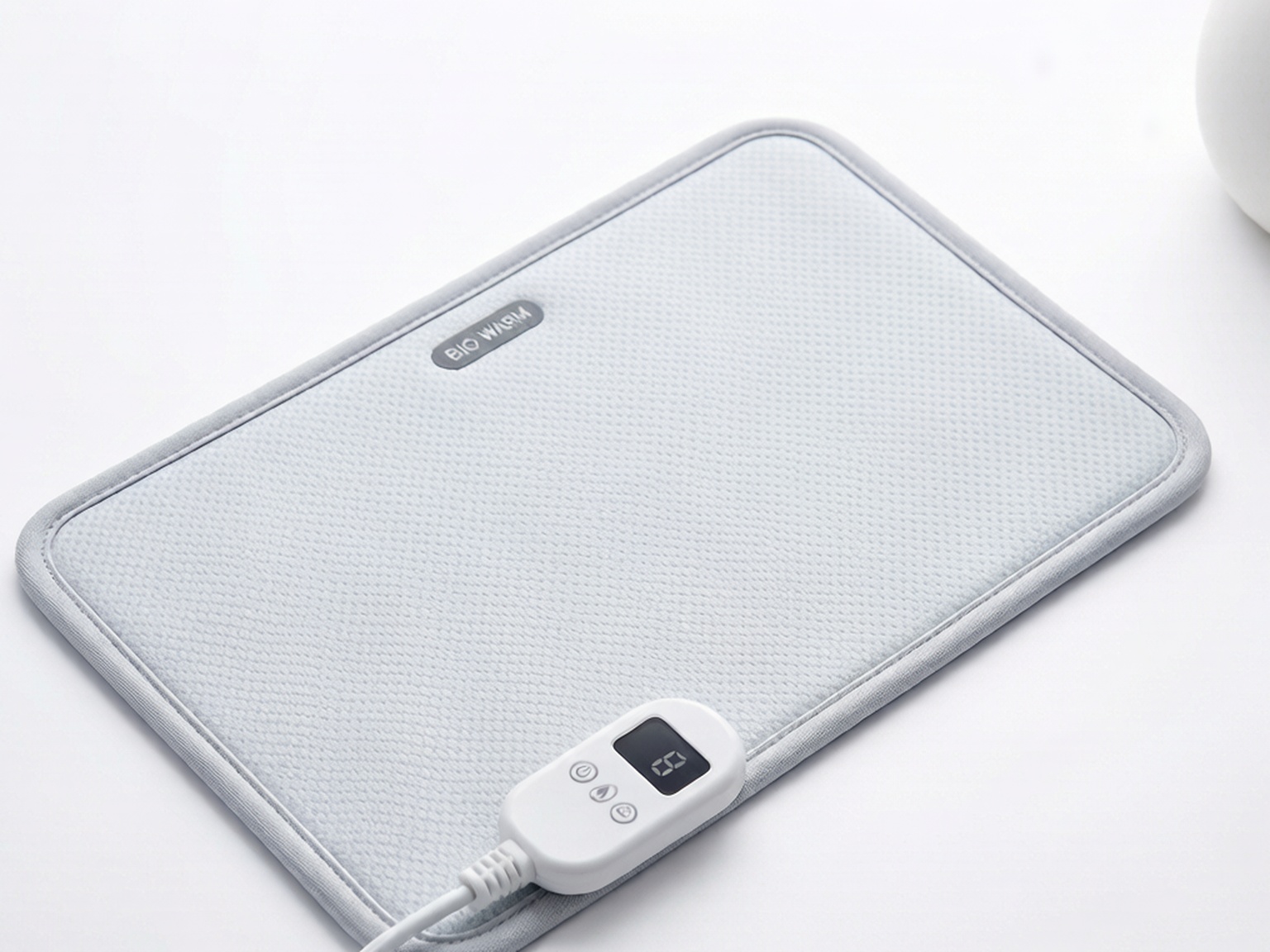
First are the temperature-rise and surface-temperature limits, whose test methods for flexible fabrics differ slightly by country. Second are structural requirements: US UL 130 is extremely strict on the reliability of controllers and temperature limiters, while Europe places more emphasis on full-standard compliance. Third are labels and instructions, which vary in multilingual text, warning language and recycling marks. Ningbo Xuntong Standard recommends that enterprises treat “maximum surface temperature” as a unified design anchor, using the strictest market’s limit to constrain the entire product family in reverse.
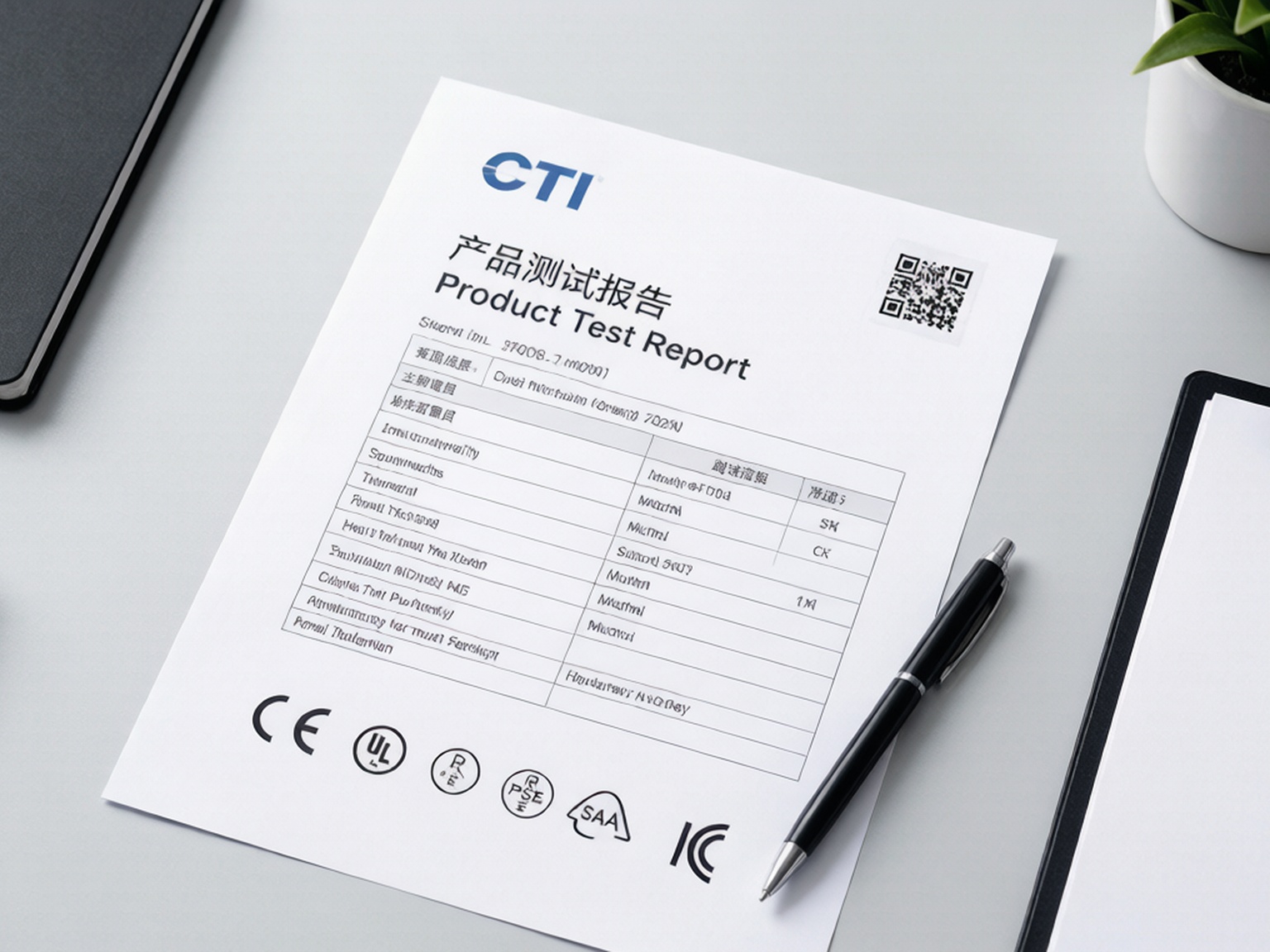
China: if the product falls under the CCC catalogue, mandatory certification is required; the EU: CE self-declaration plus third-party testing is the safer route; the UK: UKCA mark; the US: UL/cTUVus and other NRTL recognition; Japan: PSE round or diamond (by power and risk); Australia and New Zealand: SAA/RCM registration. When pursuing multiple markets in parallel, the CB scheme lets one IEC report be converted for many countries, significantly saving duplicate testing costs.

Flexing durability of the flexible heating element, limiter-failure protection, fabric flame-retardancy grade and the creepage distance of the controller are the high-frequency causes of heating pads being returned at the border. Internal wire fatigue under folding-storage scenarios in particular is often overlooked by enterprises. It is recommended to run an accelerated life assessment per the strictest market’s abnormal-test conditions during design validation.
Ningbo Xuntong Standard can provide heating-pad enterprises with six-market standards comparison, pre-testing and rectification, and certification liaison for CCC/CE/UKCA/UL/PSE/SAA, helping enterprises meet multiple markets with one R&D effort. For more regulatory and standards interpretation see the Regulations & Standards column, for appliance testing capability see the Appliance Testing column, and visit the Ningbo Xuntong Standard official website for the quotation guide. Getting multi-market compliance right the first time is far cheaper than remediation later.
 WeChat


 Submission Successful
 WeChat Official Account