-
Xuntong specializes in testing services for electrical accessories, consumer electronics, lighting, wireless, toys and other products.



 Service Hotline 18617145297
Promulgated in 2022, U.S. Reese’s Law (PL 117-171) stipulates federal safety requirements for button batteries or button batteries. The following are various requirements for button batteries or button batteries and consumer products that contain or can use such batteries. Requirements range from performance to labeling and certification.
Section 2 of the Reese Act requires the CPSC to issue rules for button batteries or button batteries and consumer products that contain such batteries. The CPSC has issued a direct final rule (88 FR 65274) that incorporates mandatory safety standards by reference to ANSI/UL 4200A-2023. Requirements are codified in 16 U.S. Code of Federal Regulations Part 1263 and apply to consumer products containing button cells or button cells produced or imported on or after October 23, 2023 (unless significant negative comments are received before October 5, 2023). Third-party testing and certification of children’s products subject to 16 CFR Part 1263 will not be required until December 20, 2023 or after.The committee recognizes that the availability of tests may be limited and that there are potential difficulties in meeting mandatory requirements; therefore, the committee has granted enforcement discretion to apply these requirements to products produced or imported after March 19, 2024.
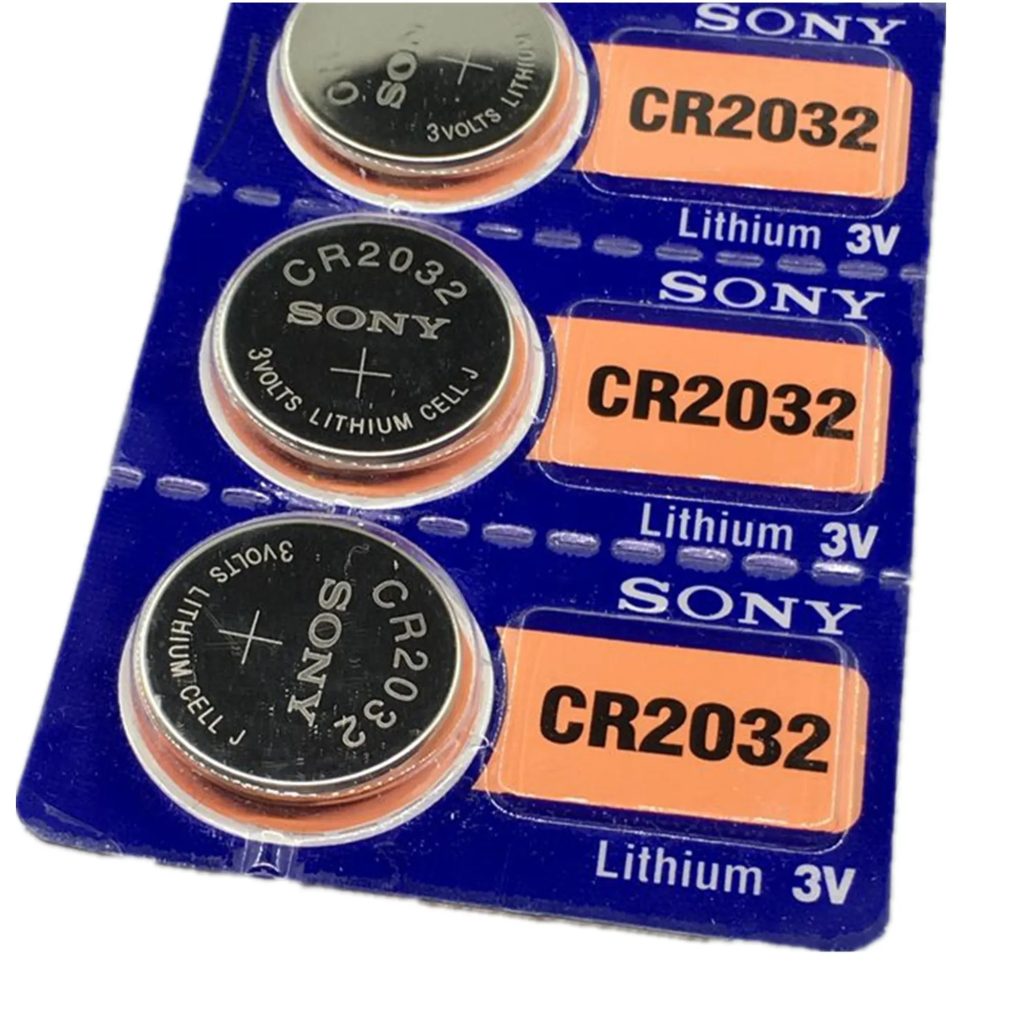
A “coin cell or coin cell” complying with the requirements of 16 CFR Part 1263 refers to a single cell battery with a diameter greater than the height of the battery. This rule excludes zinc-air button cells or button cells from the scope of 16 CFR Part 1263.
According to ANSI/UL 4200A-2023, the requirements for consumer products that contain or are designed to use coin cells or coin cells are as follows:
According to the law, if the toy product meets battery accessibility and labeling requirements, the rule does not apply to toy products designed, manufactured or sold for children under the age of 14. 16 CFR Part 1250, which references ASTM F963. Section 4.25 of the Toy Standard contains requirements for battery-powered toys.
Also in accordance with Reese’s Law 2, the U.S. Consumer Product Safety Commission issued a separate final rule (88 FR 65296) establishing warning label requirements for the packaging of button batteries or button batteries (including batteries packaged separately from consumer products), 16 U.S. Code of Federal Regulations §1263.4. This requirement will apply to products manufactured or imported after September 21, 2024. Additional requirements apply to button batteries or button battery packaging (see below).
Section 3 of the Reese Act requires “any button cell or button cell battery that has been sold, offered for sale, manufactured for sale, distributed in commerce, or imported into the United States, or is contained solely in a consumer product that has been sold, offered for sale, manufactured for sale, to be distributed in commerce, or imported into the United States” to use packaging that complies with requirements 16 U.S. Regulations §1700.15. This requirement will take effect after February 12, 2023.Therefore, any regulated product manufactured or imported after February 12, 2023 must meet this packaging requirement.These packaging requirements do not apply to button batteries or button batteries manufactured or imported on or before February 12, 2023.
On March 8, 2023, the committee voted to direct the Office of Compliance and Field Operations to exercise enforcement discretion over the packaging requirements in Section 3 for zinc-air button batteries or button batteries, a technology used to power hearing aids and other hearing aids. technology.According to the exercise of execution discretion, the current special packaging of zinc-air button batteries or button batteries will not be implemented until March 8, 2024.
For more information on requirements 16 U.S. Code of Federal Regulations §1700.15 and special packaging, visit our Anti-Toxic Packaging Act (PPPA) Business Guidance page.
In accordance with regulations, button cells or button cell packaging that comply with the ANSI C18.3M marking and packaging requirements are not subject to the special packaging requirements of Section 3 of the Reese Act.
Section 14(a) of the Consumer Product Safety Act (CPSA) requires consumer product manufacturers that are bound by regulations, standards or prohibitions enforced by the CPSC to demonstrate that these products meet the requirements of the standard by issuing a Children’s Product Certificate (CPC) or a General Certificate of Compliance (GCC). Product certificates subject to section 2 of the Reese Act must contain the citation “16 CFR § 1263.3-Consumer Products Containing Button Cells or Button Cells” or “16 CFR § 1263.4-Button Cells or Button Cell Packaging Label”, depending on the applicable requirements. Product certificates subject to Section 3 of the Reese Act must contain the citation “PL 117-171 § 3(a)-Coin Cells or Coin Cell Packaging.”
Please note that in accordance with Section 3 of Reese’s Law, testing for special packaging requirements for PPPA does not need to be performed by a third-party laboratory recognized by the CPSC. Therefore, button batteries or button batteries packaged individually but included in children’s products do not need to be tested by a third-party laboratory recognized by the CPSC. The CPC for such children’s products must still include a reference to Section 3 of the Reese Act (see the previous paragraph) and other applicable children’s product safety rules. The test-related part of the CPC can list multiple pieces of information as needed (for example, multiple test dates and locations).
 WeChat


 Submission Successful
 WeChat Official Account