-
Xuntong specializes in testing services for electrical accessories, consumer electronics, lighting, wireless, toys and other products.



 Service Hotline 18617145297
Massage appliances are exported to a wide range of markets, but safety, EMC and even wireless (Bluetooth-equipped) requirements differ by market, and businesses often re-version repeatedly to adapt. Ningbo Xuntong Standard has compiled the key points of multi-market access to help businesses cover the most markets with the fewest versions.
China requires CCC (GB 4706.10); the EU requires CE (EN 60335-2-32); the US requires UL 1647 (the dedicated massage-appliance standard); Japan requires PSE (J 60335-2-32, with diamond/circle distinctions); and Australia/New Zealand require RCM (AS/NZS 60335.2.32). The systems share the same origin, but clauses on moving parts and temperature rise differ markedly.
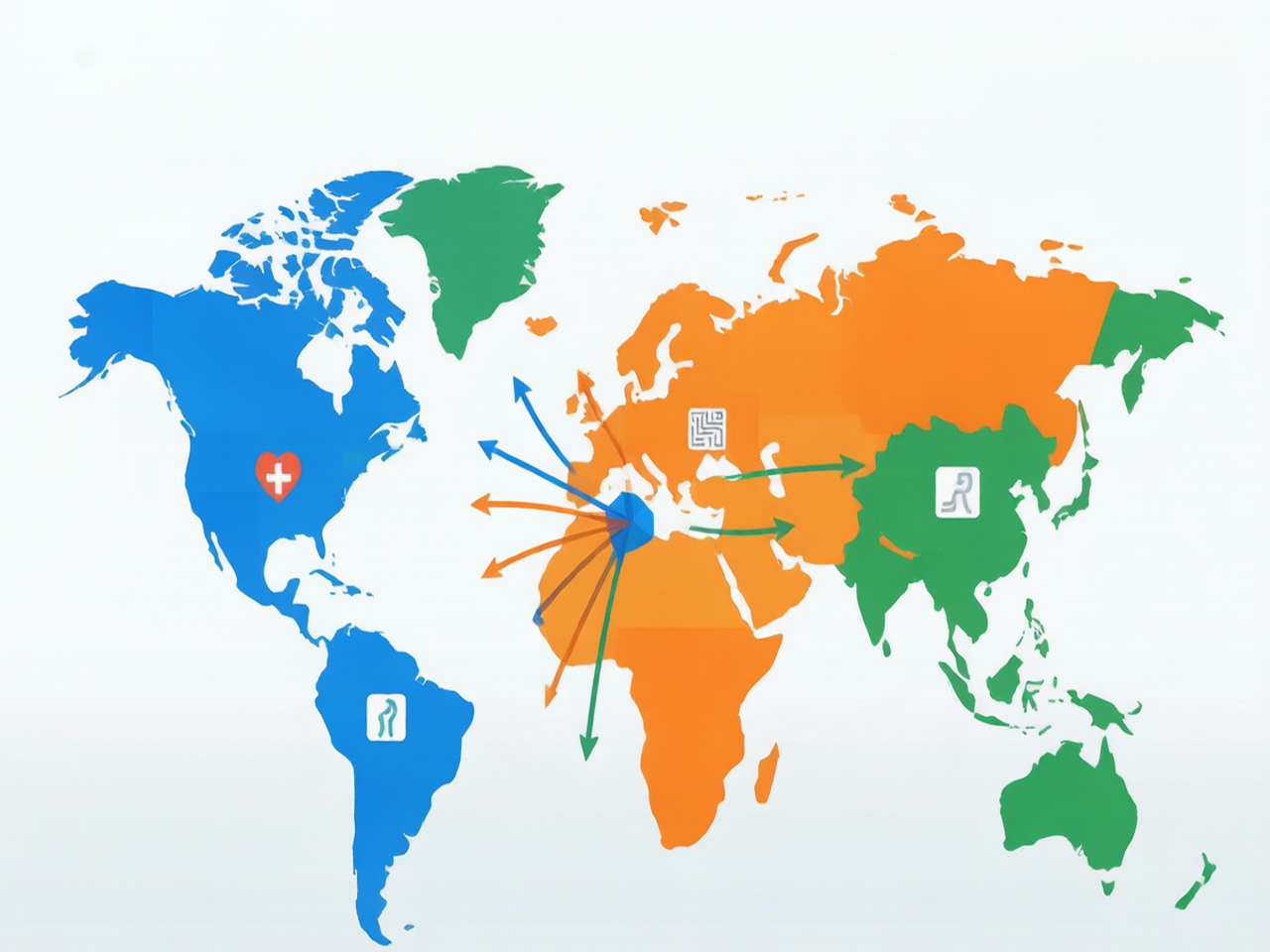
UL 1647 sets more detailed requirements for moving-part guarding, temperature rise and structural strength; models with wireless functions must also meet Bluetooth/RFC and EMC requirements. If a business plans a “global version”, Ningbo Xuntong Standard recommends adopting the strictest market’s requirements as the baseline at the early design stage.
Ningbo Xuntong Standard helps organise multi-market safety + EMC pre-testing and corrective action for massage appliances, covering UL 1647, EN 60335-2-32, AS/NZS 60335.2.32 and others, and assists with CCC / CE / PSE / RCM certification. For related regulations and standards, see the Regulations & Standards section; for appliance testing capability, see the Ningbo Xuntong Standard official website; visit the appliance safety standards resources. Putting testing up front can significantly reduce multi-market expansion costs.

Ningbo Xuntong Standard can, based on the target-market combination, deliver a “one version, multiple certificates” pre-testing and corrective-action plan covering safety, EMC and structure in full, making global launch of massage appliances more efficient.

 WeChat


 Submission Successful
 WeChat Official Account