-
Xuntong specializes in testing services for electrical accessories, consumer electronics, lighting, wireless, toys and other products.



 Service Hotline 18617145297
Massage appliances (massage cushions, massage chairs, massage guns) have complex structures and many moving parts, making them a high-frequency non-conformity category. Ningbo Xuntong Standard has catalogued the high-frequency problems from many tests and gives practical structural corrective-action advice to help businesses minimise risk before mass production.
Leakage current, electric strength and earthing are basic mandatory checks; massage appliances with heating functions must also meet temperature-rise requirements. Ningbo Xuntong Standard advises manufacturers to verify insulation class and earthing continuity at the first-article circuit review to avoid major late changes.
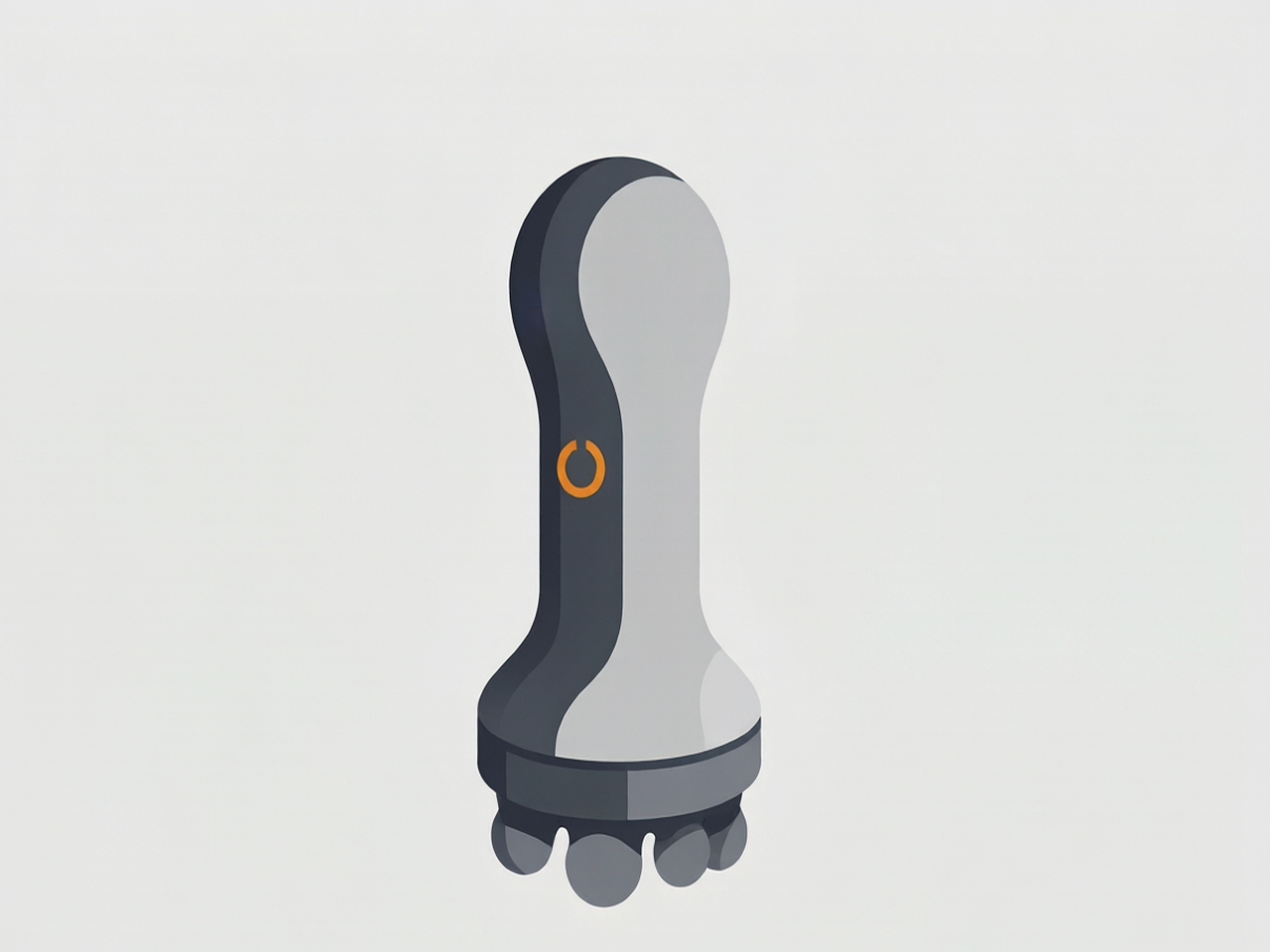
Moving-part guarding, crush points, noise and vibration are the focus; massage-gun types also need attention to battery safety and structural strength. The gap and locking method of the guard directly determine whether the product passes the mechanical-hazard test.
Enclosure strength, button life and flexible-cord sheath flexing frequently cause problems. Ningbo Xuntong Standard recommends putting the structural review up front, using pre-test data to drive tooling changes rather than judging by experience.
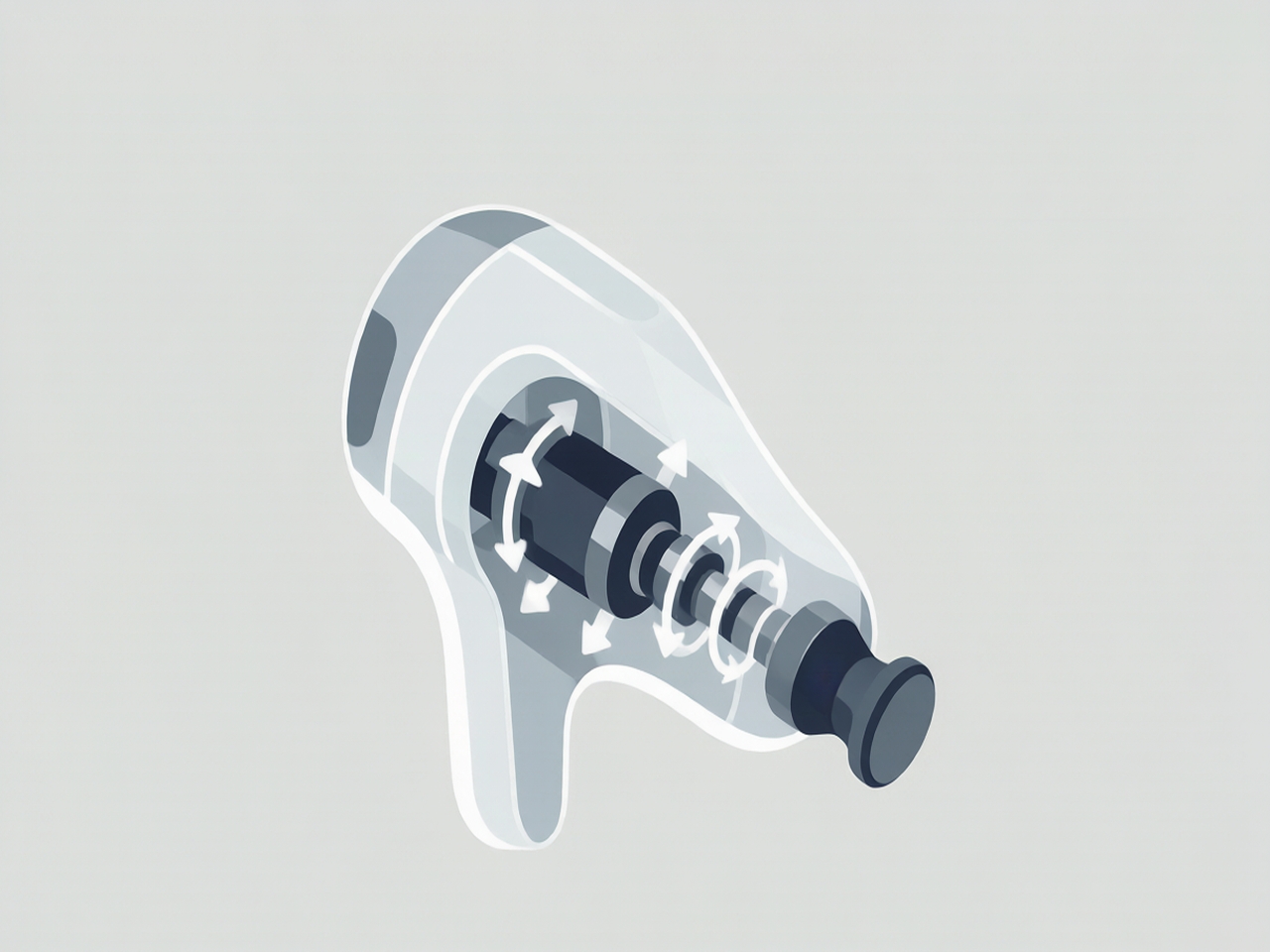
Corrections usually start from three aspects: optimise the moving-part guard, strengthen the enclosure, and add redundant thermostats for heated models. Ningbo Xuntong Standard provides pre-testing and corrective-action guidance for massage appliances, covering electrical, mechanical and structural items in full. For related regulations and standards, see the Regulations & Standards section; for appliance testing capability, see the Ningbo Xuntong Standard official website; visit the appliance safety standards resources. Putting testing up front can significantly reduce tooling-change costs.

 WeChat


 Submission Successful
 WeChat Official Account