-
Xuntong specializes in testing services for electrical accessories, consumer electronics, lighting, wireless, toys and other products.



 Service Hotline 18617145297
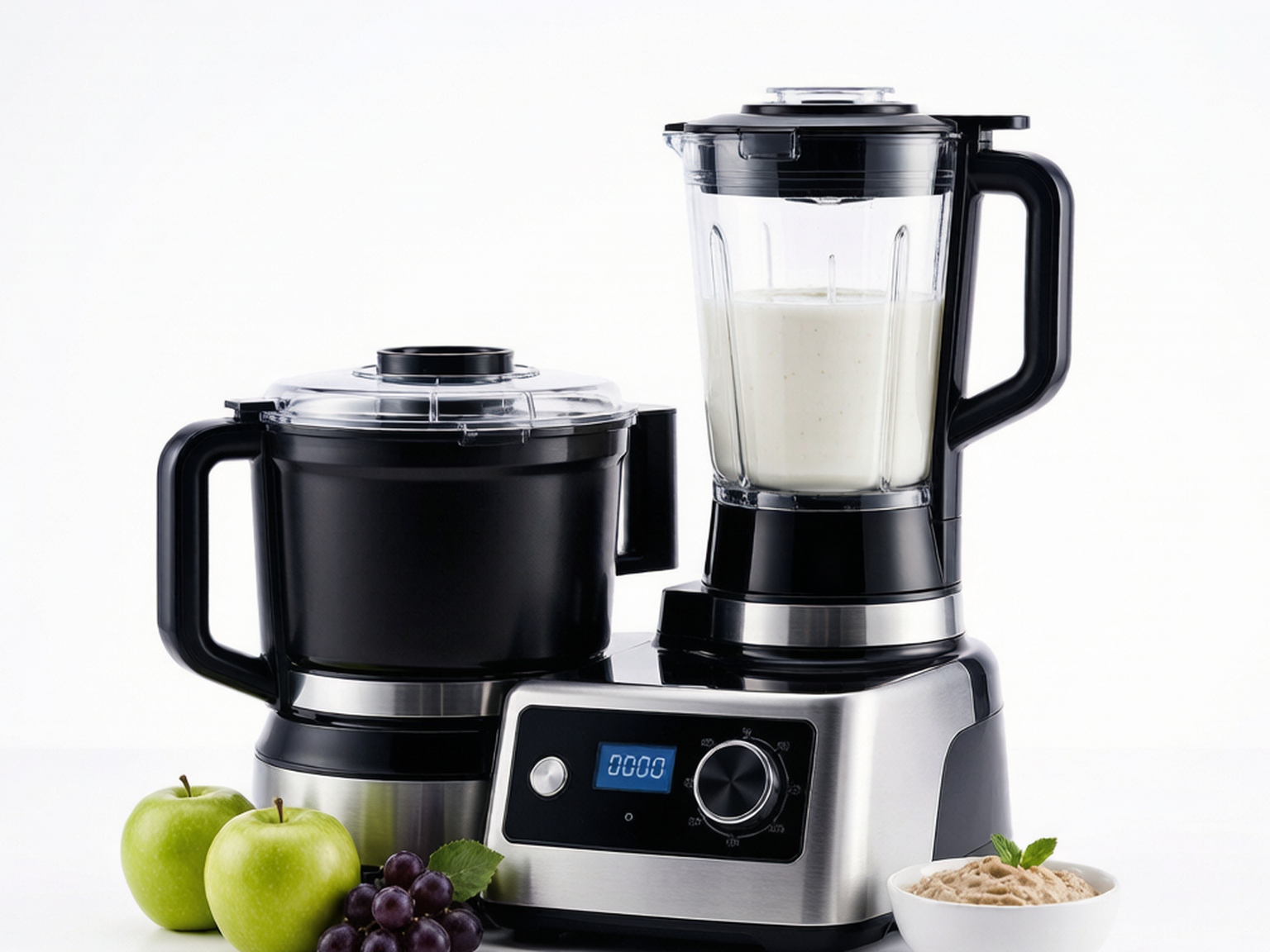
Kitchen machines (blenders, food processors, high-speed blenders) are high-frequency small household appliances, yet because of their high-speed rotating blade assemblies and high-power motors they are also a category with a relatively high accident rate in safety spot checks. In many kitchen-machine tests, Ningbo Xuntong Standard has found that non-conformities cluster heavily in three dimensions: blade guarding, motor temperature rise and structural strength, and that most can be avoided at the prototyping stage. This article reviews the high-frequency failure modes and offers rectification advice.
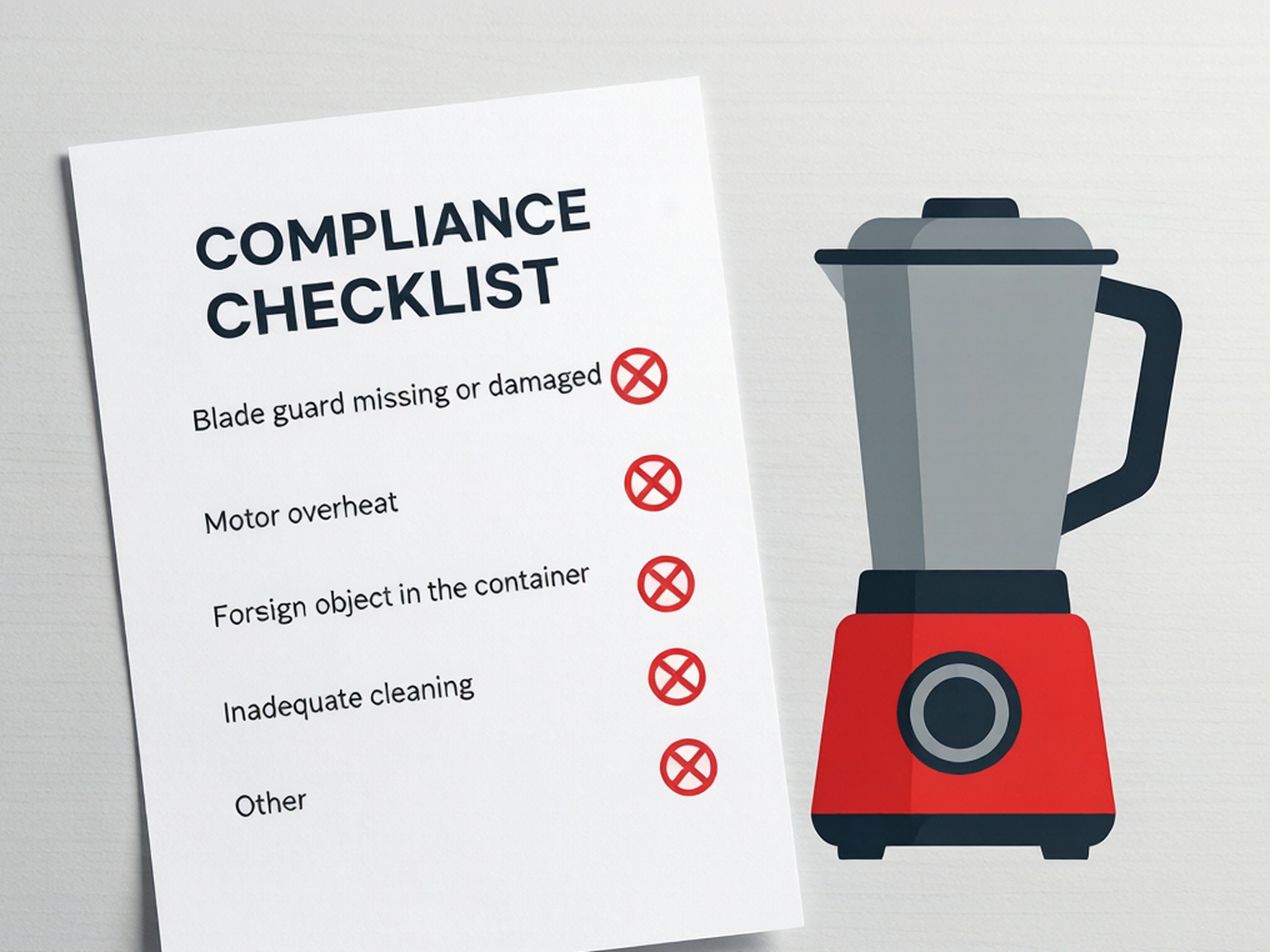
The standards (IEC 60335-2-14 / GB 4706.30) impose strict rules on accessibility: during normal operation and with the lid open, a finger or test probe must not touch the rotating blade. The most common non-conformity is failed lid interlock — the motor keeps running after the lid is opened, or the probe can bypass the guard and reach the blade assembly. The rectification direction is a reliable microswitch interlock plus structural reinforcement of the guard, ensuring the blade cannot be reached from any angle, and the interlock behaviour should be verified across the full range of positions.
Under full-load and locked-rotor conditions, the temperature rise of the motor winding, enclosure and accessible handle surfaces must stay within the limits. Locked rotor (blade jammed) is the most severe abnormal test; without a thermal protector, or with one that acts too slowly, the motor will overheat and may even catch fire. Ningbo Xuntong Standard advises manufacturers to integrate a resettable overheat protection into the motor drive circuit and verify the trip temperature consistently, so as to minimise the risk of a batch that “should have cut off but did not”.
Structural parts such as the cup latch, base suction cup and cable entry boot must not loosen or fracture under repeated assembly and vibration. Some low-cost models use brittle or thin-wall plastic to save cost, and the latch fatigues during prolonged use, causing the cup to fly off at high speed. Rectification should apply accelerated life and drop testing, and change critical load-bearing parts to tougher materials, favouring a conservative margin over a minimal one.

High-power motors bring greater leakage current and greater creepage-distance pressure; PCB layout, motor terminals and capacitor placement must all satisfy the creepage requirements. Smart models with touch or app control must also satisfy EMC and wireless directives. We advise arranging pre-compliance testing as soon as the first circuit is frozen, using data to drive the board revision, and characterising the conducted behaviour thoroughly.
Ningbo Xuntong Standard can provide kitchen-machine pre-compliance testing, non-conformance diagnosis and rectification guidance under IEC 60335-2-14 / GB 4706.30, covering blade guarding, temperature rise, structure and electrical items in full, and can assist with CCC, CE, UKCA and UL certification. For more standards interpretation, see the Regulations & Standards column; for our appliance-testing capability, see the Appliance Testing column; or visit the Ningbo Xuntong Standard website for our quotation guide. Moving testing to the prototyping stage is the most effective way to lower the cost of tooling changes.
 WeChat


 Submission Successful
 WeChat Official Account