-
Xuntong specializes in testing services for electrical accessories, consumer electronics, lighting, wireless, toys and other products.



 Service Hotline 18617145297
Kitchen machinery refers to products with rotating knives or mixing parts such as mixers, cooking machines, food processors, and juicers. It is a popular category for maternal, infant and kitchen appliances exports. Its safety testing basisClassification of regulations and standardsThe core of IEC 60335-2-14 is how rotating sharp parts do not hurt people. This paper is carried out according to the scope of application, core tests, and qualification criteria for reference for research and development.
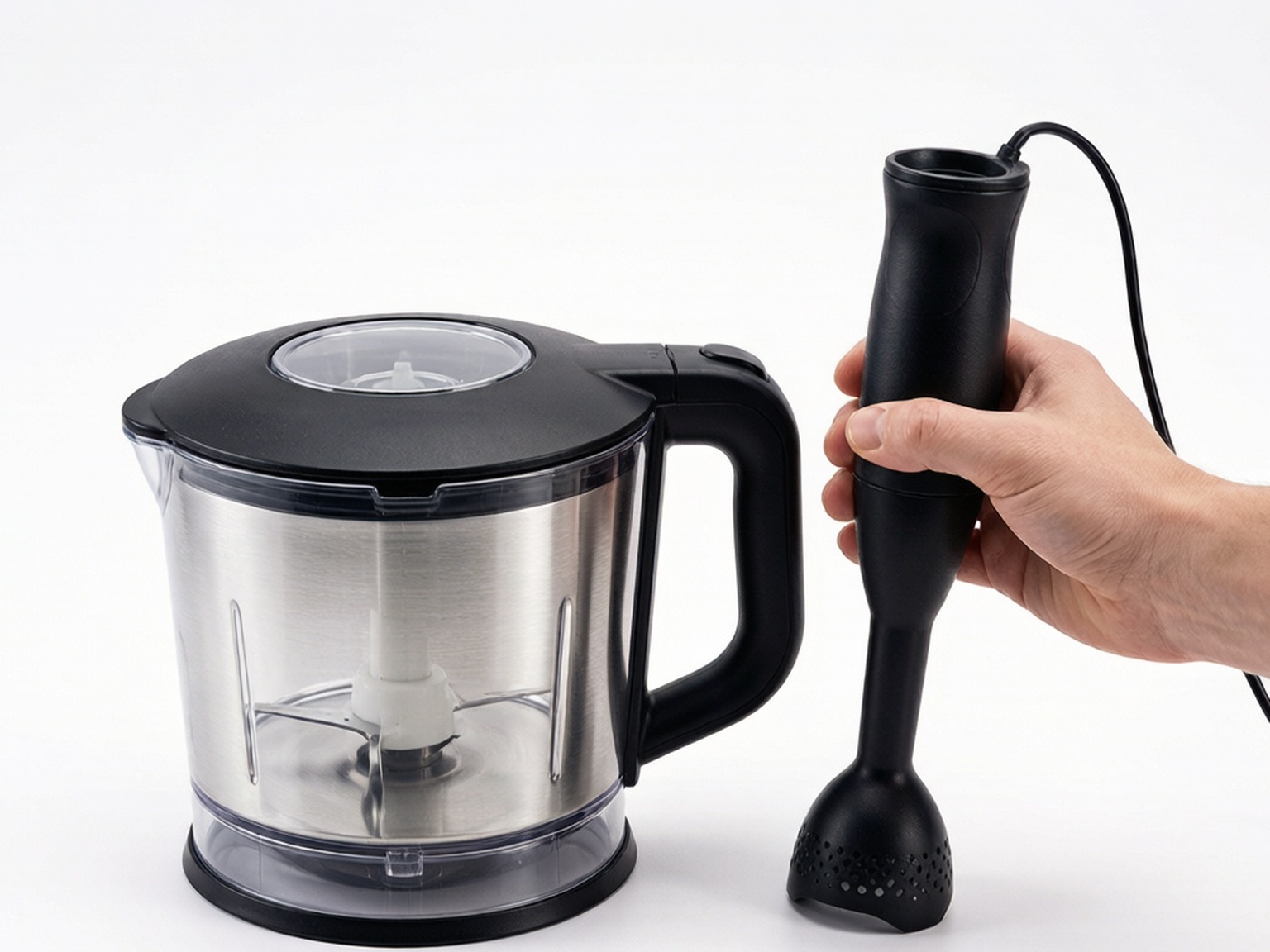
IEC 60335-2-14 covers domestic kitchen machinery with a rated voltage not exceeding 250V, with a focus on equipment that processes food through moving parts such as knives, mixers, and meat grinders. Hand-held mixing rods, wall breakers, and noodle machines are all included; but equipment that only heats but not cuts (such as rice cookers) belongs to other part-2. Only by confirming the product boundaries can test misplacement be avoided. In particular, cutting + thermal composite models such as wall breakers must be specially confirmed and classified.
The special test focuses on the protection of moving parts: first, tool protection, the blade must not be exposed or started when the container is not properly installed; second, interlocking, and the power will be cut off when the cover is opened; third, blocking the rotation, and the motor must not catch fire or be damaged when the ingredients are stuck; Fourth, the strength of the cup body, which will not break after falling after filling with water and injuring people. In addition, general items such as temperature rise and leakage current remain unchanged. Ningbo Xuntong standard pre-test will simulate misuse scenarios such as opening the lid during the start-up operation of half-filled cups to verify that the interlocking is reliable. Such scenarios are the high incidence of real injuries to users.
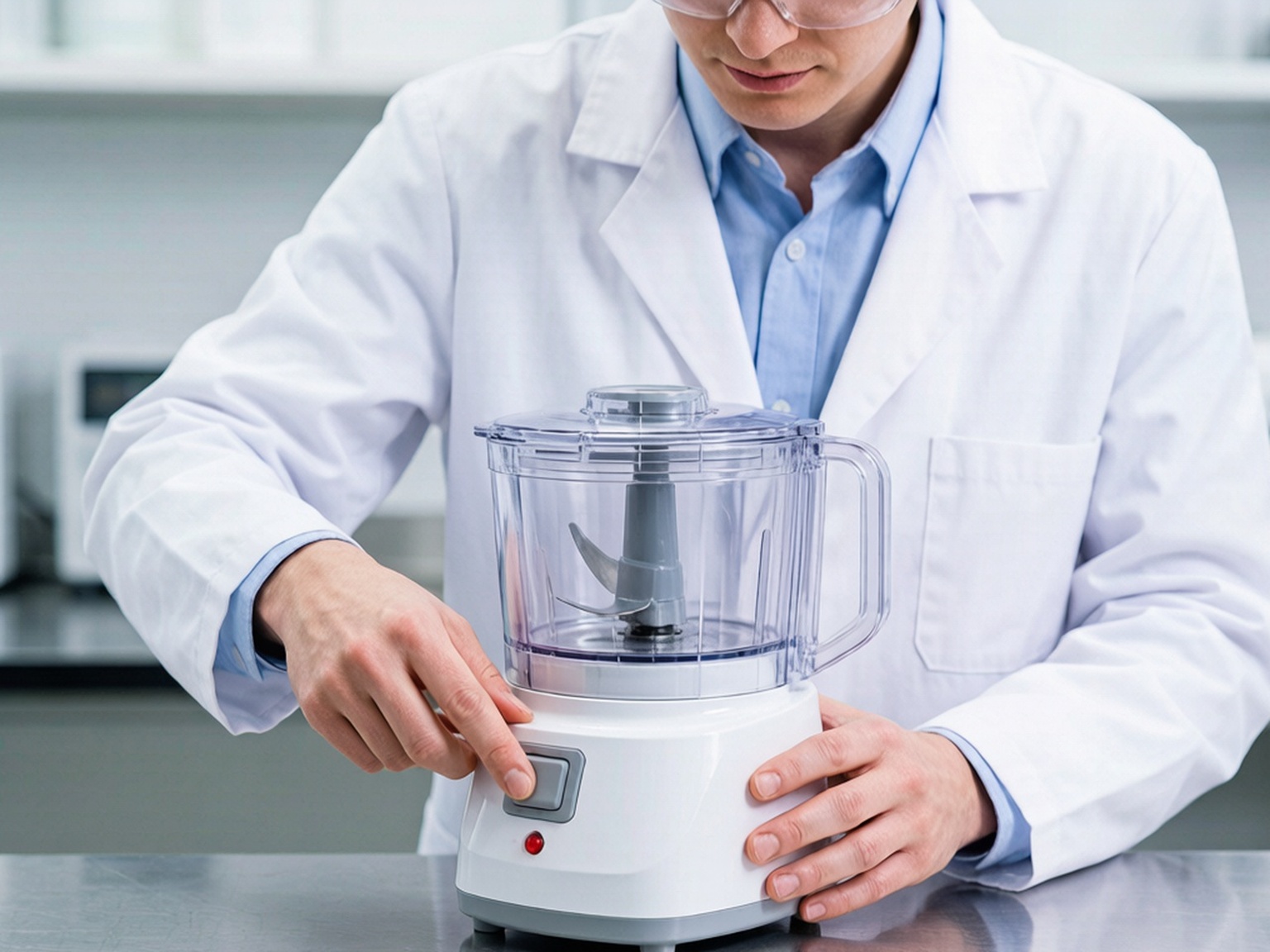
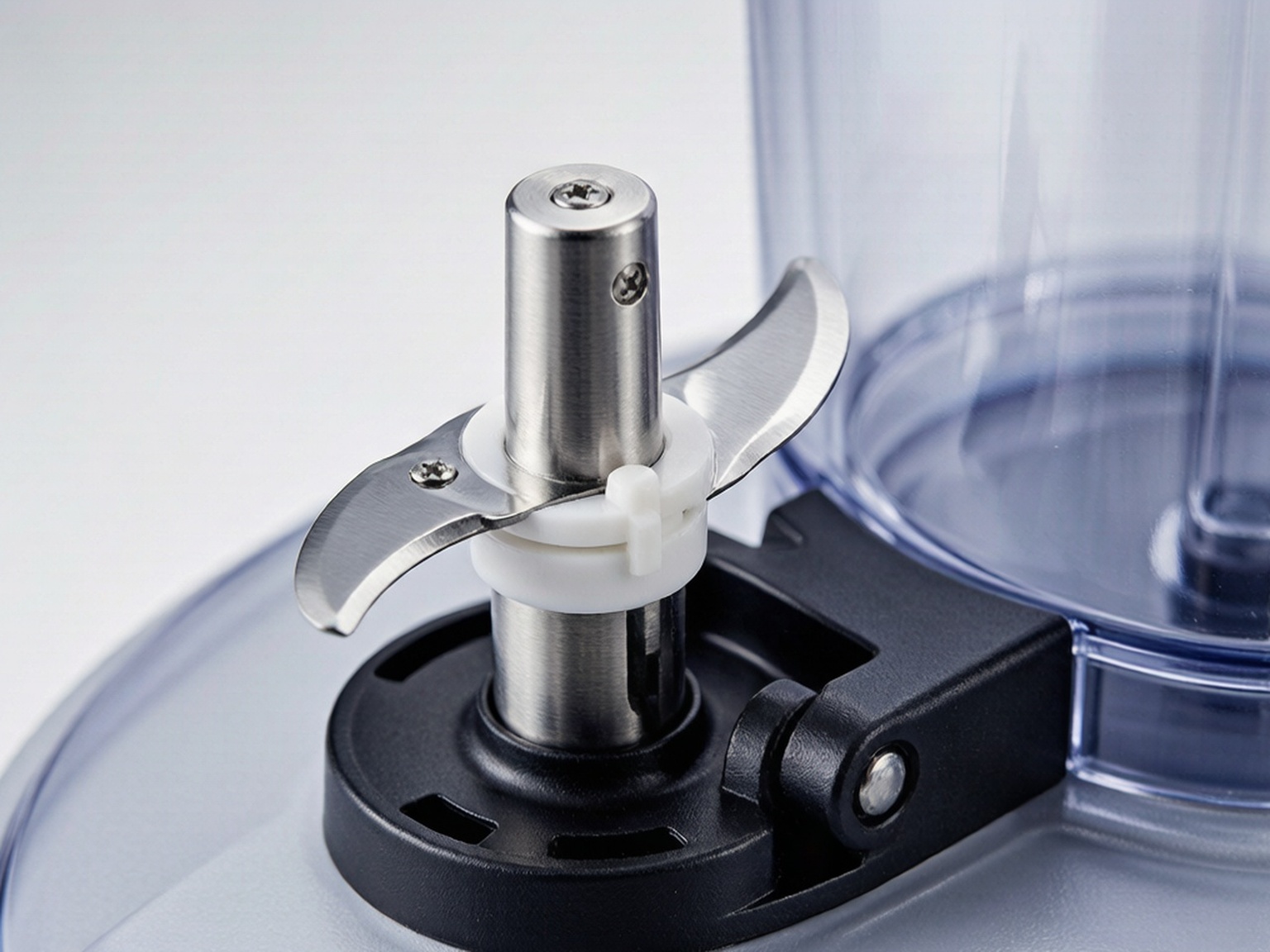
In terms of criteria, the protective cover and interlock must be double insured, and magnetic force or gravity alone is not reliable; the winding temperature is compliant when the rotor is blocked and can be used afterwards; there is no sharp debris when the cup falls. Structurally, it is recommended to use physical latches (Ningbo Xuntong standards also give priority to verifying the reliability of physical latches in pre-testing) rather than electronic induction, and add a seal ring at the cutter shaft to prevent liquid from penetrating into the motor. Before finalizing the design, you can compareHome appliance testing servicesList self-inspection, or visitNingbo Xuntong Standard Official WebsiteGet the latest version of 2-14 interpretation and prototype preparation points, and do the protection right once.
 WeChat


 Submission Successful
 WeChat Official Account