-
Xuntong specializes in testing services for electrical accessories, consumer electronics, lighting, wireless, toys and other products.


 Service Hotline 18617145297
Hairdryers, curling irons, straighteners and similar hair care appliances are high-power handheld heating products, and they are also a high-risk category in safety spot-checks across many markets. Ningbo Xuntong Standard has found through years of export testing that failed overheat protection and defective electric-shock prevention structures are the two leading causes of recalls. A systematic reading of IEC 60335-2-9 (with the national equivalent GB 4706.15) helps manufacturers recognise and lock down risks before the tooling is finalised.
IEC 60335-2-9 specifies the safety requirements for household and similar electrical hair care appliances, covering hairdryers, curling irons, straighteners and heated combs with teeth. The Chinese equivalent is GB 4706.15, the EU version is EN 60335-2-9 and the UK version is BS EN 60335-2-9. The three systems share the same origin, but differences remain in plug forms, label languages and certain limits, so multi-market access must be compared clause by clause.
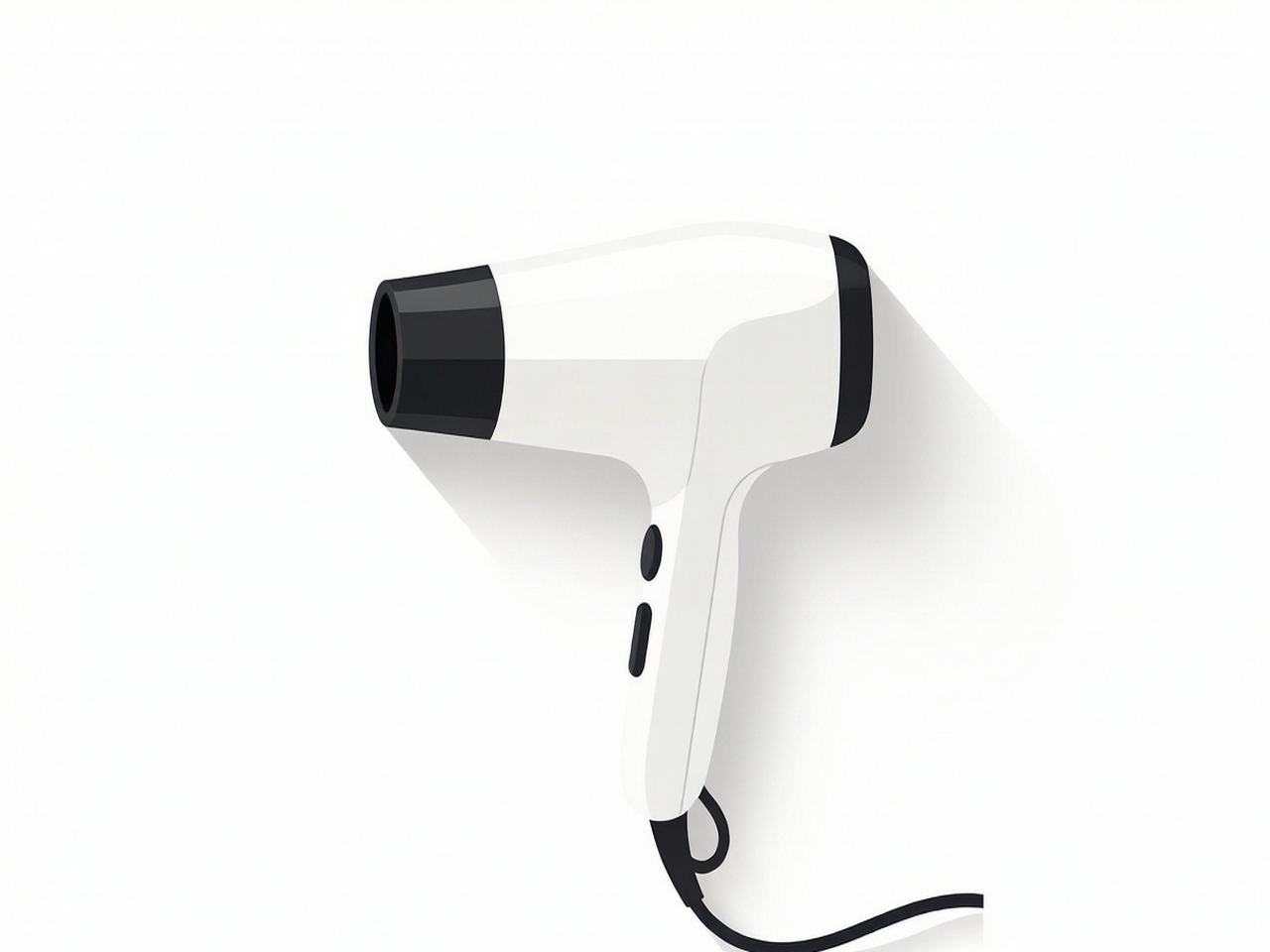
During normal operation, accessible parts such as the handle and the enclosure must be reliably earthed or use double insulation, and leakage current and electric strength must meet the general standard. Air inlets and outlets must be arranged to prevent accidental contact with live or high-temperature parts. Ningbo Xuntong Standard advises manufacturers to focus the structural review on the cut-off capacity of the thermostat, which is the last line of defence against electric shock and fire.
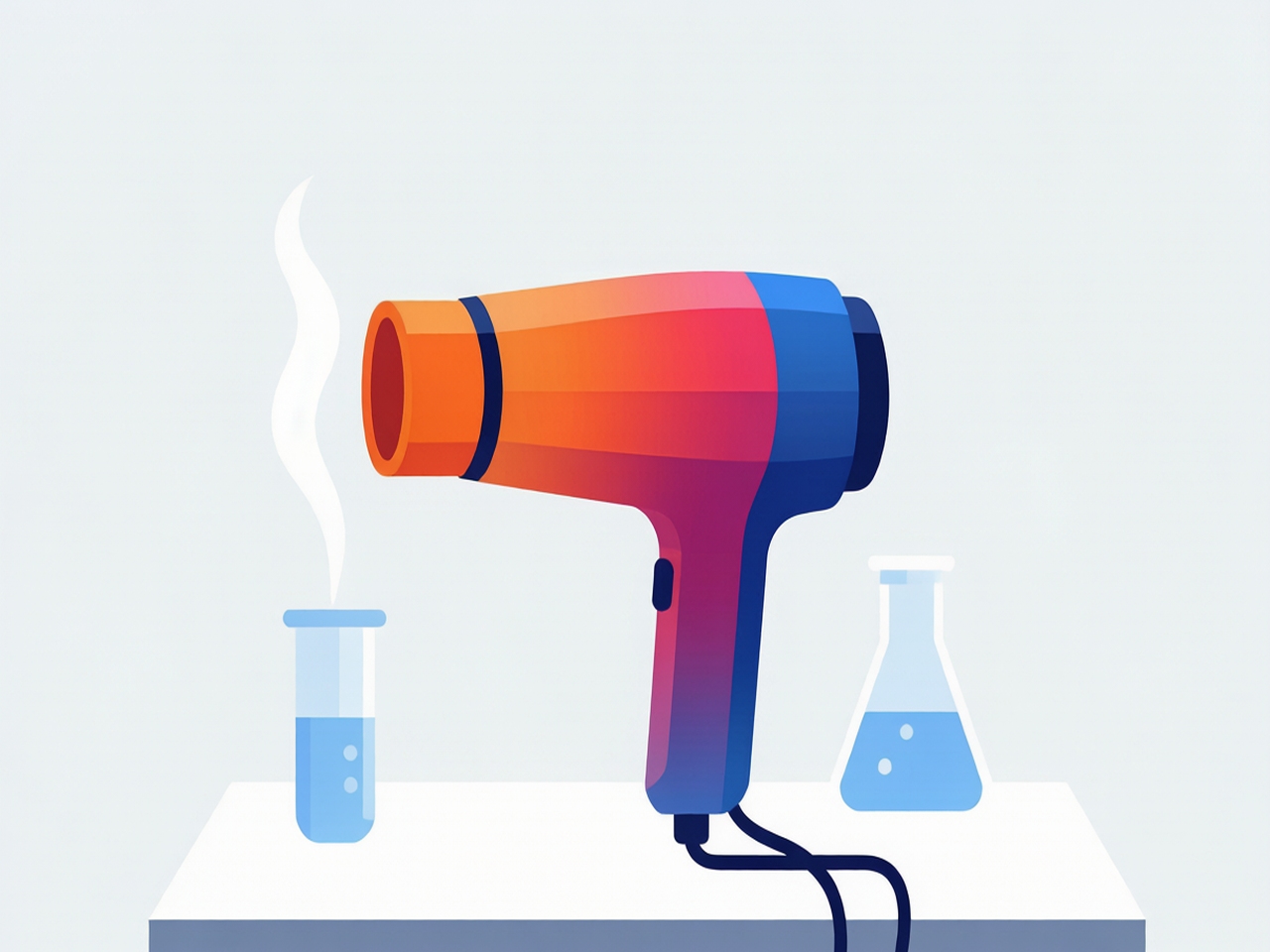
The temperature-rise test is the most critical item for hairdryers: running continuously at rated power, the temperature of accessible surfaces on the handle and enclosure must not exceed the standard limits. Abnormal tests simulate thermostat failure to verify whether the thermal fuse can cut the circuit before a dangerous temperature is reached. Some manufacturers raise the set temperature to pursue “fast drying”, only to fail the abnormal test when the outlet overheats, so a balance must be struck between user experience and safety.
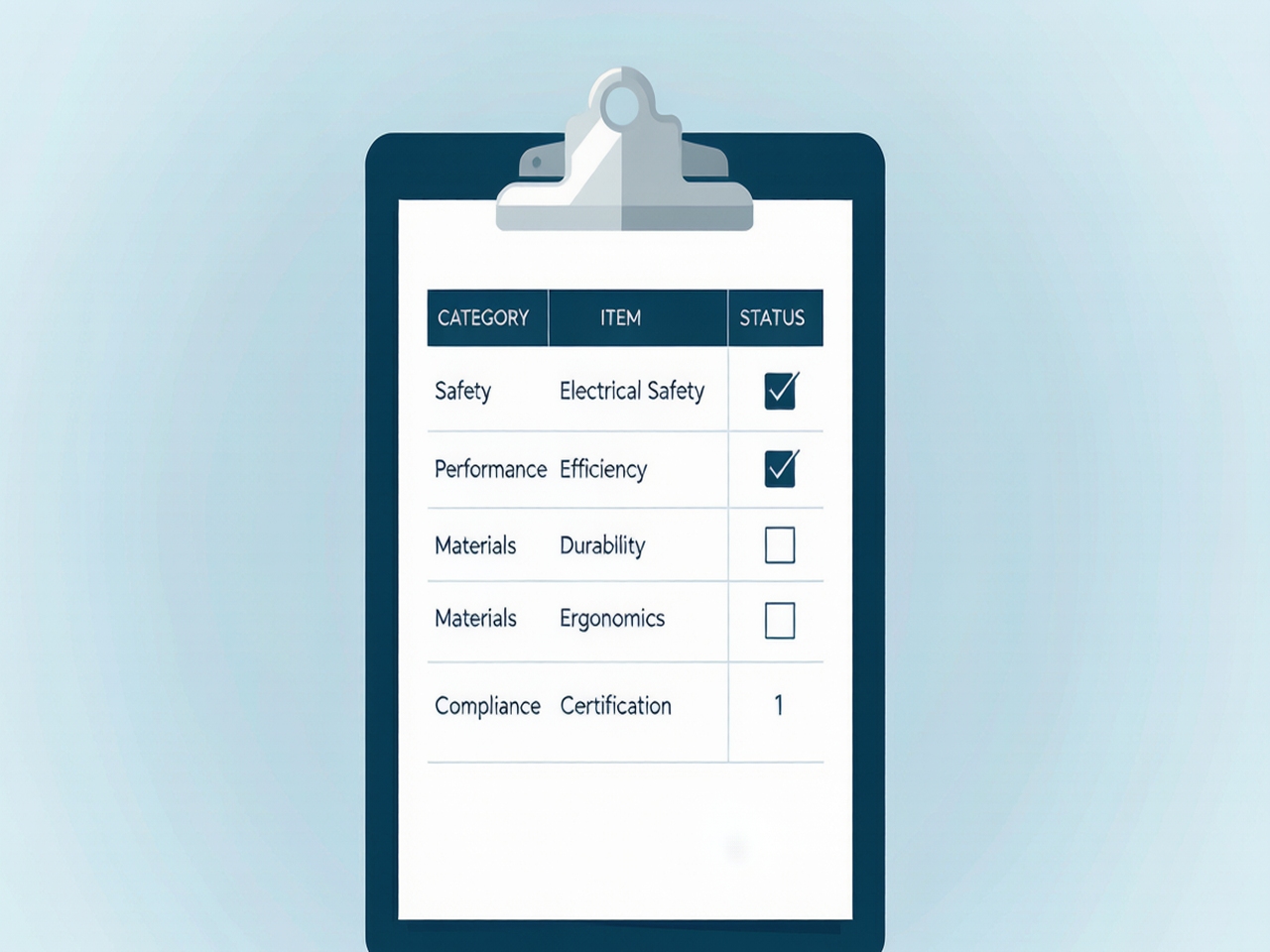
Beyond electrical safety, mechanical items such as drop resistance, stability, handle grip strength and cable-sheath flexing are equally important. Details like the deploy lock of a folding handle and the anti-scald stand for upright use are common failure points for lesser-known brands. Ningbo Xuntong Standard recommends organising a round of pre-testing once the first-article structural parts are sampled, using data to drive tooling changes rather than relying on experience.
Ningbo Xuntong Standard can provide pre-testing, non-conformity diagnosis and corrective-action guidance for hair care appliances under IEC 60335-2-9 / GB 4706.15, covering electric-shock prevention, temperature rise and structure in full, and can assist with CCC, CE, UKCA and other multi-market certifications. For related regulations and standards, see the Regulations & Standards section; for our appliance testing capability, see the Ningbo Xuntong Standard official website; you may also explore our appliance safety standards resources. Putting testing up front is the most effective way to minimise tooling-change costs.
 WeChat


 Submission Successful
 WeChat Official Account