-
Xuntong specializes in testing services for electrical accessories, consumer electronics, lighting, wireless, toys and other products.



 Service Hotline 18617145297
As my country’s first children’s luggage standard, GB/T 41002 – 2022 “General Technical Specifications for Children’s Luggage” not only fills the standard gap in the domestic children’s luggage field, but also fully considers the development needs of the industry and the growth and development characteristics of children. From the perspective of consumer safety and use, it stipulates the requirements of various technical indicators of the product, thereby guiding my country’s children’s luggage industry to continue to develop and gradually move towards standardization. While improving production levels and product quality, we should better protect children’s legitimate rights and interests and protect children’s healthy growth.
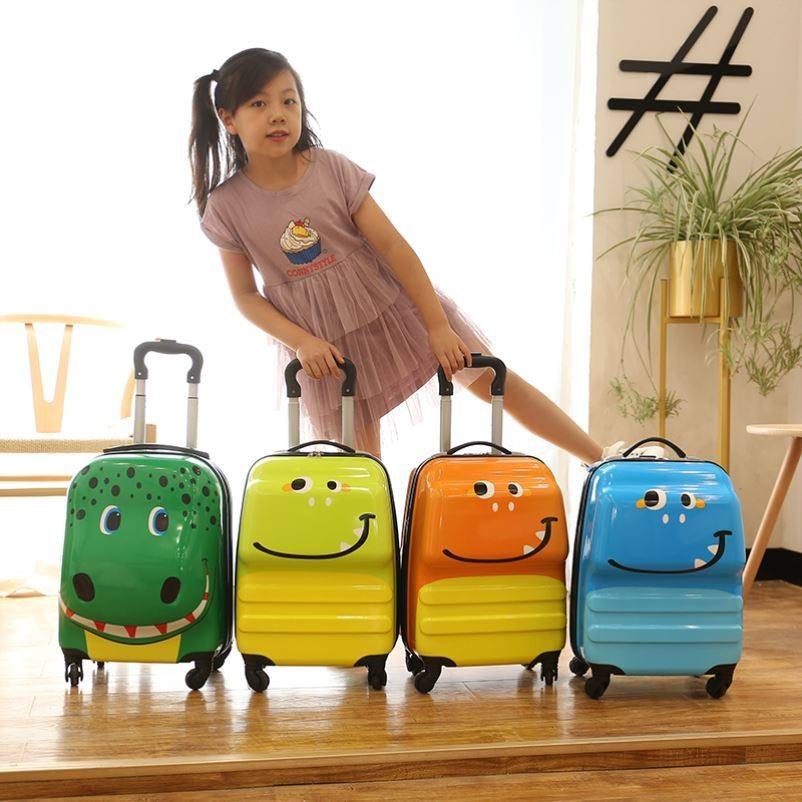
Standard scope of application
This standard applies to luggage products provided to children under the age of 14.
product classification
They are divided into the following three categories according to the age of the user:
– Category I: luggage for infants under 36 months old;
– Category II: luggage for children over 36 months (inclusive) to under 6 years of age;
– Category III: luggage for children over 6 years old (inclusive) to under 14 years old.
technical requirements
1. Pattern or LOGO: The pattern or LOGO design on the luggage should be conducive to guiding children to establish correct values and outlook on life and create a good educational atmosphere.
2. Ergonomics (backpack): The design of children’s backpack should consider user characteristics and usage situations to achieve safe, healthy, efficient and comfortable usage goals. Design principles include: human body geometric fitness, mechanical load fitness, impact on body balance, and ease of use.
The technical requirements include five parts, which are:
(1) General principles, including design pattern or logo requirements, ergonomics requirements
(2) Requirements for materials and accessories
(3) Chemical requirements, including:
Leather, fur and recycled leather materials shall comply with the provisions of GB 20400: Class I luggage products shall comply with Class A requirements; Class II and Class III boxes and bags products shall comply with Class B requirements
Polyvinyl chloride artificial leather materials shall comply with the provisions of GB 21550
For the first category of products, the formaldehyde content, prohibited azo colorants and heavy metal content in textile materials should comply with the Class A requirements of GB 31701. For Class 2 and Class 3 products, the formaldehyde content and prohibited azo colorants in textile materials shall comply with the Class B requirements of GB 18401.
Short-chain chlorinated paraffin (C10~C13, CAS number is 85535-84-8) The content of boxes and bags should be less than 0.15%
The phthalate content of boxes and bags should meet the following requirements:
Category I: DEHP+DBP+BBP+DIBP 0.1%, DINP+DIDP+DNOP 0.1%
Class 2 and Class 3: DEHP+DBP+BBP+DIBP 0.1%
(4) Appearance quality requirements
(5) Requirements for physical and mechanical properties, including color fastness (Color fastness to saliva, alkaline sweat stains, rubbing), small parts, pompoms, round holes in rigid materials, filling materials, accessible gaps in moving sections, pull cords, dangerous sharp edges or sharp points, metal wires or rods, fatigue resistance of tie rods, travel of boxes and bags, shaking impact, hard case surface loading performance, case lock durability, fastener durability, zipper durability, sewing strength, plastic buckle durability, hardware accessories Corrosion resistance, reflective performance.
 WeChat


 Submission Successful
 WeChat Official Account