-
Xuntong specializes in testing services for electrical accessories, consumer electronics, lighting, wireless, toys and other products.



 Service Hotline 18617145297
Electric kettles, coffee makers and electric hot-water bottles are among the largest-volume export appliance categories. Internally they endure high-temperature steam and liquid corrosion for long periods, placing higher demands on electrical safety and structural sealing. Ningbo Xuntong Standard has found in batch testing that non-compliance in liquid-heating appliances concentrates on dry-boil protection, withstand voltage and earthing. This article systematically reviews the key points of their safety standard.
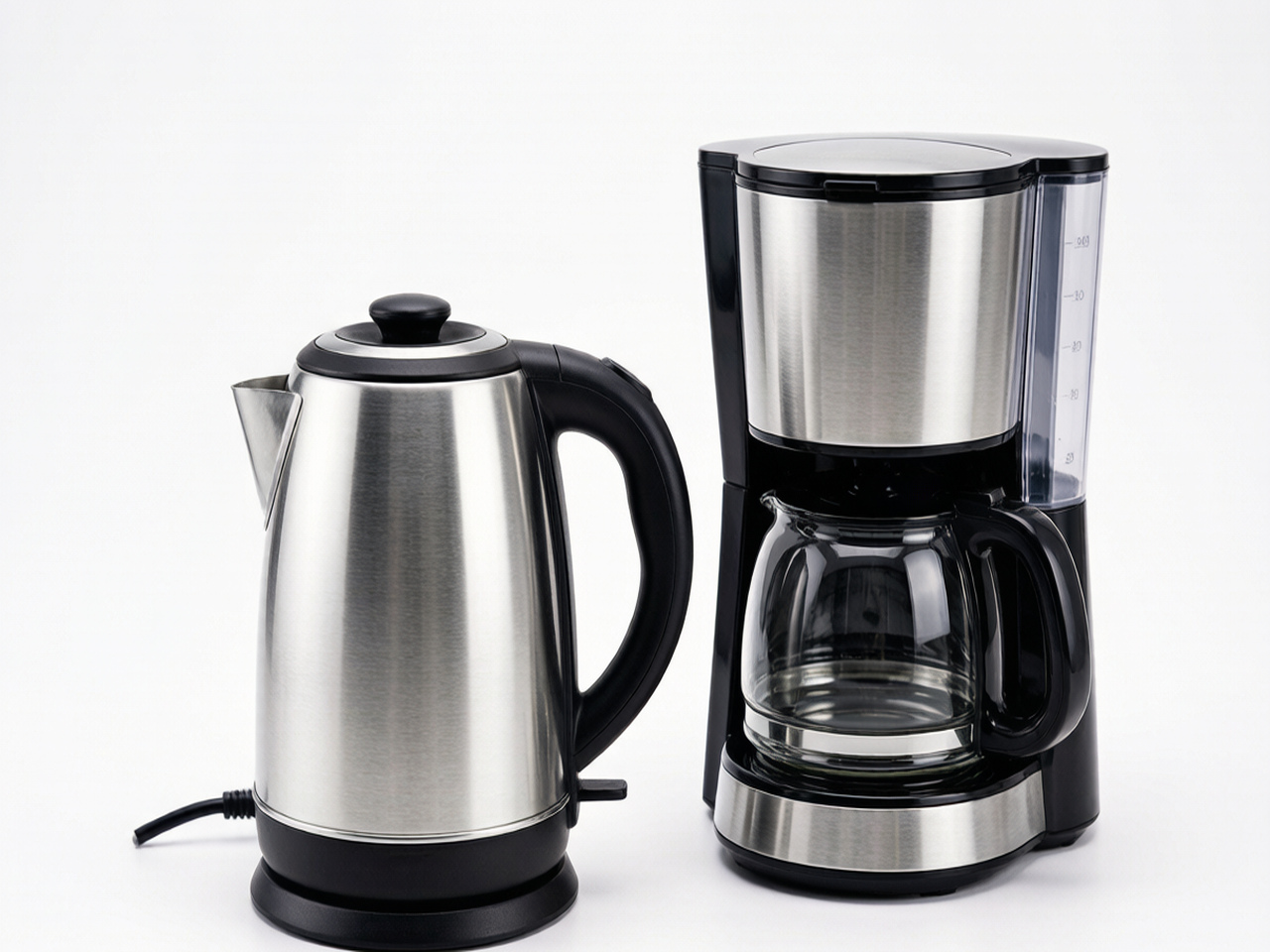
IEC 60335-2-15 applies to appliances for heating liquids, typically electric kettles, coffee makers and tea brewers; the Chinese equivalent is GB 4706.19. In addition to this part, the full requirements of the general standard IEC 60335-1 (GB 4706.1) apply. Ningbo Xuntong Standard notes that coffee makers with pressurised functions may involve additional sealing and pressure-relief assessments, so the product boundary should be clarified before commissioning.
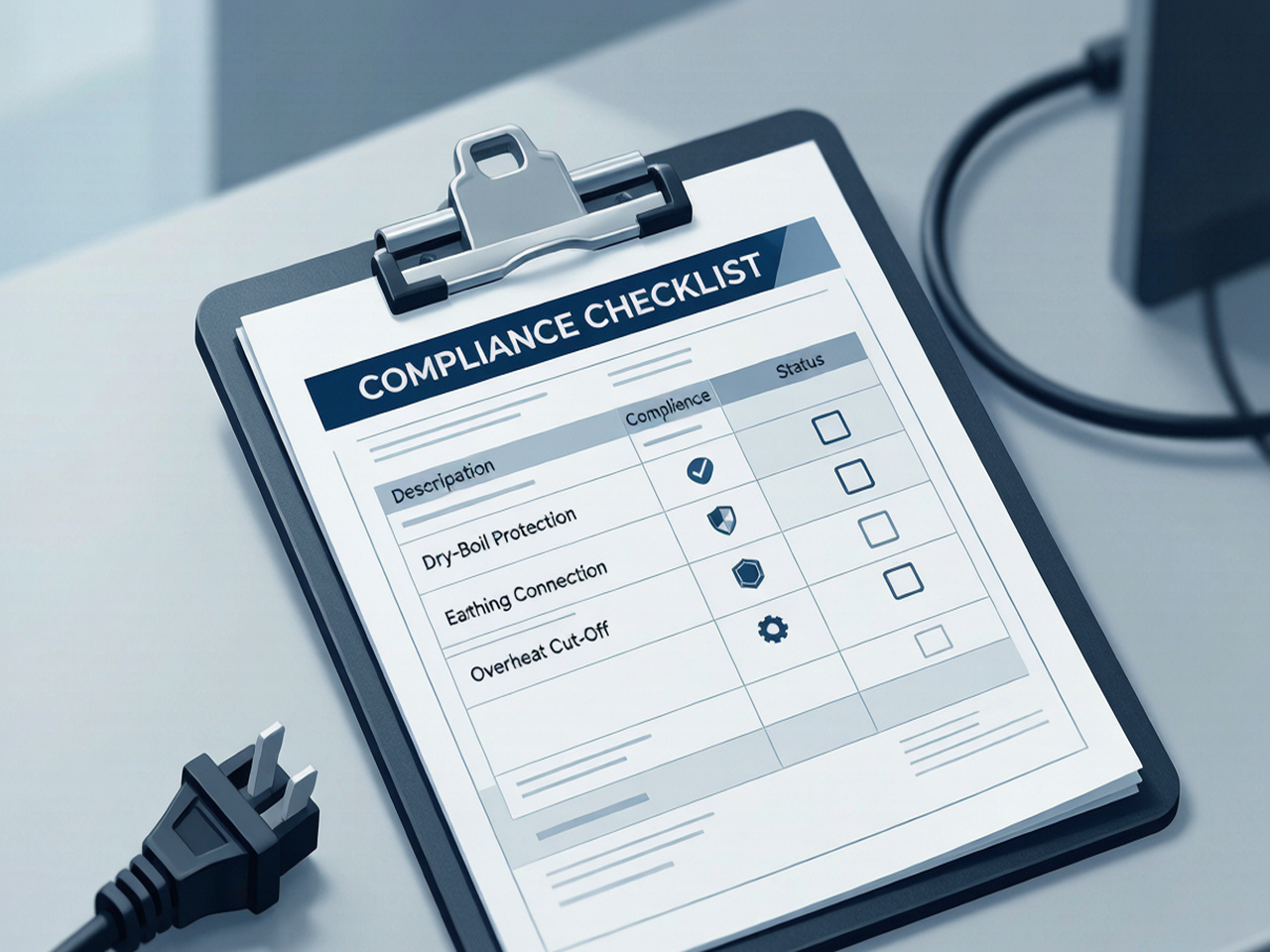
The first is dry-boil protection: under no-water or blocked-steam-outlet conditions, the appliance must not catch fire or release combustible gas, and the thermostat and limiter must act reliably. The second is electric strength and earthing: creepage distance, clearance and earthing continuity must remain compliant in damp environments. The third is structural sealing: steam channels and filling ports must not allow live parts to contact water, and the base coupling needs an anti-spill design.
The acceptance criteria can be summarised as: after the dry-boil test the enclosure does not burn or release combustible gas; the damp electric-strength test shows no breakdown; all accessible metal is reliably earthed with compliant resistance; and there is no hazardous live part after the spillage test. Ningbo Xuntong Standard advises against cutting cost on the thermostat — the reliability of the bimetallic limiter directly decides whether the whole unit passes.
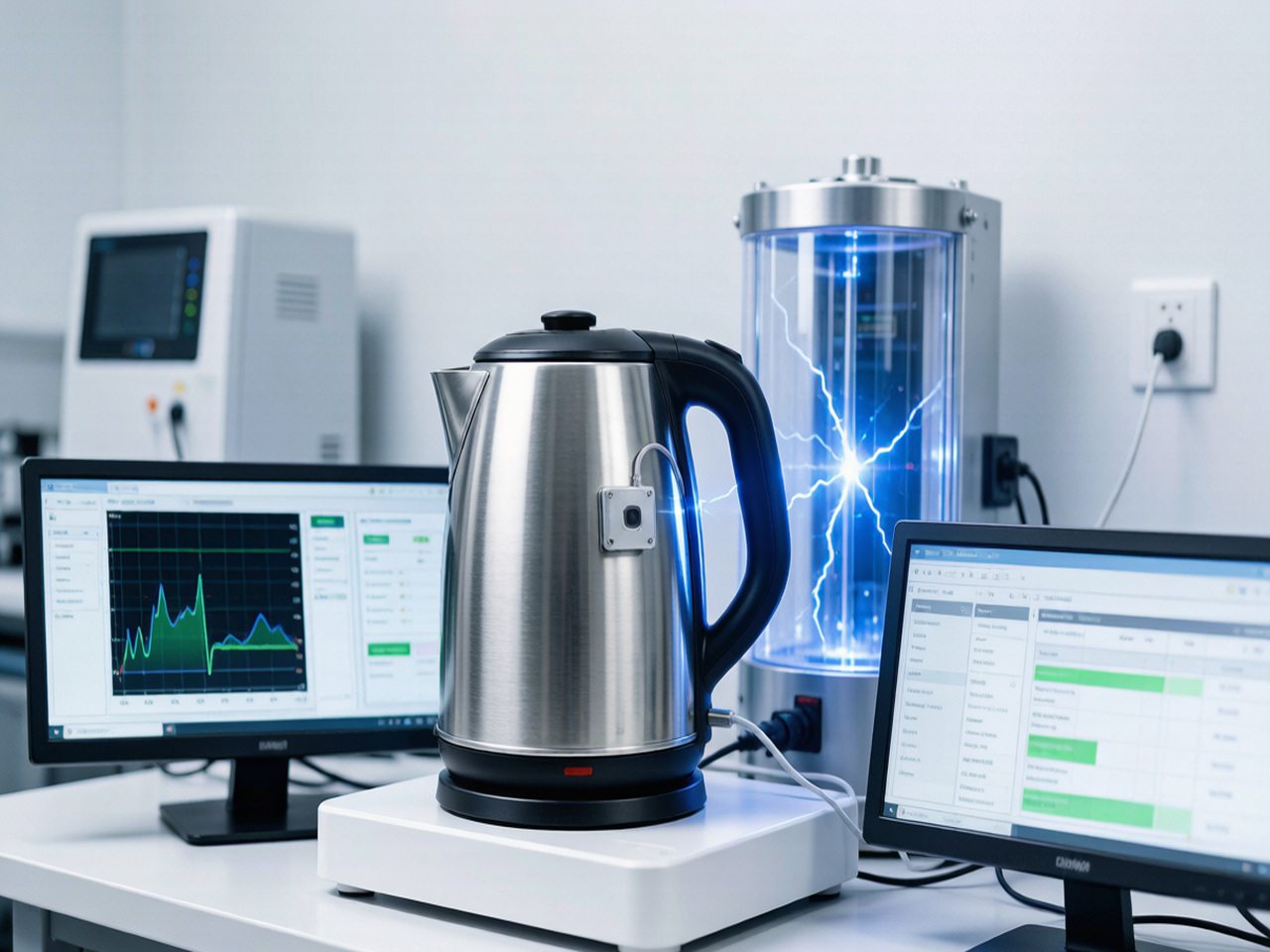
In years of testing, Ningbo Xuntong Standard has found low-cost designs often lack limiter redundancy, omit anti-spill structure at the base coupling, and use steam valves easily blocked by scale causing pressure build-up. Rectifying these after mass production is extremely costly, so the safety review should be moved to the structural design stage.
Ningbo Xuntong Standard provides pre-testing, non-compliance diagnosis and rectification support for liquid-heating appliances under IEC 60335-2-15 / GB 4706.19, covering dry-boil, withstand voltage, earthing and sealing, and assists with CE, UKCA, CCC and other certifications. More standards interpretation is available in the regulations and standards column, appliance testing capability in the appliance testing column, and the official Ningbo Xuntong Standard website offers the quotation guide. Finding problems before mass production minimises rectification cost.
 WeChat


 Submission Successful
 WeChat Official Account