-
Xuntong specializes in testing services for electrical accessories, consumer electronics, lighting, wireless, toys and other products.



 Service Hotline 18617145297
The deep fat fryer handles high-temperature cooking oil, involving oil-temperature control, overflow prevention and scald prevention, and safety requirements vary in detail and markedly between markets. Ningbo Xuntong Standard has compiled the standard differences across five major markets — China, the EU, the US, Japan and Australia/New Zealand — to help businesses plan a multi-market access path.
China requires CCC (GB 4706.13); the EU requires CE (EN 60335-2-13); the common US route follows the UL 1082 approach (commercial units refer to UL 197); Japan requires PSE (J 60335-2-13, with diamond/circle distinctions); and Australia/New Zealand require RCM (AS/NZS 60335.2.13). The systems share the same origin, but specific clauses and labelling requirements differ.
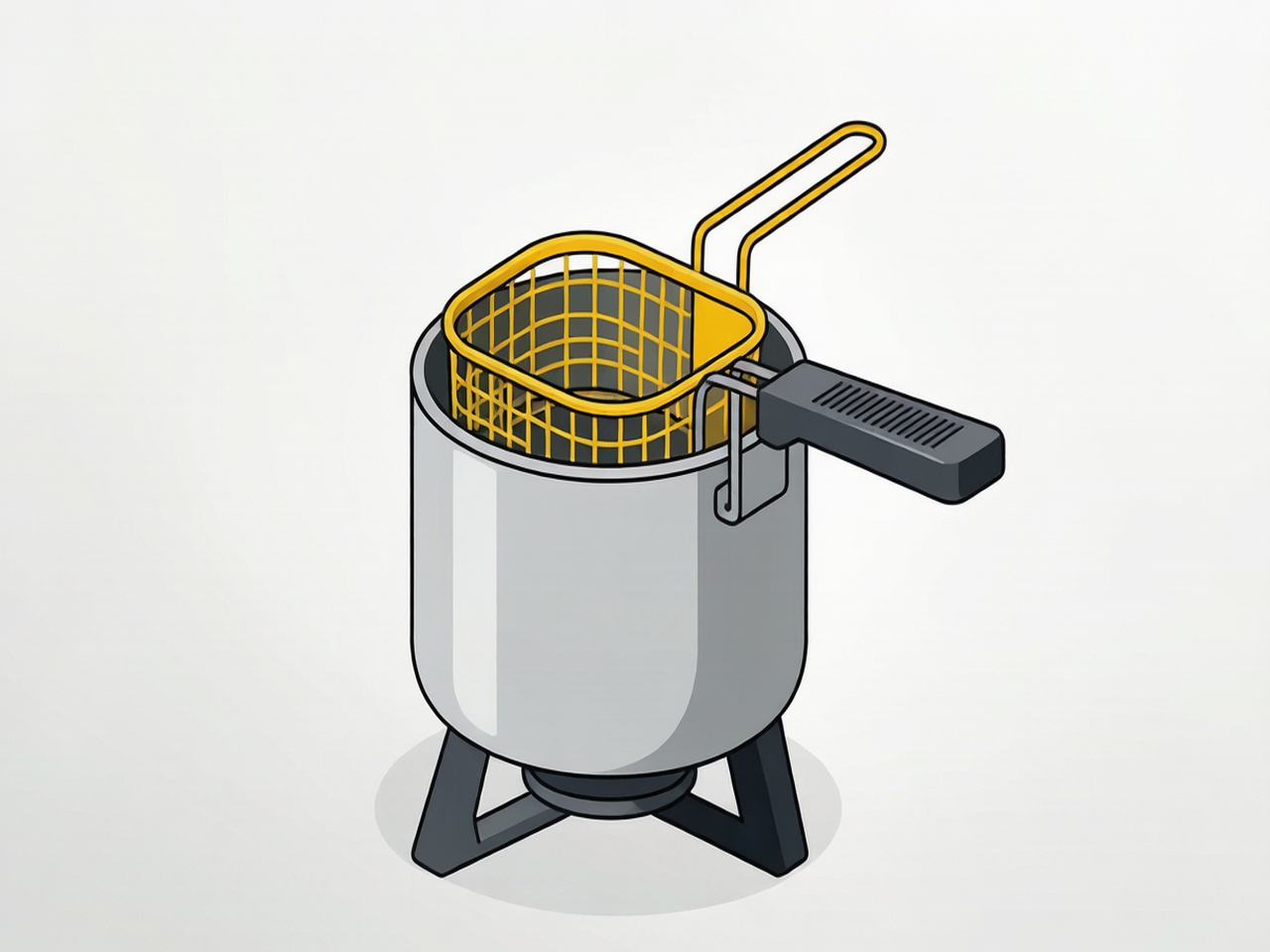
Oil-temperature control and overflow-prevention devices are a shared focus across markets; UL specifies handle strength and frying-basket locking in more detail; the EU pays more attention to accessible-surface temperature rise and scald-prevention labelling. When building multi-market versions, businesses often need to add market-specific additional tests on top of the same hardware platform.
Common corrective directions: add an oil-temperature limiter and overflow float, strengthen handle and frying-basket fixing, and optimise the scald-prevention enclosure. Ningbo Xuntong Standard recommends putting multi-market pre-testing up front to avoid discovering a market is non-compliant only on arrival at port. For related regulations and standards, see the Regulations & Standards section; for appliance testing capability, see the Ningbo Xuntong Standard official website; visit the appliance safety standards resources.

Ningbo Xuntong Standard provides multi-market safety pre-testing and corrective action for deep fat fryers, covering EN 60335-2-13, UL 1082, AS/NZS 60335.2.13 and others, and assists with CCC / CE / PSE / RCM certification. Putting testing up front can significantly reduce multi-market expansion costs.

 WeChat


 Submission Successful
 WeChat Official Account