-
Xuntong specializes in testing services for electrical accessories, consumer electronics, lighting, wireless, toys and other products.



 Service Hotline 18617145297
Battery chargers are widely equipped with power tools, garden equipment, vacuum cleaners and various portable products. They belong to the high-risk category in home appliance safety regulations-they are electrified for a long time, have a switching power supply inside, and are directly connected to batteries. test basisClassification of regulations and standardsThe IEC 60335-2-29 in, which superimposes special requirements for charging safety on top of the general standard. This article is carried out according to the scope of application, core tests, and qualification criteria to help enterprises put risks forward.
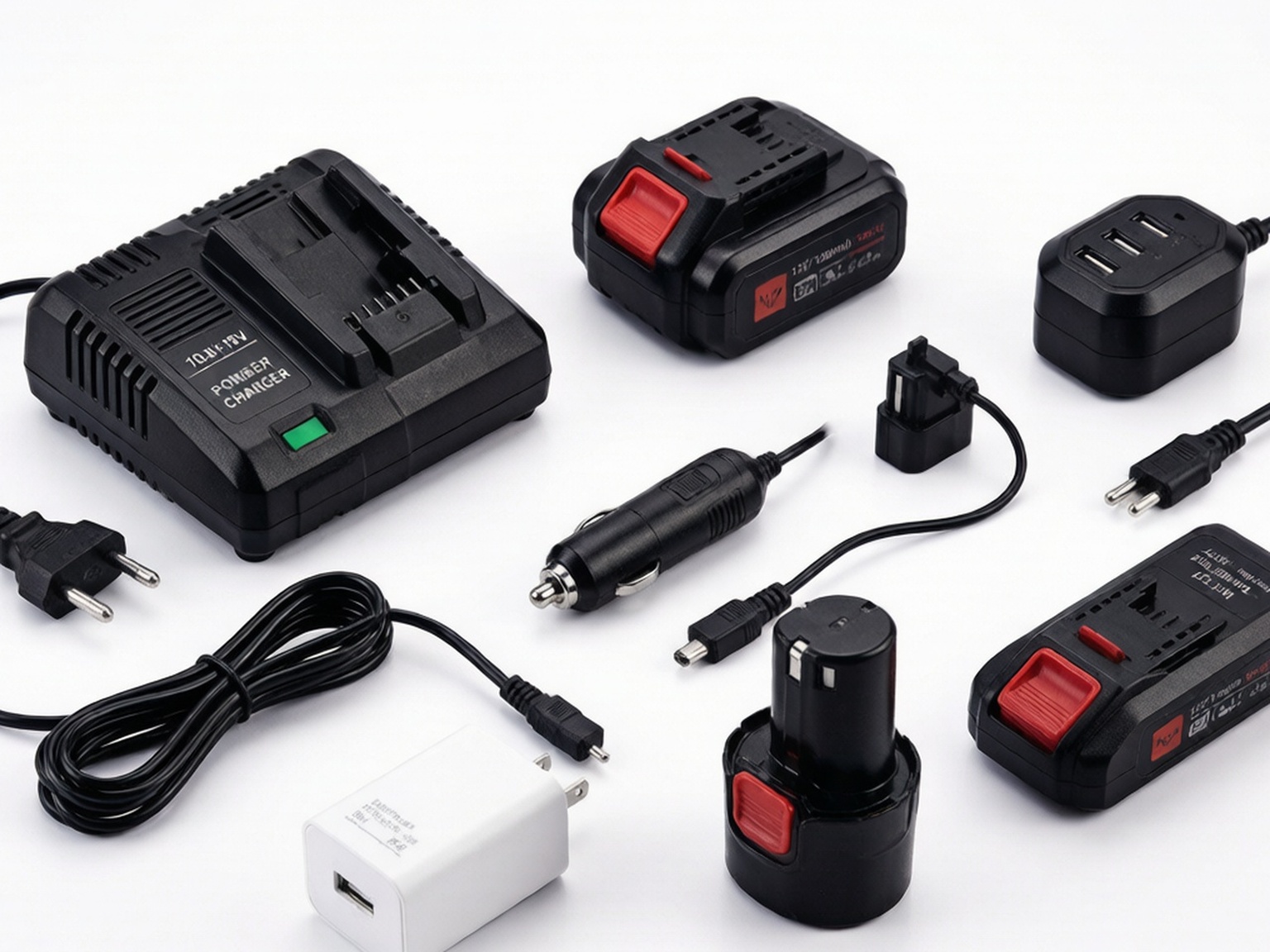
IEC 60335-2-29 covers battery chargers with a rated output voltage of no more than 60V and is used for rechargeable batteries such as lead acid, nickel hydrogen, and lithium ion. Note: Pure USB power adapters (without charging management) are evaluated according to the IT equipment standard IEC 62368-1; chargers with charging control circuits are only classified into 2-29. Only by clearly defining the standard can we choose the right standard and avoid testing deviations. Otherwise, there will be the embarrassment of discovering that the standard is used incorrectly after half of the test.
The special test focuses on three points: first, charging control, which must verify that it can stop or turn into trickling after being fully charged without overcharging; second, overload and short circuit protection, which cannot catch fire when the output terminal is short circuited and the battery is connected in reverse; third, insulation performance, the withstand voltage and creepage distance between the primary stages of the switching power supply must meet the standard. For lithium battery chargers, attention should also be paid to the safety performance under temperature rise and abnormal charging (such as using the wrong battery). Ningbo Xuntong Standards will focus on these items in the pre-test meeting and give circuit rectification points, especially reverse connection and short circuit These are the two most prone to rollover conditions.
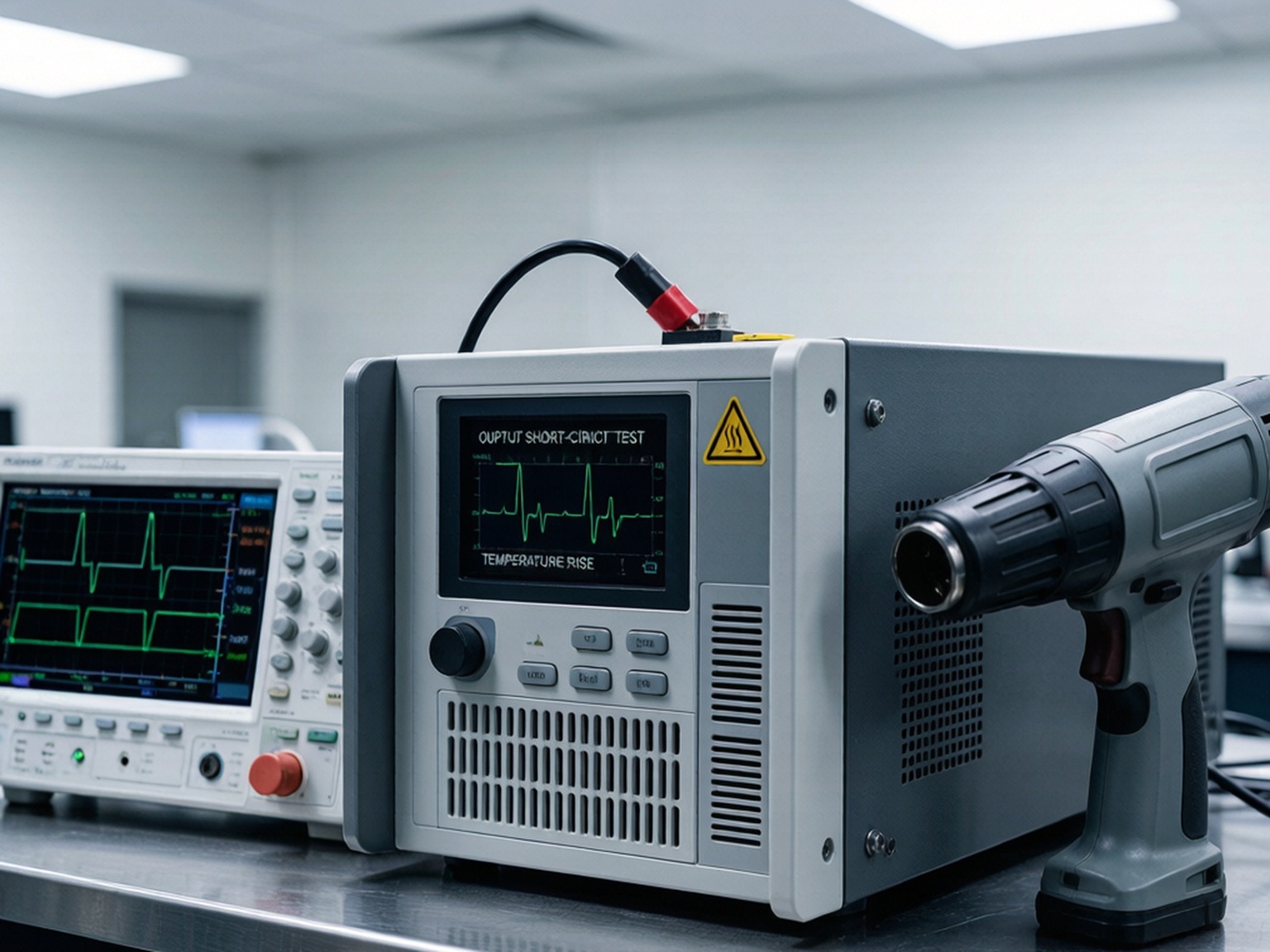
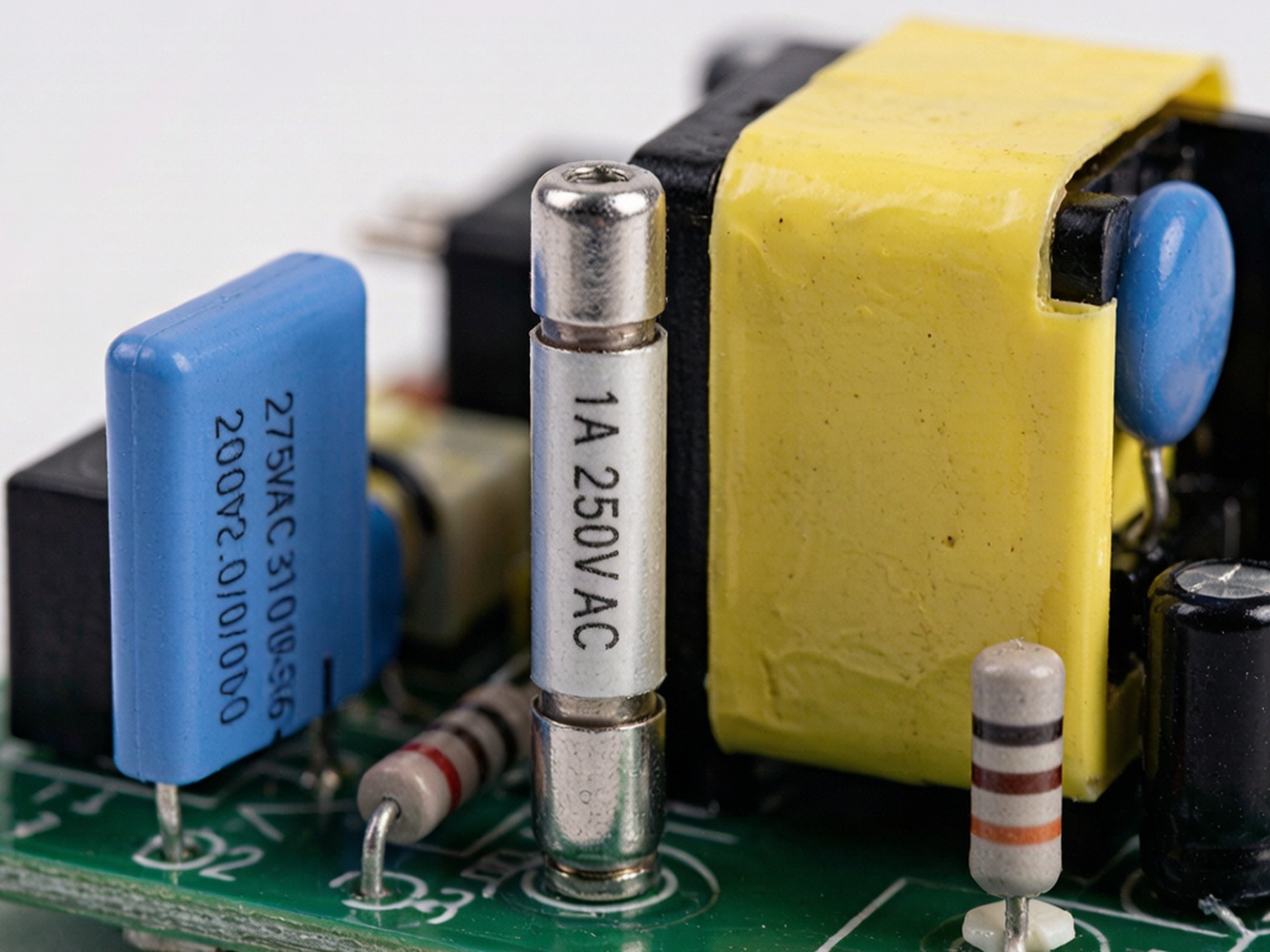
In terms of criteria, overcharge protection must be activated and the prototype must have no visible damage; the shell must not be opened or caught fire after short circuit and reverse connection; there must be no breakdown in the primary withstand voltage test; key plastic parts must reach the corresponding heat resistance and flame retardant level. Structurally, it is recommended to use independent over-temperature protection elements (Ningbo Xuntong standards also give priority to verifying this item in pre-testing), rather than relying on soft protection by the control chip. After completing the design, you can compareHome appliance testing servicesList self-inspection, or visitNingbo Xuntong Standard Official WebsiteGet the latest difference interpretation of 2-29 and make the prototype right once.
 WeChat


 Submission Successful
 WeChat Official Account