-
Xuntong specializes in testing services for electrical accessories, consumer electronics, lighting, wireless, toys and other products.



 Service Hotline 18617145297
Room heaters (fan heaters, convector heaters, oil-filled radiators) have high power and a large heat-dissipation area, so safety focuses on two items: tip-over cut-off and surface temperature. Ningbo Xuntong Standard provides a systematic reading of IEC 60335-2-30 (with the national equivalent GB 4706.23) to help businesses lock down fire and scald risks at the design stage.
IEC 60335-2-30 covers household room heaters, with the equivalents GB 4706.23 and the EU’s EN 60335-2-30. Oil-filled radiators, fan heaters and bathroom heaters all fall within scope, but different forms emphasise stability and moisture resistance differently, so multi-market access must be compared clause by clause.
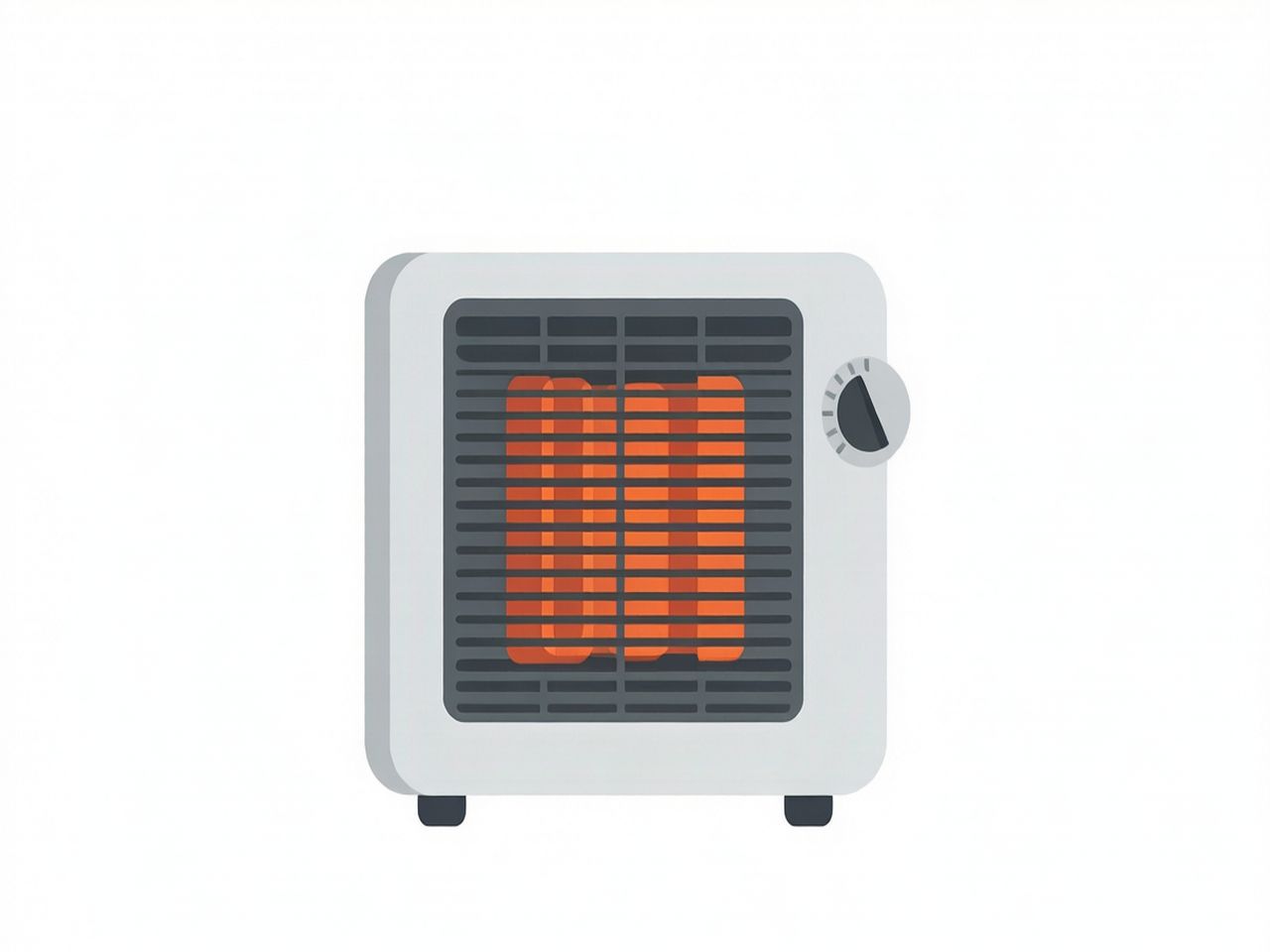
Heaters with a tilt switch must reliably cut the power when tipped, and reset must be manual — this is a key fire-prevention design and a focus of spot-checks in every market. Ningbo Xuntong Standard advises manufacturers to verify the trigger angle and hysteresis of the switch to avoid false cut-off or failure caused by transport vibration.
Accessible-surface temperature-rise limits are strict, especially for enclosures and grilles at heights children can reach. Abnormal tests verify whether the thermostat/thermal fuse acts in time. Some products compress the insulation to pursue “fast heating”, only to fail when the surface overheats.

Ningbo Xuntong Standard can provide pre-testing, non-conformity diagnosis and corrective-action guidance for room heaters under IEC 60335-2-30 / GB 4706.23, covering tip-over cut-off, temperature rise and stability in full, and can assist with CCC, CE, UKCA and other certifications. For related regulations and standards, see the Regulations & Standards section; for appliance testing capability, see the Ningbo Xuntong Standard official website; visit the appliance safety standards resources. Putting testing up front is the most effective way to reduce tooling-change costs.

 WeChat


 Submission Successful
 WeChat Official Account