-
Xuntong specializes in testing services for electrical accessories, consumer electronics, lighting, wireless, toys and other products.



 Service Hotline 18617145297
The foundation of all appliance safety standards is IEC 60335-1,”Safety of Household and Similar Electrical Appliances-Part 1: General Requirements”. Whether it is a vacuum cleaner, electric kettle or heater, first pass the 60335-1 barrier, and then superimpose the special terms of each part-2. By understanding this general standard, you will grasp the overall framework of home appliance safety. Background information availableClassification of regulations and standards。
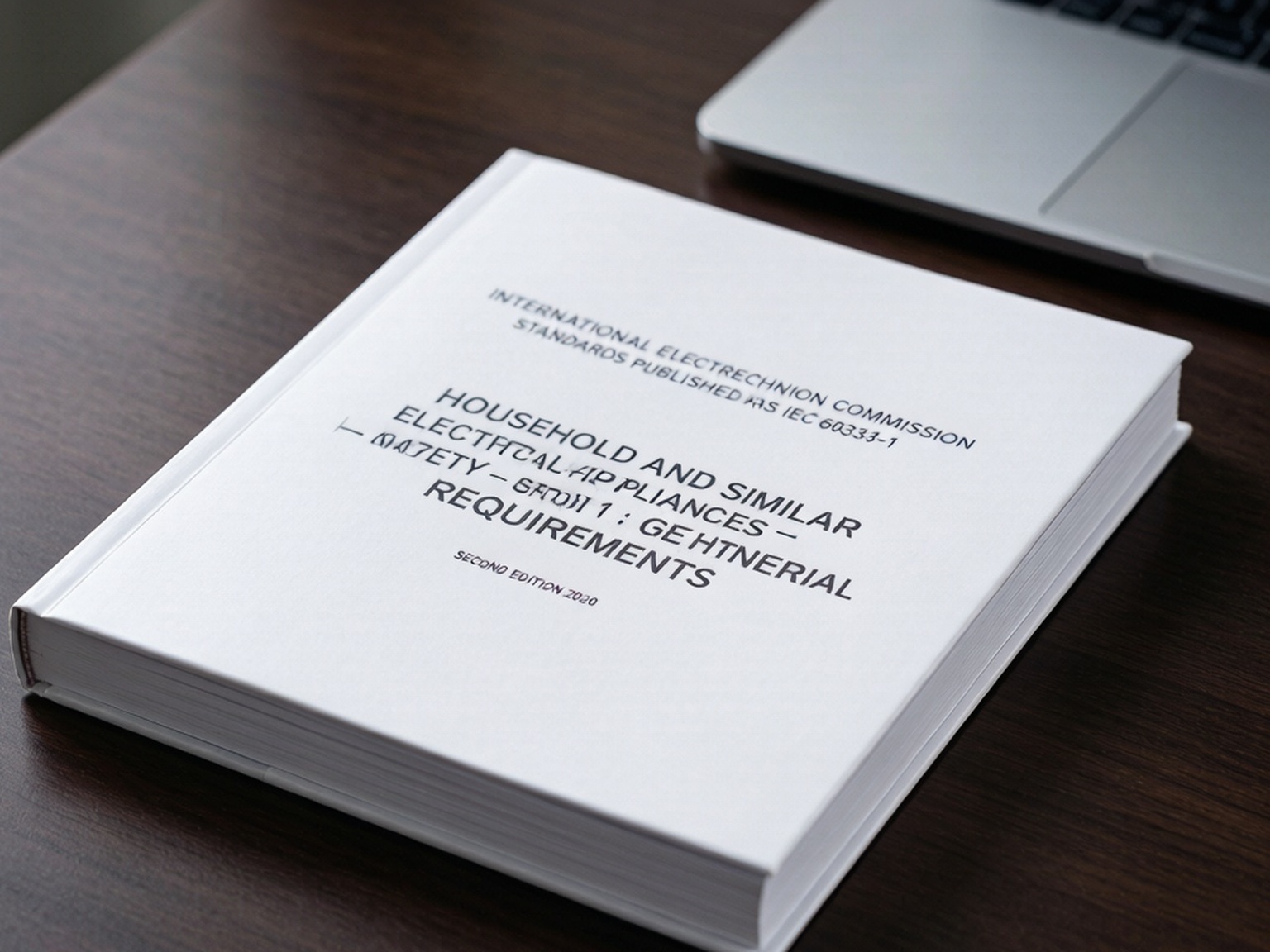
60335-1 stipulates that electrical appliances shall not cause hazards such as electric shock, fire, and mechanical injury under normal use and foreseeable misuse. It covers basic requirements such as electrical strength, leakage current, temperature rise, durability, structure, grounding, and creepage distance, but does not specify performance, energy efficiency, or EMC (which are the responsibility of other standards). While part-2 products meet the general requirements, they must also meet the additional conditions of their own special seals. The stricter one is adopted. Ningbo Xuntong standards also emphasize this level when interpreting them. Clarifying this general + special level is the key to understanding the entire standard system.
The first is to prevent electric shock: Accessible metals must not be electrified, and live parts must be sufficiently isolated and verified through withstand voltage and leakage current tests. The second is temperature rise and heat resistance: under normal operation and abnormal conditions, the insulation and housing temperatures must not exceed limits, and key plastic parts must pass through ball pressure and glow wires. The third is structural safety: the protection of moving parts, the fixing of power cords, and the continuity of grounding are all verified here. The prediction test of Ningbo Xuntong Standard is carried out around these three major areas, laying the general terms on specific samples, allowing enterprises to see the measured results of each requirement.
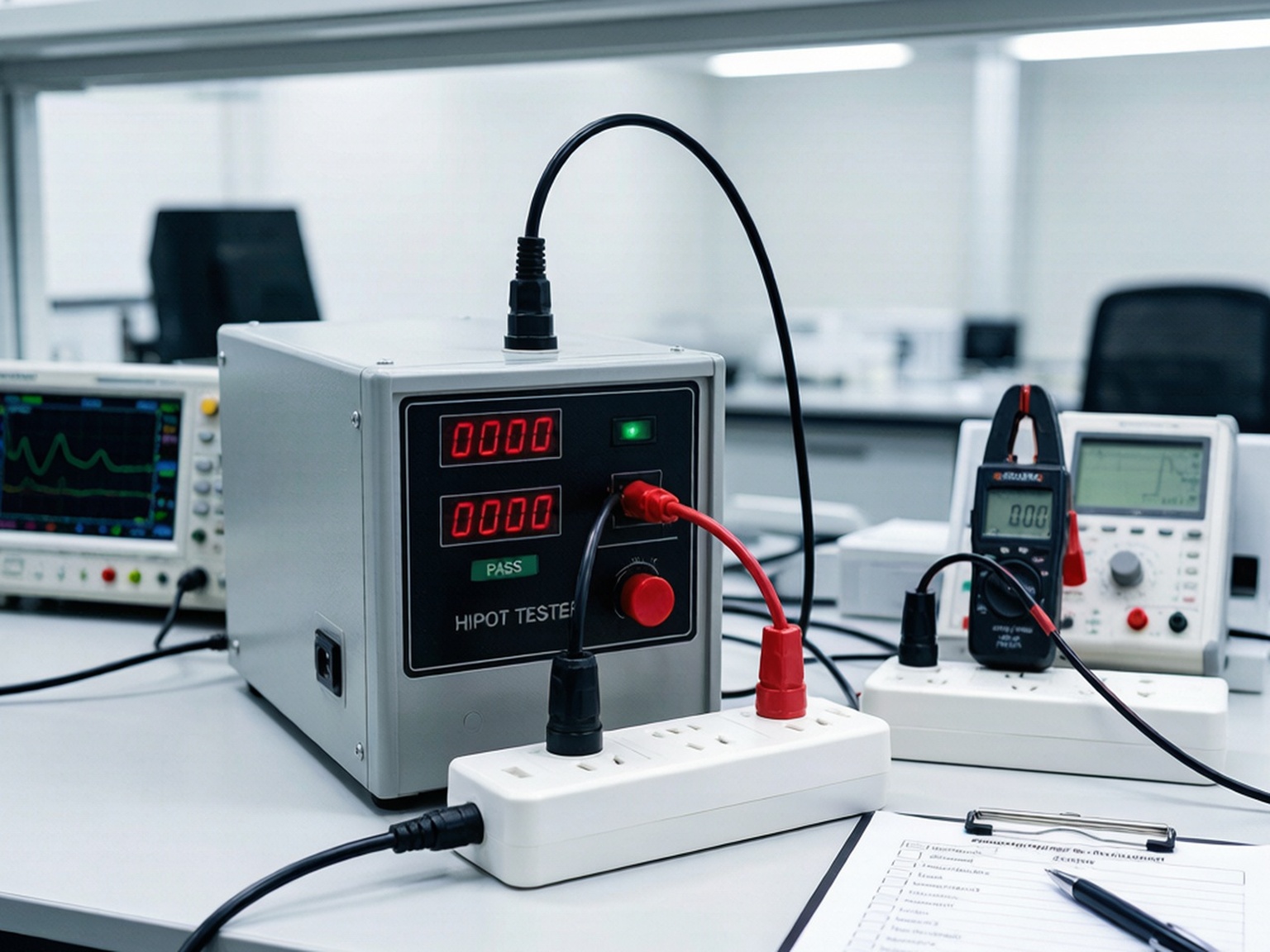
The current mainstream of 60335-1 is 2010 (including A1/A2 revisions) and updated versions. The conversion time varies from country to country. Enterprises must follow the version adopted in the target market. In practice, the easiest thing to step on is that the general version has passed but part-2 has not passed-for example, the dry burning of electric kettles and the dumping of heaters are all special chapter contents. It is recommended that the corresponding part-2 of the product be pulled in and designed together during the research and development stage. For more methods of connecting general and special standards, please refer toHome appliance testing services, or visitNingbo Xuntong Standard Official WebsiteGet continuous updates.

 WeChat


 Submission Successful
 WeChat Official Account