-
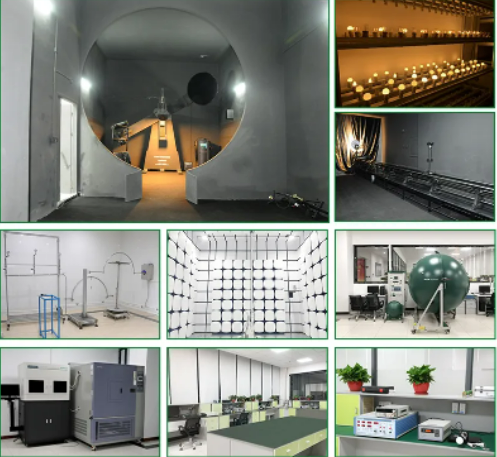
Xuntong specializes in testing services for electrical accessories, consumer electronics, lighting, wireless, toys and other products.



 Service Hotline 18617145297
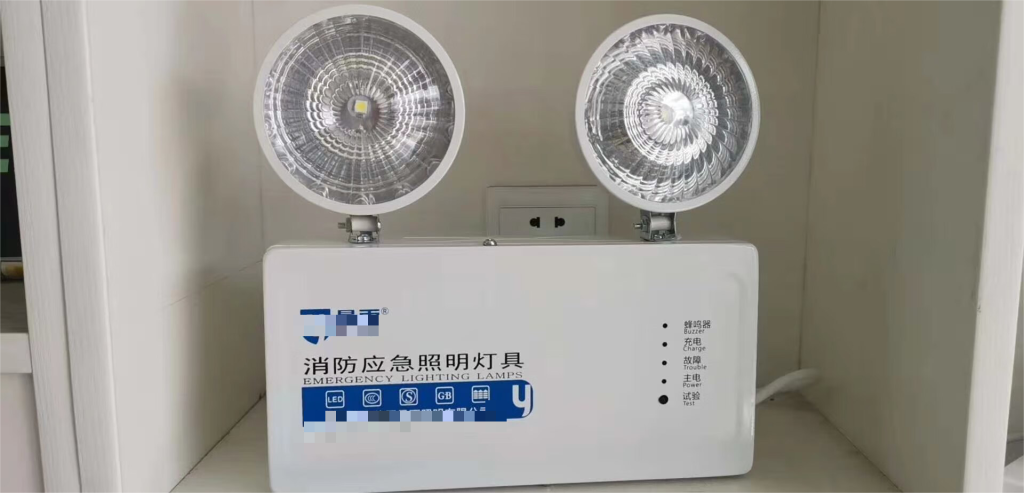
National standard for fire emergency lights, new national standard for fire emergency lights, execution standard
1. The new national standard fire emergency lights add self-test functions and fault alarm functions:
1. After the fire emergency lighting has been operating continuously for 30 days +/-2 days (i.e., about 30 days), the lighting will automatically respond for about 35 seconds, and then restore to the main power function.
2. When the fire emergency lamp has been working continuously for one year, the lamp will automatically provide emergency lighting, drain the electricity in the battery, and then automatically return to the charging state (that is, the lamp will maintain the battery itself)
3. When the monthly self-test emergency lighting time is less than 30 seconds, or the annual self-test emergency lighting time is less than 30 minutes, the lamp will alarm. Only when the fault is eliminated or the plug is unplugged can the alarm interference be blocked.
4. When the emergency lighting is connected to the mains power every time, an automatic prompt sound will appear
5. Fire emergency lighting will automatically alarm when the battery is broken
6. When the light source of the fire emergency lamp is damaged, the yellow indicator light on the lamp panel will light up and alarm.
7. Alarm frequency: It sounds at least once per minute, each time lasts for 1-3 seconds, and the alarm sound is between 65 decibels and 85 decibels.
2. The new standard stipulates that fire emergency lights must meet the minimum brightness
The new national standard GB17945-2010 clearly stipulates the surface brightness and luminous flux (illumination brightness) of fire emergency lamps. The surface brightness of sign lamps should not be less than 50cd/㎡, and the illumination brightness of emergency lighting lamps should not be less than 50 lumens.
Due to the lack of brightness requirements for the old national standard fire emergency lamps used on the market, most emergency lighting lamps could not meet the fire protection requirements. Fire hazards always exist, and the brightness of the new national standard fire emergency lamps is 10-50 times higher than that of previous lamps, effectively ensuring fire safety requirements
3. The new national standard fire emergency lights cannot use resistance-capacitance pressure reduction methods
1. The old national standard form of fire emergency lights adopts resistance-capacitance step-down method, but the resistance-capacitance step-down power factor is too low, which wastes too much electricity. An emergency light uses resistance-capacitance step-down to waste nearly one degree of electricity for more than a day.
2. Resistance-capacitance buck will change the phase of the normal line, causing the neutral line of the three-phase and four-wire to generate high current and become hot. Large use will damage the power grid.
3. All the new national standard fire emergency lamps use transformers, which consumes low power, high efficiency and stable performance
4. The new standard adds requirements for protection levels:
Protection level: The purpose is to prevent people or animals from coming into contact with the live parts of the lamp. The protection level of IP30 is used in the new national standard fire emergency lamps, which can effectively prevent casualties of people or animals. At the same time, the protection level of fire emergency buried lamps is IP65. The original AC220V mains power supply form of the old national standard has been adjusted to the current form of power supply with safe voltage, which has further improved the safety performance of the emergency lamps
5. The new national standard emergency lights add requirements for creepage distances and electrical clearances:
It is stipulated in the new national standard that the creepage distance of grounded fire emergency lamps is greater than 2.5mm, and the electrical clearance is greater than 1.7mm. Both the air and objects themselves are conductive. The requirements for creepage distance and electrical clearance will reduce the electrical caused by this factor. Short circuit reduces safety hazards and protects the safety of the power grid
6. Connection requirements for the new national standard fire emergency lighting and emergency lighting distribution boxes:
Fire emergency lighting distribution box: The emergency lighting distribution box is directly linked with fire-fighting equipment to prevent the commercial power from working normally when a fire breaks out, and the emergency lights cannot enter the emergency state. The emergency lighting distribution box will automatically switch all emergency lights according to the fire linkage information. Enter emergency working state
7. The new national standard has revised the pattern of fire emergency sign lamps:
The new standard has introduced new specifications for the indicator pattern of fire evacuation indicator lamps:
Benefit 1: It can make information easier to recognize than text
Benefit 2: It can be integrated with international norms:
Technical requirements for fire emergency lights
1. The emergency conversion time of fire emergency lighting should not exceed 5 seconds. The emergency switching time of fire emergency lamps used in high-risk areas shall not exceed 0.25 seconds.
2. The emergency working time of fire emergency lamps should be no less than 90 minutes and no less than the nominal emergency working time of the lamp itself.
3. The color of fire sign lights should be one of four types: green, red, white and green, and white and red.
4. When the emergency lighting is converted from the main power supply to the emergency power supply, its luminous flux should not be less than 70% of the luminous flux of the light source at the rated voltage.
5. Fire emergency lamps with self-contained power supply type and mother-child power supply type should be equipped with main power, charging, and fault status indicators. Use green for main power status, use red for charging status, and use yellow for fault status.
6. Fire emergency lighting should have overcharging protection and charging circuit short circuit protection. When the charging circuit is short circuit, the surface temperature of its internal components should not exceed 90 ° C. Fire emergency lights should work normally after reinstalling batteries. The charging time of fire emergency lights should not exceed 24 hours.
7. Fire emergency lighting should be protected from over-discharge. The battery discharge termination voltage shall not be less than 80% of the rated voltage.
8. Fire emergency lighting should be able to continuously complete the working state cycle of “main power state 1min-emergency state 20s-main power state 1min” for at least 50 times.
9. Fire emergency lighting should not be put into emergency state when the main electric voltage is in the range of 187 – 242V.
10. The main electric voltage when the fire emergency lighting is transferred from the main electric state to the emergency state should be within the range of 132 – 187V. The main electric voltage when returning from the emergency state to the main electric state should not be greater than 187V.
11. Fire emergency lighting should complete the charging and discharging process of 10 “full charge-discharge termination-full charge” cycles. The last discharge time shall not be less than 85% of the first discharge time.
 WeChat


 Submission Successful
 WeChat Official Account