-
Xuntong specializes in testing services for electrical accessories, consumer electronics, lighting, wireless, toys and other products.



 Service Hotline 18617145297
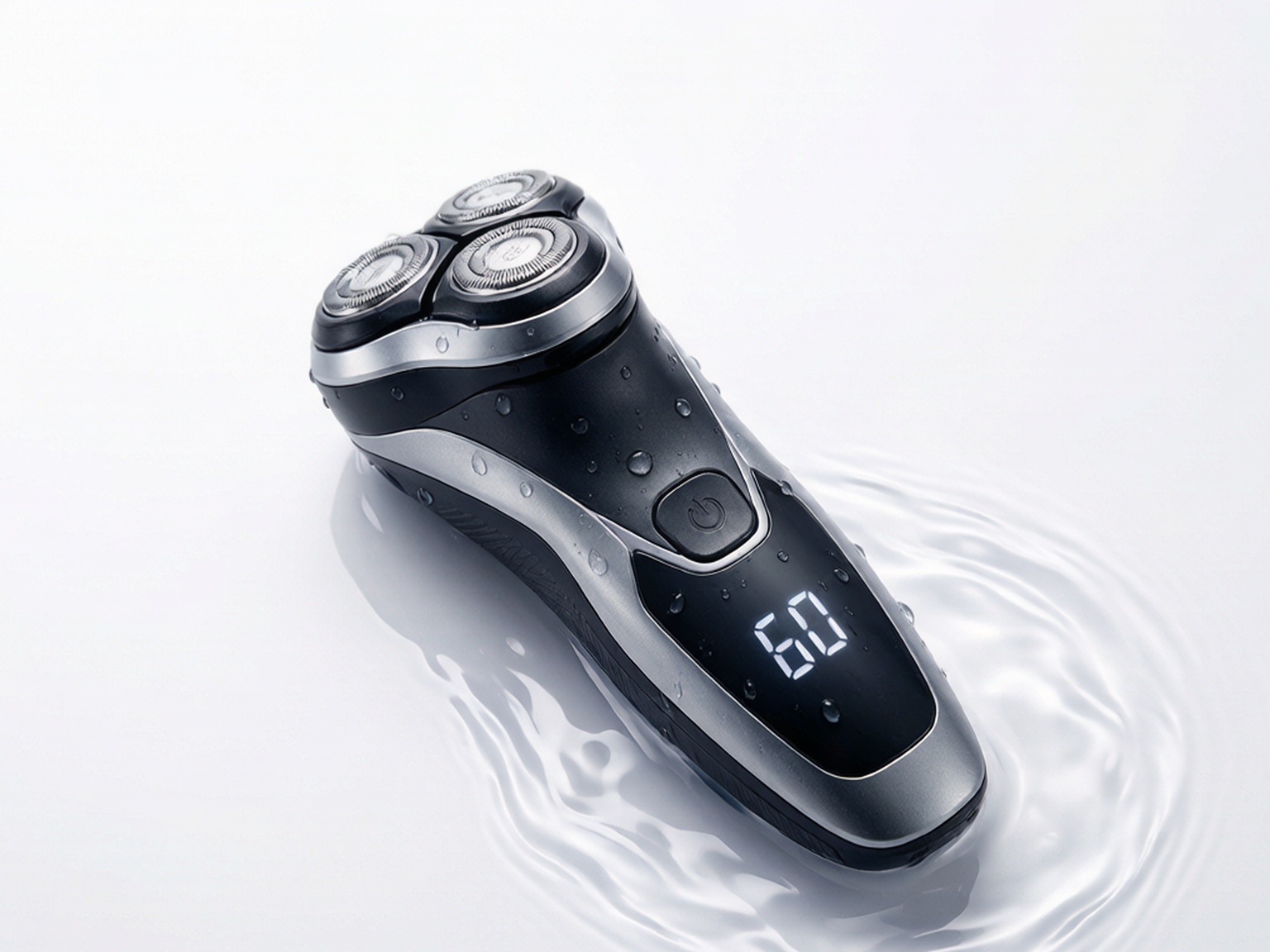
As a typical waterproof handheld small appliance, the electric shaver has long been a high-risk category in safety spot-checks across markets. Having examined numerous units in batch testing, Ningbo Xuntong Standard finds that shaver non-compliance items are highly concentrated and can mostly be avoided at the early design stage. This article reviews the most frequent failure modes and offers practical rectification approaches.
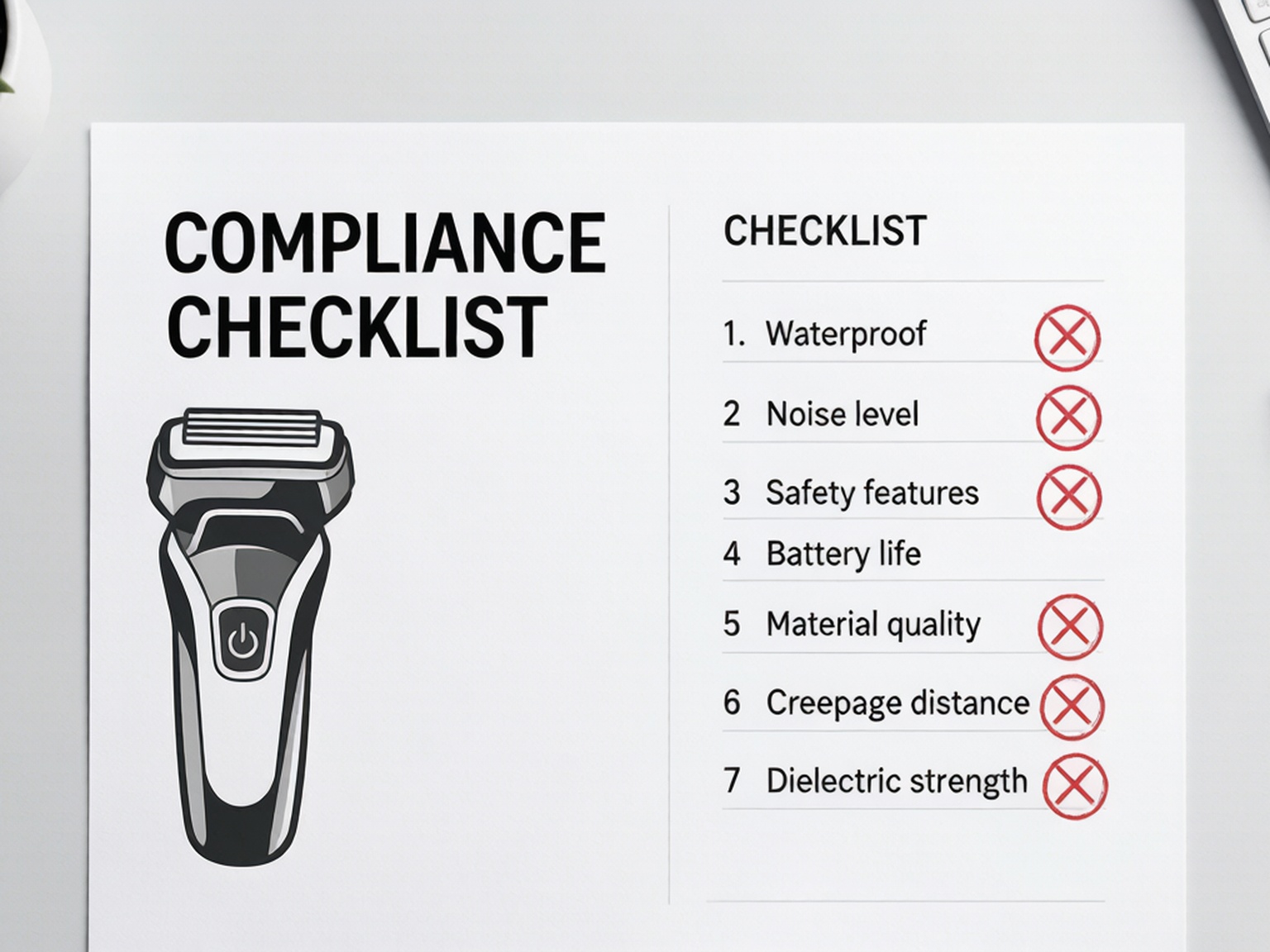
The complete shaver must meet the relevant IPX rating after immersion and spray, and internal live parts must not become accessible because of water ingress. The most common non-compliance is poor sealing at the joint between the cutter head and the body, together with a charging port that is not isolated. Rectification measures include adding sealing rings, physically isolating the charging circuit from the cutter-head cavity, selecting higher-protection-grade connectors, and ensuring clear labelling of the IP rating on the product.
Miniaturised bodies make the internal wiring extremely compact, so the distance between live and low-voltage circuits, and between live parts and accessible metal, is easily insufficient. Ningbo Xuntong Standard recommends that enterprises reserve adequate creepage distance at the PCB layout stage, properly organise the internal wiring, and use compliant, standardised isolation barriers for components such as transformers and capacitors, rather than sacrificing the safety margin merely to shrink the size.
During charging, the temperature rise of the body and battery surface must stay within the prescribed limits; lithium-battery versions must also pass abnormality tests such as overcharge and short circuit. Some low-cost designs omit temperature protection to save cost and are often failed outright in the temperature-rise or battery item. Rectification should restore the temperature-control and battery-protection circuitry and use certified cells.

Cutter-grille strength, grille locking and sharp-edge assessment after a drop are equally important. If the grille ruptures under abnormal force and exposes the blade, it creates a mechanical-injury risk. It is recommended to carry out accelerated ageing and impact verification on the grille material to minimise the risk of failure within its service life.
Ningbo Xuntong Standard can provide pre-testing, non-compliance diagnosis and rectification coaching for shavers per IEC 60335-2-8 / GB 4706.9, covering waterproofing, creepage, temperature rise and battery in full, and assist with multi-market certification such as CE, UKCA and PSE. For more regulatory and standards interpretation see the Regulations & Standards column, for appliance testing capability see the Appliance Testing column, and visit the Ningbo Xuntong Standard official website for the quotation guide. Identifying problems before mass production keeps rectification cost at its lowest.
 WeChat


 Submission Successful
 WeChat Official Account