-
Xuntong specializes in testing services for electrical accessories, consumer electronics, lighting, wireless, toys and other products.



 Service Hotline 18617145297
Liquid heating appliances (electric kettles, coffee machines, health pots) are major exporters of small kitchen appliances, but the safety requirements for them vary significantly in different markets. The same product must be entered into six markets: China, the European Union, the United Kingdom, the United States, Japan, and Australia and New Zealand, with different corresponding standards. This article takes IEC 60335-2-15 as the main line to explain the differences in access to the six markets at once. Let’s put an overview first. SeeClassification of regulations and standards。
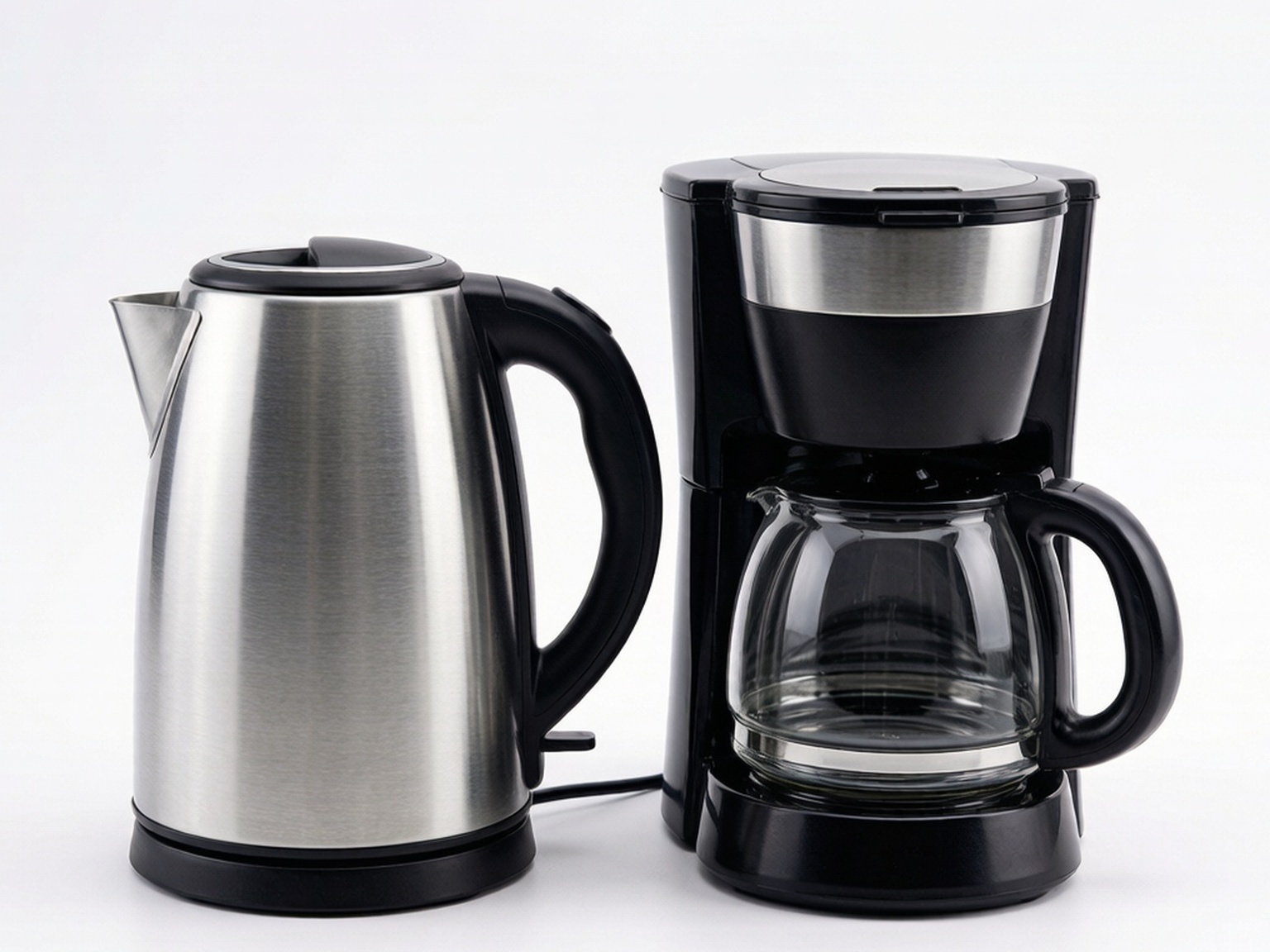
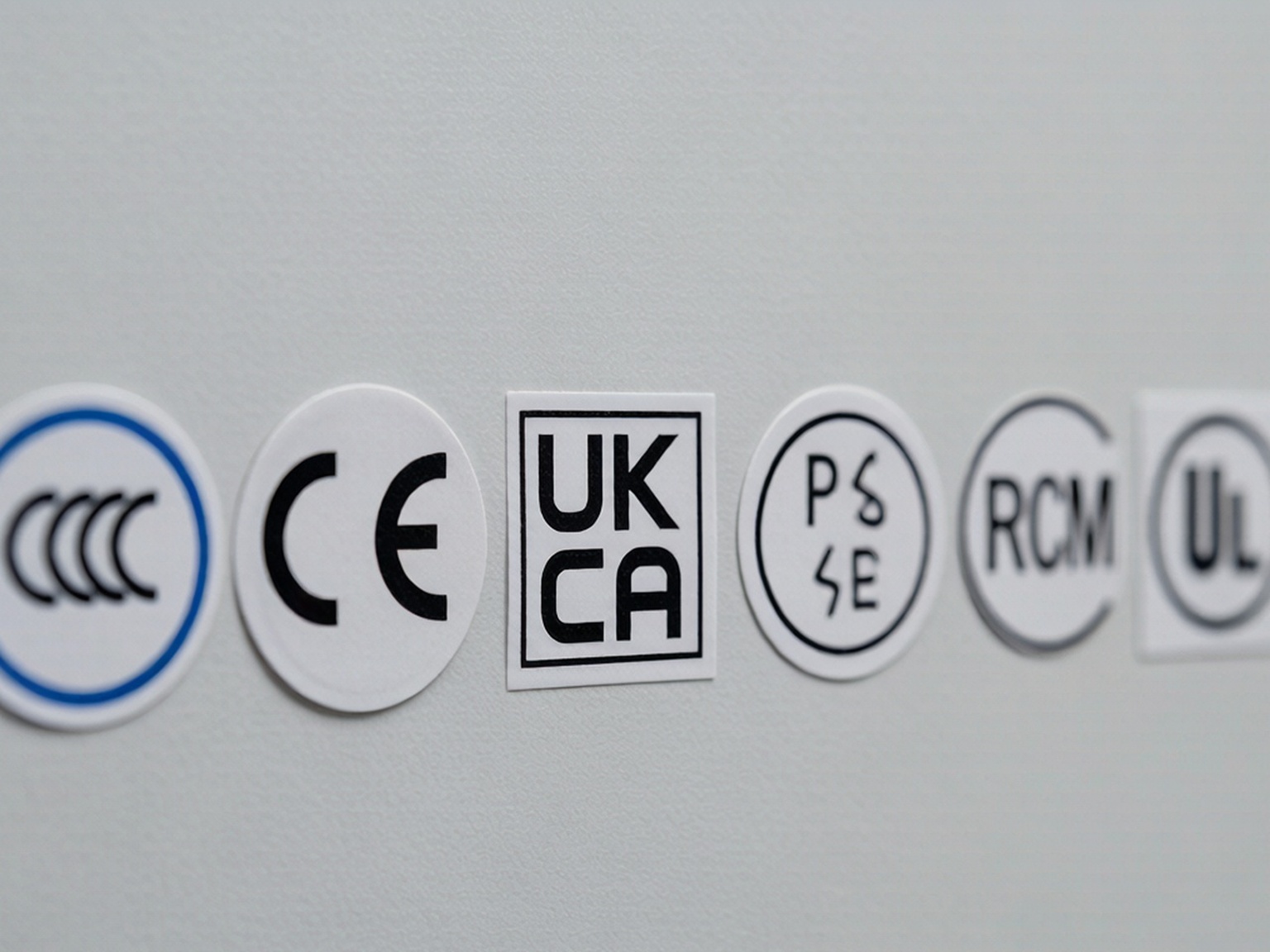
The corresponding relationships of core safety standards are: China GB4706.19 (CCC/CQC), International IEC 60335-2-15, EU EN60335 -2-15 (CE), UK BS EN 60335- 2 -15 (UKCA), Japan J60335 -2-15 (PSE rhombus), ANZ AS/NZS 60335.2.15 (SAA/RCM), and US UL1082. It can be seen that except for the UL system used in the United States, the rest are basically equivalent or equivalent conversions of IEC 60335-2-15, and the test skeleton is consistent.
Although the skeleton is the same, the differences cannot be ignored: China imposes CCC with a voltage of 220V; the EU pays attention to CE+ERP energy efficiency and GPSR labeling; the UK independent UKCA after Brexit, and some years can be parallel to CE; Japan’s PSE is divided into diamond (specific) and round (non-specific), and most electric kettles are diamond-shaped and require METI notification; ANZ requires RCM registration and comply with plug standards; U.S. UL 1082 emphasizes the abnormal working conditions of 120V and the heat resistance of plastics. When Ningbo Xuntong Standard conducts multi-country certification transfers, it will list these differences into a comparison table and check them one by one.
In practice, it is recommended to have multiple certificates: first finalize the general design under the framework of IEC 60335-2-15, and then fine-tune the voltages, plugs, labels and local additional tests of various countries. This process can assist enterprises in checking item by item. For companies with CB certificates, the fastest transfer is to the EU/UK/Australia and New Zealand; for companies with China and Japan, local applications are required, and Chinese nameplates and local agent information must be reserved. For a complete comparison and prototype preparation list, please refer toHome appliance testing services, or visitNingbo Xuntong Standard Official WebsiteDownload the access guide for the corresponding market.

 WeChat


 Submission Successful
 WeChat Official Account