-
Xuntong specializes in testing services for electrical accessories, consumer electronics, lighting, wireless, toys and other products.



 Service Hotline 18617145297
Table fans, pedestal fans, tower fans and air circulators are produced in huge volumes and widely exported. Although the structure seems simple, once blade guard, motor temperature rise or stability lose control, mechanical injury or electrical accidents easily occur. Ningbo Xuntong Standard has found in batch testing that non-compliance concentrates on blade guard, motor temperature rise and structural strength. This article systematically reviews the key points of their safety standard.
IEC 60335-2-80 applies to household and similar electric fans; the Chinese equivalent is the relevant part of GB 4706. In addition to this part, the general standard IEC 60335-1 (GB 4706.1) requirements for electric shock protection, temperature rise, and resistance to heat and fire apply. Ningbo Xuntong Standard notes that fans with remote control, negative-ion or humidifying functions must also meet corresponding additional requirements, so the product boundary should be clarified before commissioning.
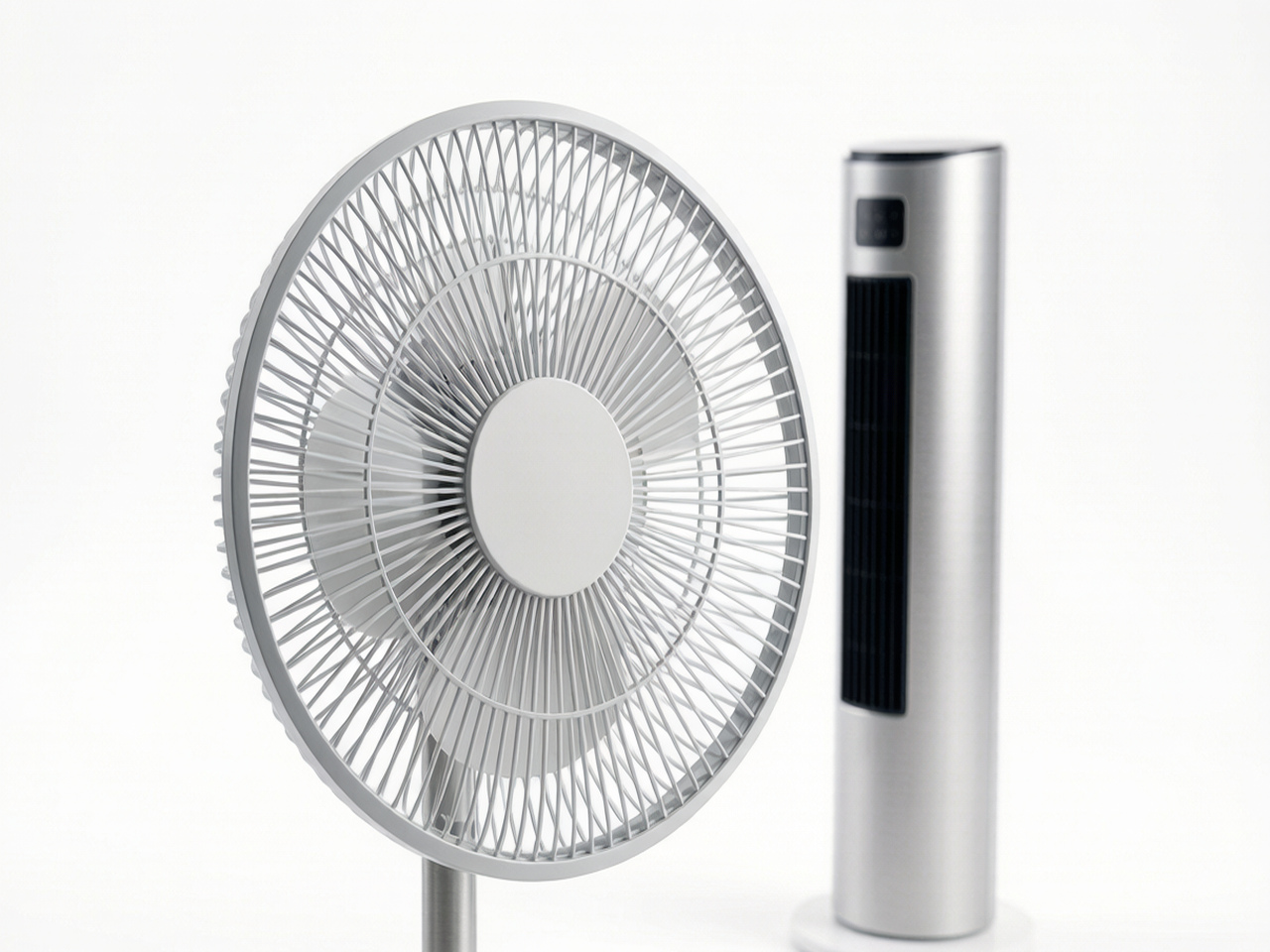
The first is blade guard: the standard strictly requires grille gaps and finger-probe inaccessibility to prevent foreign objects or fingers reaching the moving blade. The second is motor temperature rise: winding and accessible-surface temperature rise must stay within limits during long running. The third is stability and mechanical strength: after overturning a pedestal fan or impacting a tower fan, no live part may be exposed or sharp edge produced.
The acceptance criteria can be summarised as: the finger probe test must not reach moving parts; insulation must not fail after motor temperature-rise and locked-rotor tests; and after overturning and impact the enclosure is intact with no accessible live part. Ningbo Xuntong Standard advises against sacrificing grille density for appearance — guard spacing is a hard pass criterion for these products.
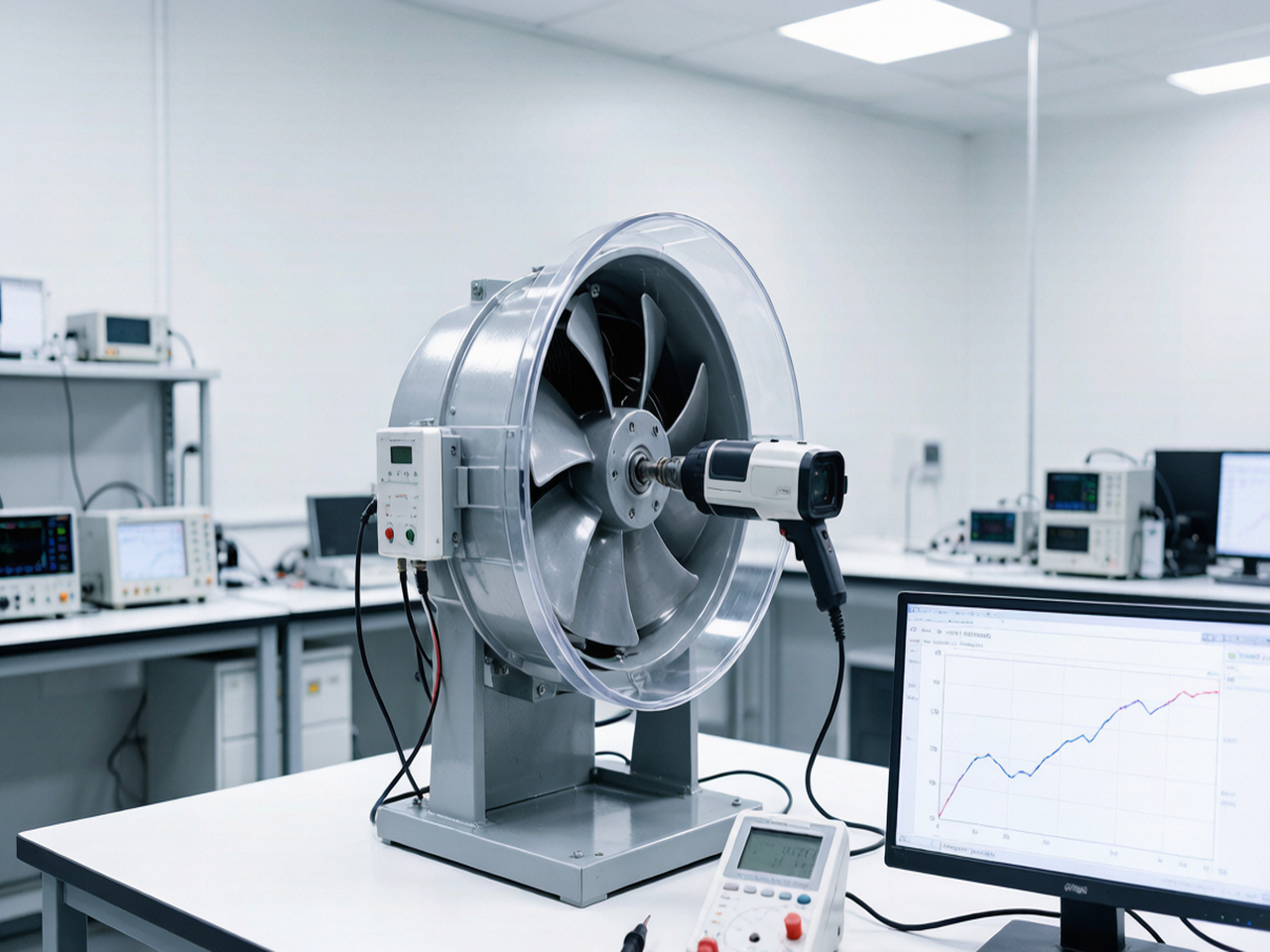
In years of testing, Ningbo Xuntong Standard has found low-cost designs often have excessive grille gaps, insufficient motor cooling causing temperature-rise exceedance, and base weight too light to resist overturning. Rectifying these after mass production is extremely costly, so the safety review should be moved to the structural design stage.
Ningbo Xuntong Standard provides pre-testing, non-compliance diagnosis and rectification support for fans under IEC 60335-2-80, covering blade guard, motor temperature rise, stability and structure, and assists with CE, UKCA, ETL and other certifications. More standards interpretation is available in the regulations and standards column, appliance testing capability in the appliance testing column, and the official Ningbo Xuntong Standard website offers the quotation guide. Finding problems before mass production minimises rectification cost.

 WeChat


 Submission Successful
 WeChat Official Account