-
Xuntong specializes in testing services for electrical accessories, consumer electronics, lighting, wireless, toys and other products.



 Service Hotline 18617145297
Industrial and commercial energy storage is a modern energy storage technology that aims to provide a reliable and efficient energy reserve and supply system for the industrial and commercial sectors. With the development of the global economy and the increase in energy consumption, industrial and commercial energy storage is gradually becoming an effective means to solve energy supply shortages and energy fluctuations.
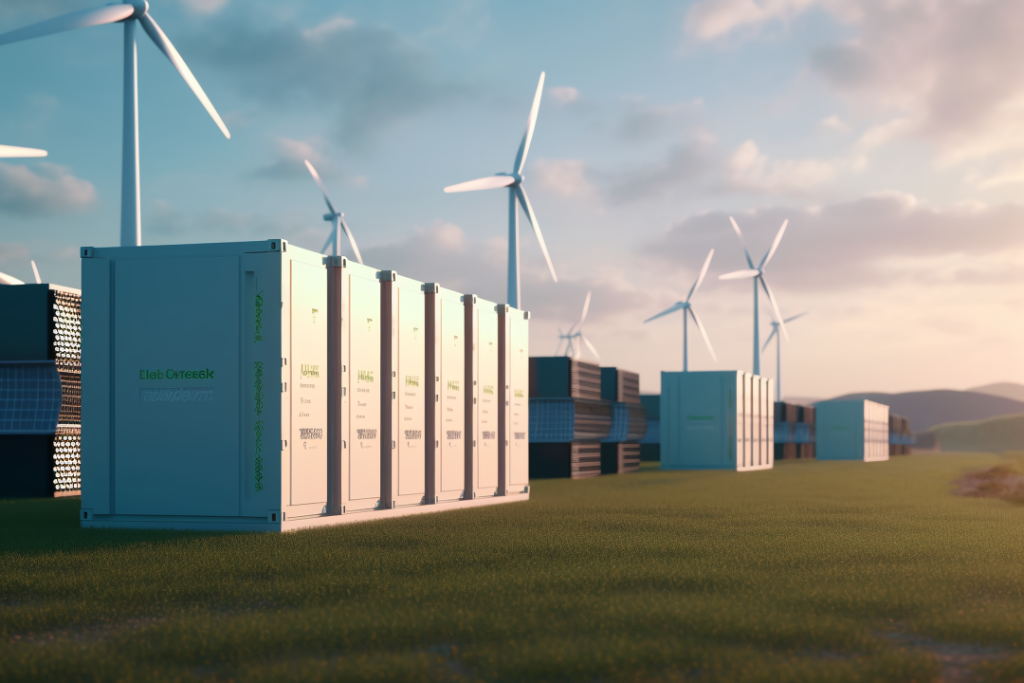
According to end customers, the energy storage industry is mainly aimed at the power generation side, the grid side and the user side. Among them, the user side energy storage can be divided into household energy storage and industrial and commercial energy storage. The main reason why industrial and commercial users configure energy storage is to meet their own internal electricity needs and use peak-valley electricity price differences to reduce operating costs. Energy storage can also be used as backup power supply to deal with sudden power outages; if photovoltaic is configured, photovoltaic power generation can also be realized. Maximize spontaneous self-use and effectively improve the consumption rate of clean energy.
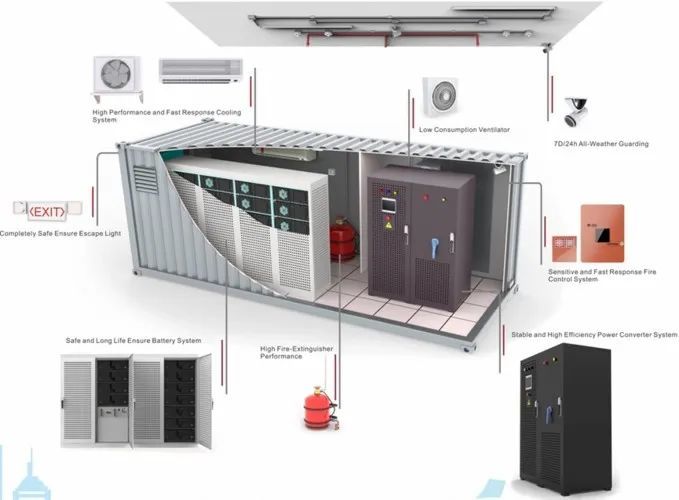
Industrial and commercial energy storage application scenarios
1. Energy reserves: Industrial and commercial energy storage can be used to reserve energy to cope with differences between peak and valley power demand of the grid. Energy storage systems can store excess power when there is a surplus and release stored power when power demand is peak to balance grid loads.
2. Peak peaking: Industrial and commercial energy storage can be used for peak peaking, which means reducing power demand by releasing stored power during peak power demand to reduce peak electricity prices and relieve pressure on the grid.
3. Emergency power backup: Industrial and commercial energy storage can be used as an emergency power backup system to provide enterprises with continuous power supply in the form of backup power supply during emergency power outages to ensure the normal operation of production and operations.
4. Distribution network applications: Industrial and commercial energy storage can be used in distribution network applications to provide network stability and reliability, and improve the power quality, power factors and frequency response capabilities of the power grid. Such as islands, outer suburban residential areas and industrial parks. If a microgrid is established in places where loads are concentrated and the energy storage system is used to store electrical energy, the energy storage system can smoothly supply power to the load when a short-term power outage occurs.
5. Electric vehicle charging stations: Industrial and commercial energy storage can be used in electric vehicle charging stations to provide reliable electric vehicle charging services by storing electricity and releasing electricity during peak hours.
Industrial and commercial energy storage products can balance peak electricity consumption and improve electricity consumption economy and reliability, but at the same time there are many safety hazards. Therefore, countries and regions have also formulated corresponding standards to regulate and require energy storage products to ensure their safety, stable and reliable work.
Test standards for industrial and commercial energy storage system products
 WeChat


 Submission Successful
 WeChat Official Account