-
Xuntong specializes in testing services for electrical accessories, consumer electronics, lighting, wireless, toys and other products.



 Service Hotline 18617145297
The electric iron is a high-frequency household heating appliance that combines a high-power heating element, a thermostat and an accessible metal soleplate. Once the design or components lose control, it is easy to fail on temperature rise or creepage distance. Ningbo Xuntong Standard has found in commissioned iron projects that non-compliance concentrates in a few areas and can mostly be avoided early in the design. This article reviews the most frequent failure modes and offers rectification ideas.
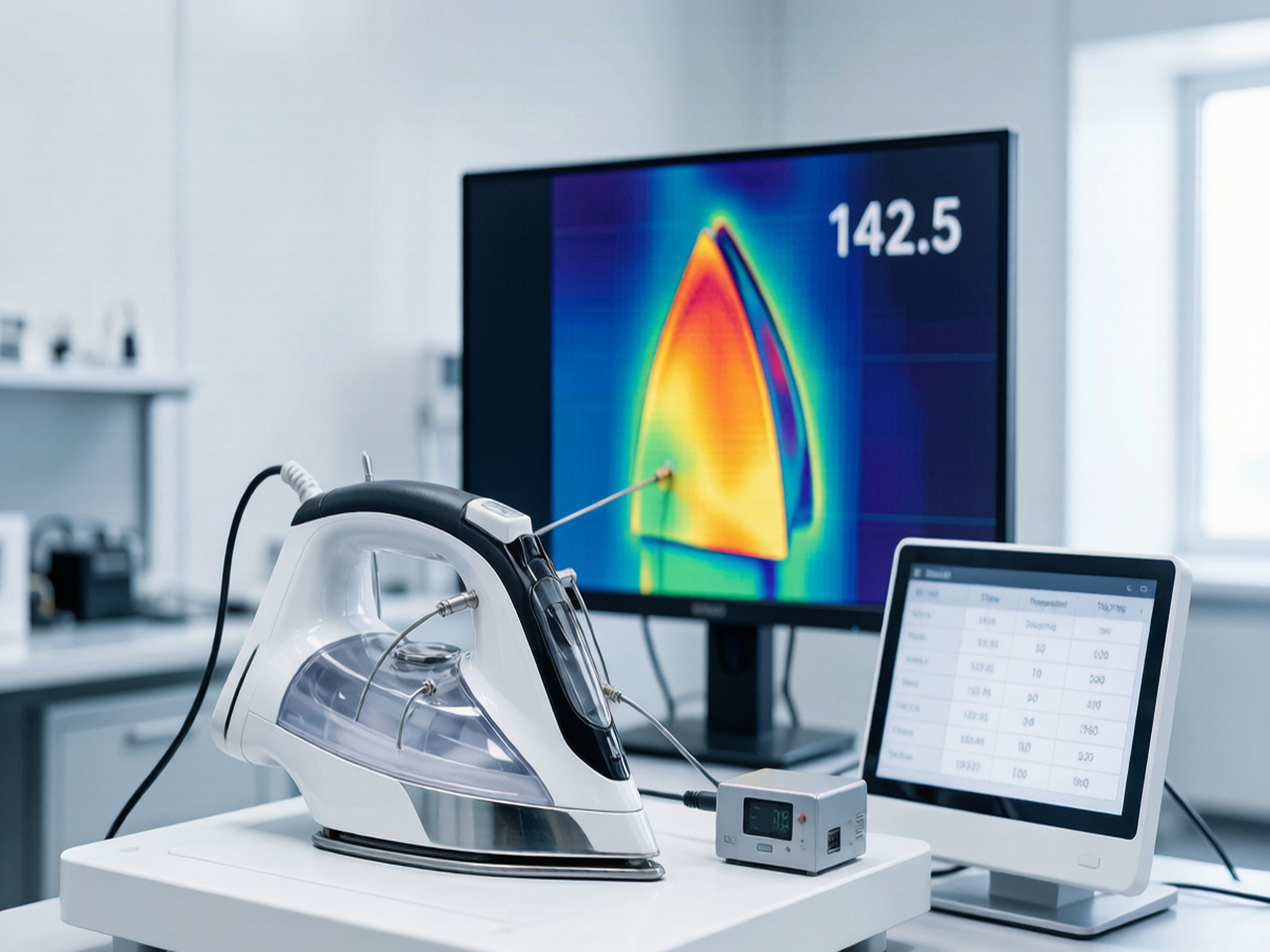
During normal operation the soleplate can reach over two hundred degrees Celsius, and the standard requires accessible handle and enclosure surface temperature rise to stay within limits. The most common failure is insufficient handle thermal insulation and neglected internal cooling channels. Ningbo Xuntong Standard recommends predicting handle temperature rise with thermal simulation before tooling, and adding insulation or a double-wall enclosure where necessary to avoid post-production rework.
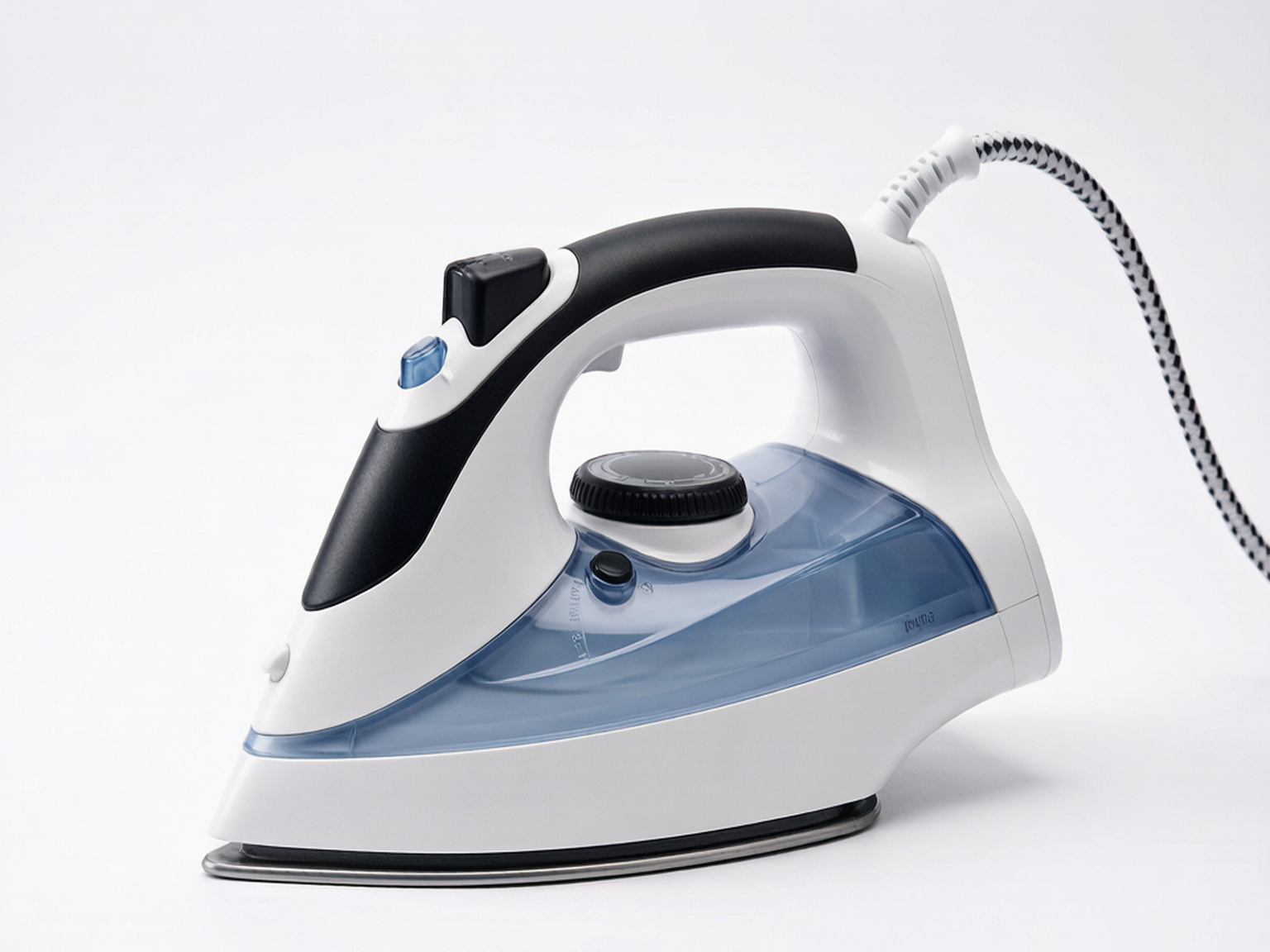
The second major problem is the close proximity of heating-element leads and thermostat terminals to accessible metal. To compress size, some manufacturers route live wiring directly against the enclosure, which easily tracks under damp or contaminated conditions. Rectification includes adding barriers, using high-temperature sleeves, and reserving compliant spacing at the PCB layout stage.
The standard includes abnormal tests such as drop, overturning and thermostat failure. Coatings releasing combustible gas at abnormal high temperature, continued heating after overturning, and enclosure cracking exposing live parts after drop are typical failures. Rectification should use high-temperature non-combustible coatings and configure reliable overturn cut-off and dual thermostats.
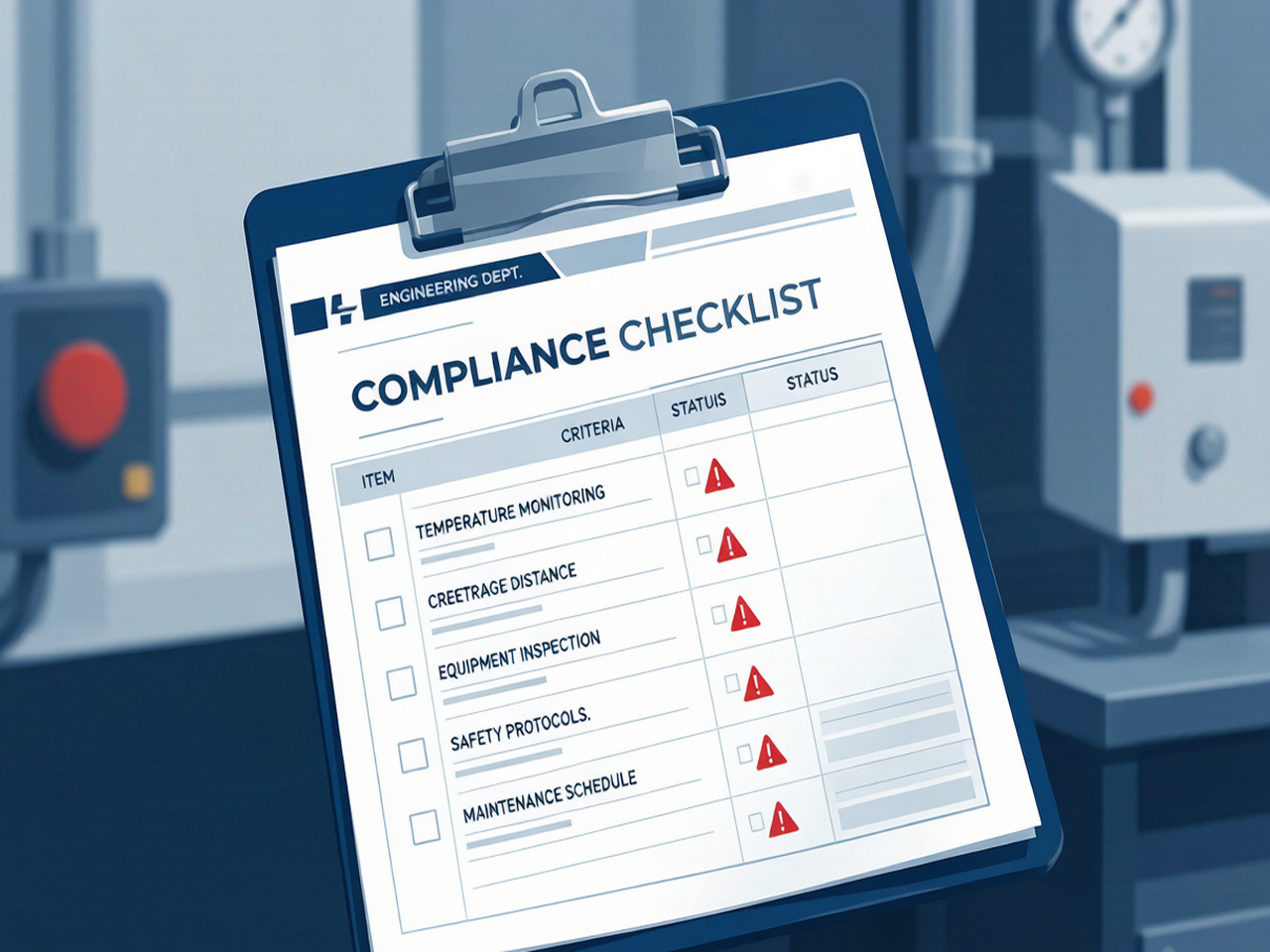
Many enterprises pass on hardware but fail on markings and instructions: missing low-water protection notice, non-compliant language for the dry-ironing warning, incomplete nameplate information. Ningbo Xuntong Standard reminds that the language and symbol rules differ by destination country, so marking items must be submitted together with the appliance.
Ningbo Xuntong Standard provides pre-testing, non-compliance diagnosis and rectification support for electric irons under IEC 60335-2-3 / GB 4706.2, covering temperature rise, creepage, abnormal operation and marking, and assists with CE, UKCA and other certifications. More standards interpretation is available in the regulations and standards column, appliance testing capability in the appliance testing column, and the official Ningbo Xuntong Standard website offers the quotation guide. Finding problems before mass production minimises rectification cost.
 WeChat


 Submission Successful
 WeChat Official Account