-
Xuntong specializes in testing services for electrical accessories, consumer electronics, lighting, wireless, toys and other products.



 Service Hotline 18617145297
When you sell consumer goods, compliance is a critical issue. Imagine you start importing your products only to discover that government agencies have found harmful chemicals in them and you have to pay a huge fine. Or you may claim that your product can withstand repeated and strict use. However, the product fails sooner than expected, and consumers start giving you one-star reviews.
You may know that laboratory testing is one way to avoid such situations. So here we will discuss why you should test your product and how to work with product testing laboratories to ensure quality and safety.
directory
Why test your product?
As a test laboratory technician, there are two main reasons why you want to laboratory test your product.
Reason #1: Compliance
Depending on your product and market details, different regulations may apply. Laboratory testing allows you to meet regulatory requirements in the jurisdictions where your product is sold.
For example, if you sell children’s products in the United States, you must comply with CPSIA. The regulation limits the amount of lead and phthalates allowed in toys, clothing, furniture and other goods intended for children 12 years old or younger. Laboratory testing will allow you to verify that these harmful chemicals are not present.
Reason #2: Performance testing
Maybe your brand claims how your product can withstand repeated and strict use. Or you may want to verify its performance to meet specific industry standards.
For example, if you are a furniture manufacturer, you might perform a performance test on your office chair according to ANSI/BIFMA standards. By sending your chair to a testing laboratory, they can conduct various tests on products to verify their durability, safety and sustainability.
So if you are considering conducting laboratory testing, what steps should you take?
Step 1: Determine the types of tests you need to perform
Chairs are undergoing performance standards testing
Depending on the regulations you need to comply with or the standards you want to meet, you can determine the most appropriate test. It is crucial to familiarize yourself with the regulations that apply to your product and determine if you need testing before starting sales.
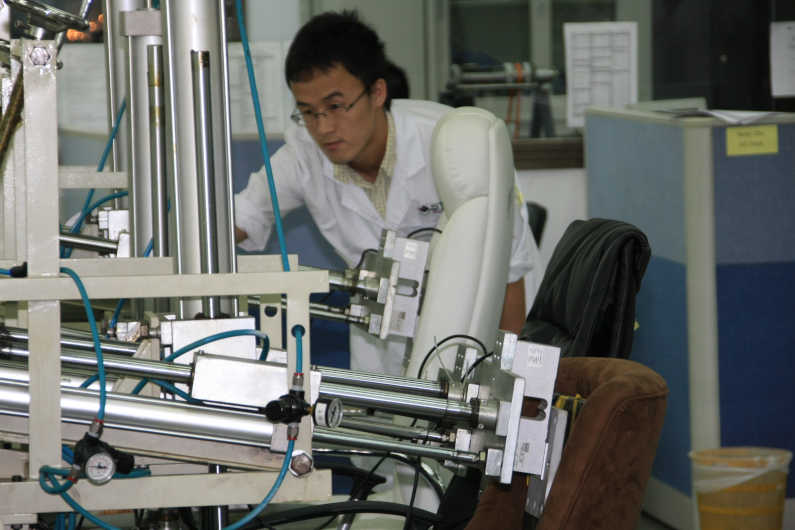
For example, if you sell electronics in Europe, you may realize that you need to test your products to meet RoHS standards. The directive prohibits the use of certain chemicals, including four heavy metals, two bromides and four phthalates. You can work with the laboratory to conduct tests and ensure your products are compliant.
If you need help determining which regulations may apply to your goods, please feel free to contact us. We work with several product safety and compliance consultants who can help you determine this.
Step 2: Find the right product testing laboratory
Laboratory testing fabrics
There are many testing laboratories in the world, but not all of them can meet your requirements. You must find the right laboratory to work with; of course, they should be able to perform the specific tests you need.
In addition, you need to consider certification. Some regulations require you to work with laboratories on a specific list.
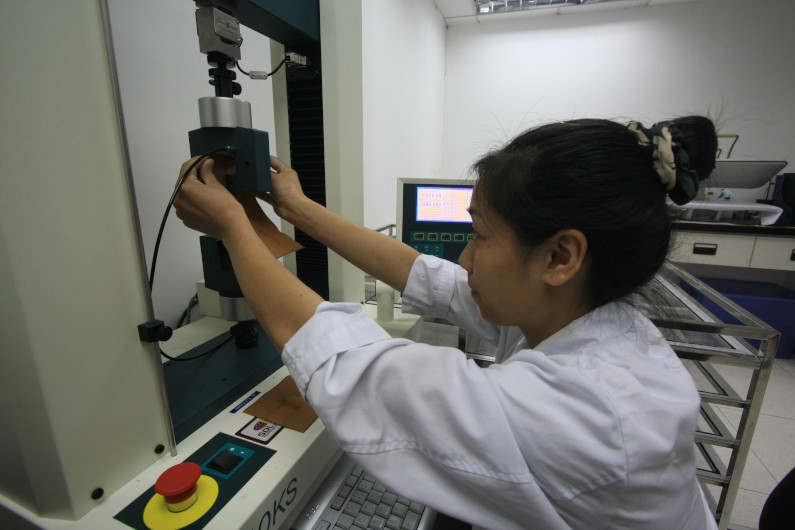
For example, if you sell children’s products in the United States, you must test them to comply with CPSIA and create a children’s product certificate. However, the Consumer Product Safety Commission (CPSC) will not accept all laboratory tests. They maintain a list of acceptable laboratories, and you must use one to make the test effective.
The laboratory should be in the country/region where you manufacture it. So, if your factory is in China, you should find a China laboratory. If they are in Vietnam, find a recognized Vietnam laboratory. You may also consider working with a laboratory certified by ISO 17025.
If you need help finding a test laboratory, we have established partnerships with multiple partners to help you with test management-please feel free to contact us for a discussion.
Step 3: Send the sample to the laboratory
Laboratory test chair
When it’s time to produce your products, it’s time to send them to the laboratory for testing. In general, testing should be completed as early as possible, so submit a test request immediately after placing an order with the factory.
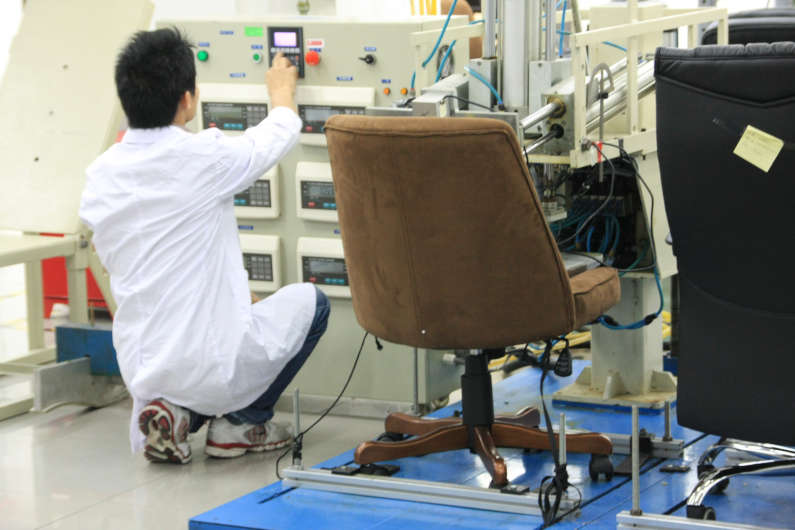
The items you submit for inspection should be extracted directly from mass production. This ensures that the test results reflect the status of the actual product consumers will receive. Once at least 10% of the batch production is complete, you can pull the product out and send it to the laboratory. They can then start the necessary testing procedures.
Step 4: Check your results
Men and women in the testing laboratory
After the laboratory completes your test, they will notify you of the failure (if any) and then send your laboratory test report. If a failure occurs, you will need to work with your supplier to determine appropriate corrective actions.

For example, factories may need to use different batches of raw materials or talk to their component suppliers. In any case, your report will give you an in-depth understanding of the problem so that you can discuss it with your manufacturing partners.
 WeChat


 Submission Successful
 WeChat Official Account