-
Xuntong specializes in testing services for electrical accessories, consumer electronics, lighting, wireless, toys and other products.



 Service Hotline 18617145297
A humidifier is a product that combines the attributes of a small household appliance, a water-bearing device and a possible heating element, so the safety boundaries it meets vary markedly from market to market. In helping manufacturers with multi-market humidifier compliance, Ningbo Xuntong Standard has found that the same product often has to be adjusted repeatedly between three different scales: temperature rise, water resistance and electromagnetic compatibility. This article sets out a comparison of the Chinese, European, American, Japanese and Australian approaches.
China applies GB 4706.48 (particular requirements for humidifiers) and may require CCC depending on the model; the European Union uses EN 60335-2-98 (particular requirements for humidifiers) together with CE; the United States is governed mainly by UL 998 (the humidifier safety standard); Japan applies JIS C 9335-2-98 / PSE; and Australia and New Zealand rely on AS/NZS 60335.2.98. Although all of these derive from IEC 60335-2-98, they still differ in labelling, limits and test conditions, so manufacturers should recognise these divergences early.
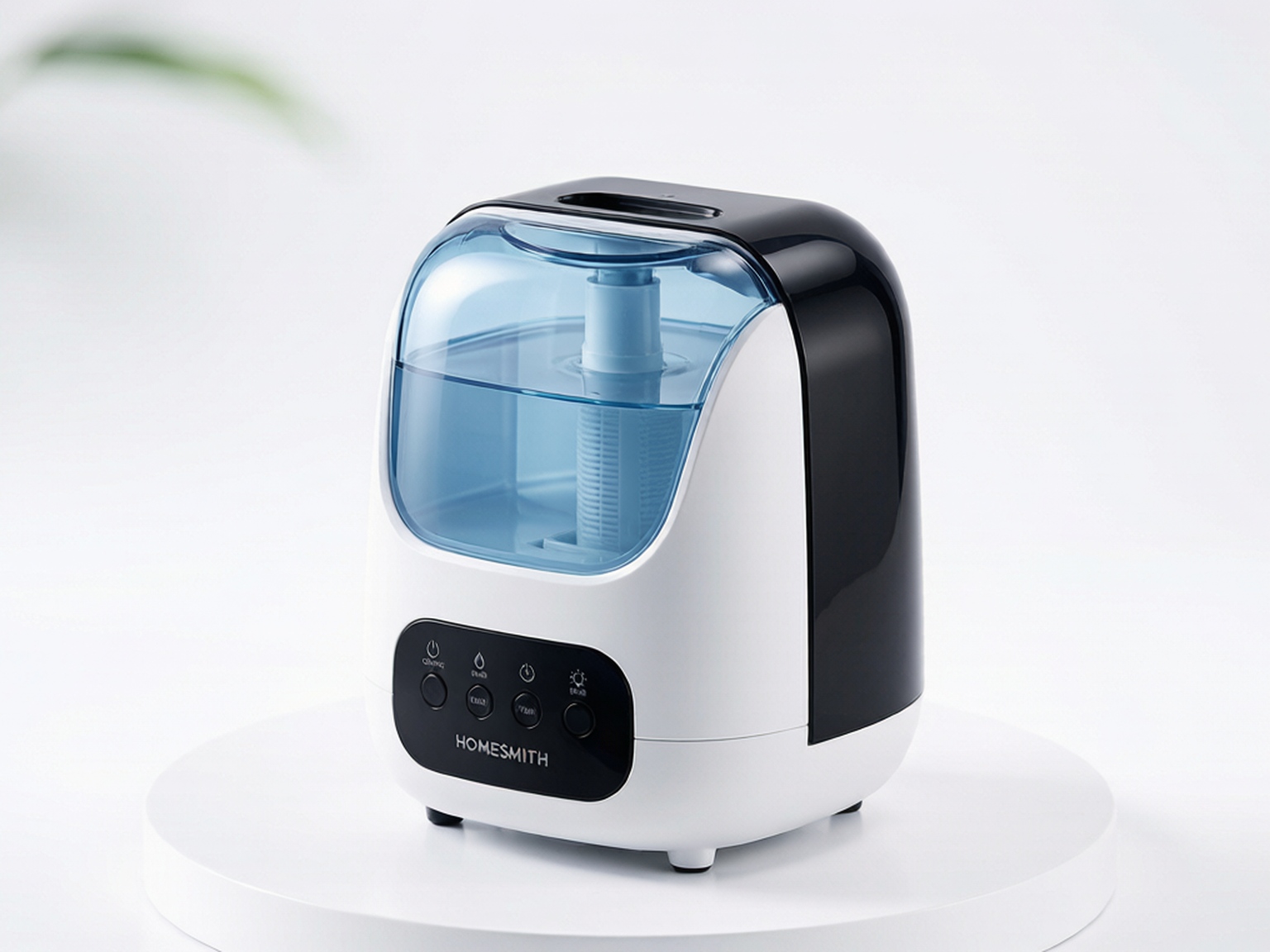
The first is the ingress protection rating: structures with a water tank and atomisation demand a higher level of protection against electric shock. The second is temperature rise and overheat protection, which must be verified carefully for heated evaporative humidifiers. The third is EMC and wireless: smart models with app control must also satisfy the relevant directives. Ningbo Xuntong Standard advises manufacturers to adopt “the highest surface temperature plus the highest ingress rating” as a single, unified design anchor, and then make market-specific reductions from there, so as to organise compliance without re-opening the tooling for every new market.
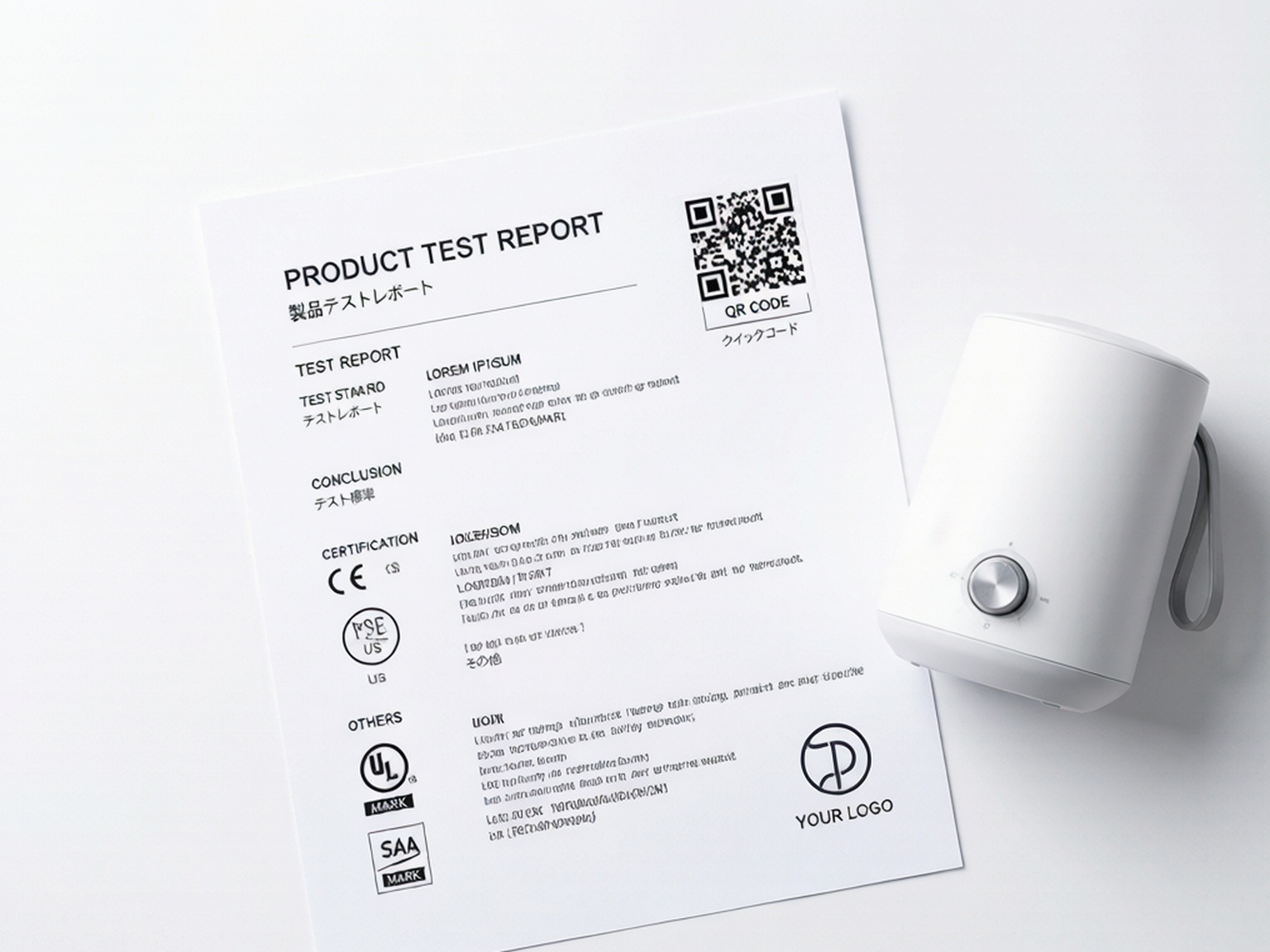
China: humidifiers involving mains power are mostly within the CCC scope. EU: CE self-declaration plus third-party testing. USA: UL/cTUVus and other NRTLs. Japan: PSE (usually circular). Australia and New Zealand: SAA/RCM registration. By using the CB scheme, a single IEC report can be converted for multiple countries, which significantly minimises repeated testing costs.
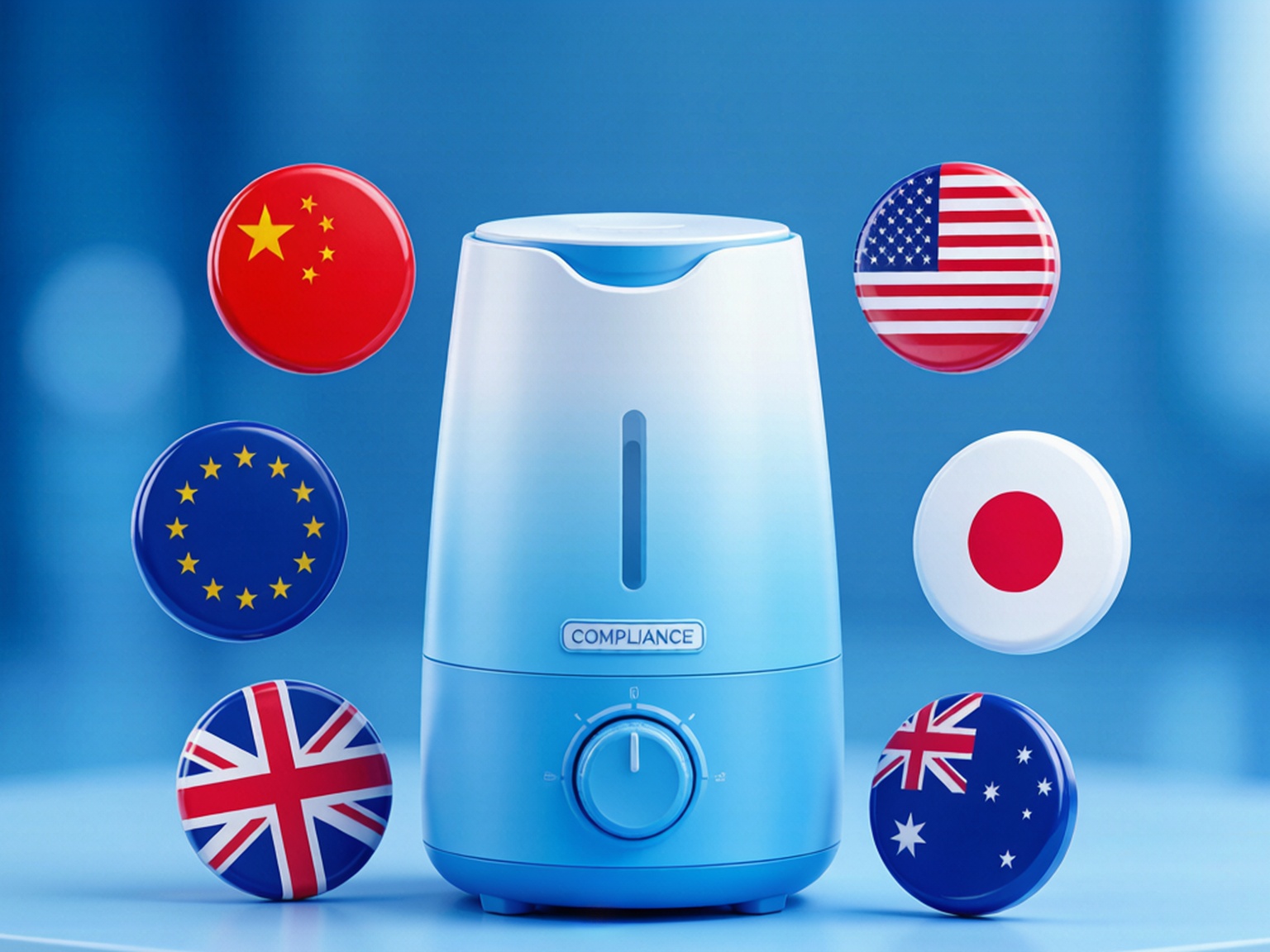
Poor tank sealing leading to water ingress, accessible live parts inside the atomisation chamber, failed temperature controls and excessive EMC disturbance are the most frequent causes of humidifier returns. Models with UV sterilisation or heating functions are especially prone to additional failures. We recommend carrying out an accelerated life assessment under the most stringent market’s abnormal test conditions during the design-verification stage, and characterising the thermal behaviour of every critical component.
Ningbo Xuntong Standard can provide humidifier manufacturers with a five-market standards comparison, pre-compliance testing and rectification, as well as certification liaison for CCC, CE, UL, PSE and SAA, helping a single development programme satisfy multiple market-access requirements. For more standards interpretation, see the Regulations & Standards column; for our appliance-testing capability, see the Appliance Testing column; or visit the Ningbo Xuntong Standard website for our quotation guide. Getting multi-market compliance right the first time is far cheaper than remedying it afterwards.
 WeChat


 Submission Successful
 WeChat Official Account