-
Xuntong specializes in testing services for electrical accessories, consumer electronics, lighting, wireless, toys and other products.



 Service Hotline 18617145297
On April 14, 2023, the American ANSI and Canada SCC releasedSafety of mobile energy storage power suppliesNew standard ANSI/CAN/UL 2743:2023。The new version of the standard has made important revisions based on the previous versions of UL 2743:2018 and UL 2743:2020, includes a series of standard optimizations.
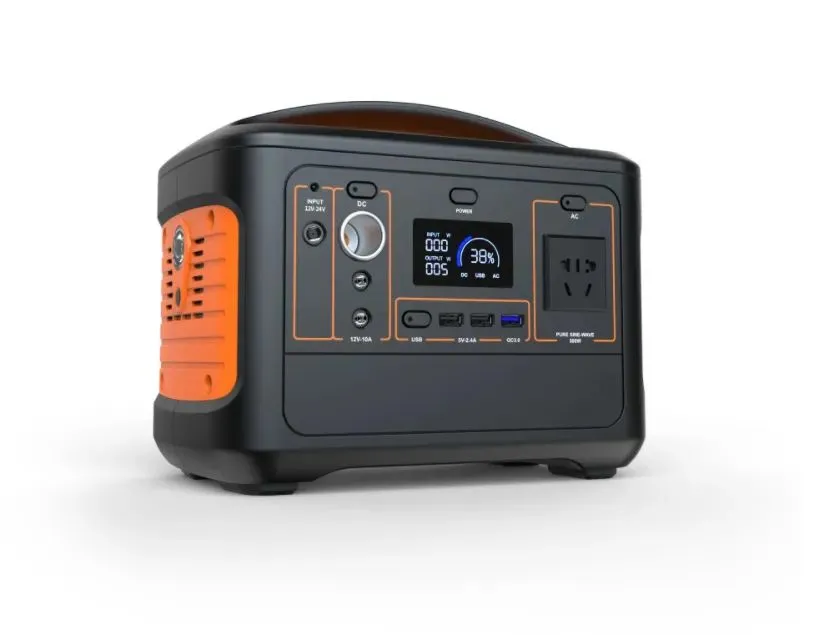
The main differences between the old and new versions are as follows:
■1. Newly add the definition of mobile type and introduce the concept of 18kg. For equipment that is not fixedly installed, if the weight is less than 18kg, or if a device is provided that is easy to move, it can be classified as a mobile energy storage product.
■2. For AC sockets other than 15A ungrounded sockets, supplementary evaluation standards (including UL 1012-Overcurrent Protection Requirements for AC sockets and other related requirements).
■3. Add functional grounding requirements (including structural and identification requirements) for dual insulation and isolation products.
■4. The vehicle charging voltage range is extended to support a rated input of 24V (the old standard only supports 12V input).
■5. Add multiple standard-compliant options for lithium batteries and lead-acid batteries (for example, for lithium batteries, it can meet any of UL 62133, UL 1642, UL 1973, and UL 2580 standards).
■6. Improve leakage current testing methods and supplement test requirements for dangerous voltage to safe voltage ports (for example, between inverter AC port and low-voltage terminal).
■7. For the evaluation of critical safety circuits, add single component failure as an alternative to UL 60730-1.
■8. For lithium battery packs greater than 1kWh, add single-cell failure test requirements (refer to UL1973 single-cell thermal diffusion test method).
■9. Optimize the test method for emergency start output and clarify the identification requirements (current and duration).
■10. Revise the drop test requirements to clarify that a 0.9m drop test will be carried out for products below 18kg.
 WeChat


 Submission Successful
 WeChat Official Account