-
Xuntong specializes in testing services for electrical accessories, consumer electronics, lighting, wireless, toys and other products.



 Service Hotline 18617145297
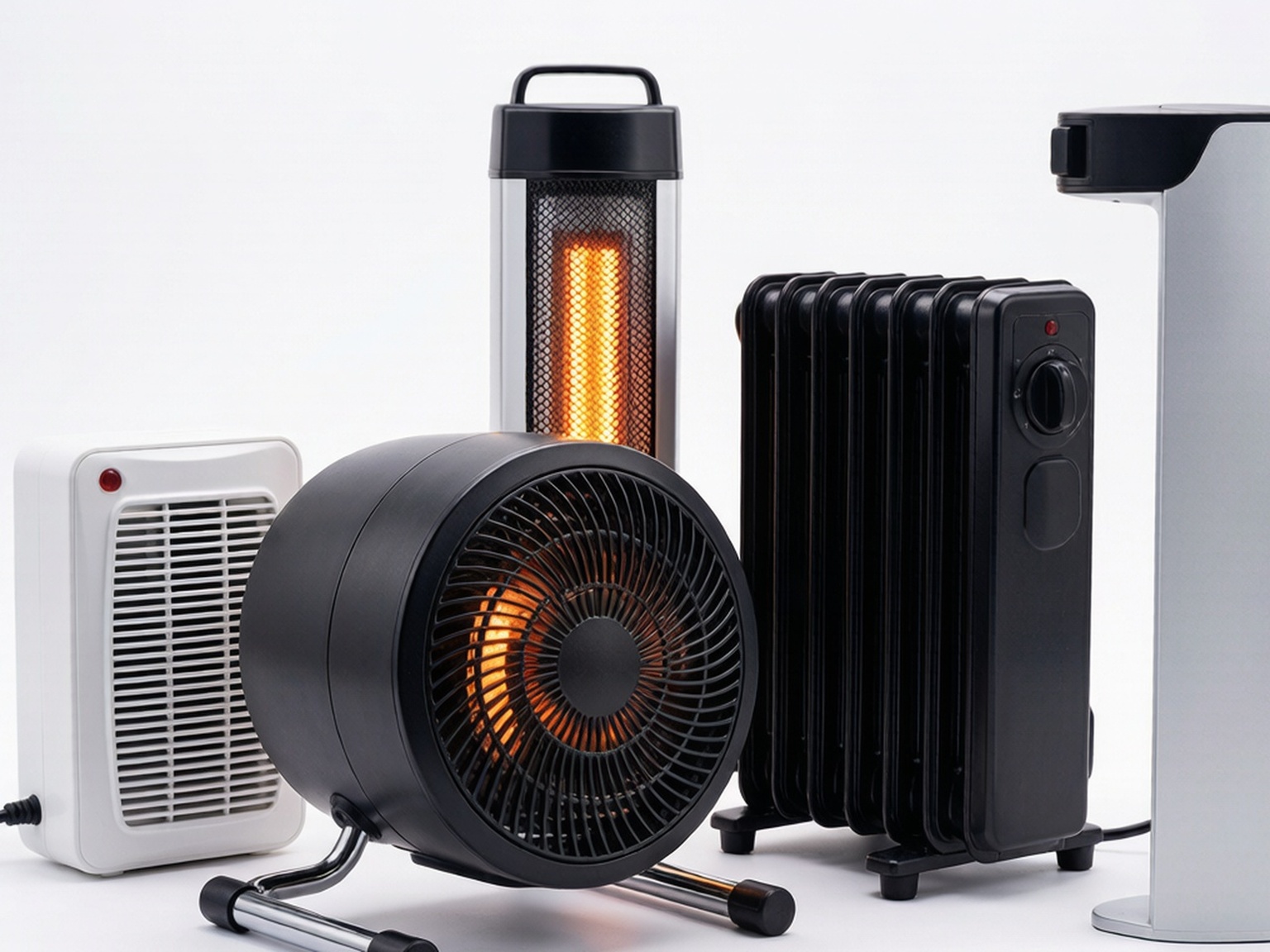
Indoor heaters (electric heaters, oil cans, skirting wires, convection stoves) are hot sellers in winter in Europe and the United States, but the requirements for heating vary greatly in safety regulations among countries. Based on IEC60335 -2-30, this paper clearly compares the access differences between China, the European Union, the United Kingdom, the United States, Japan, and Australia and New Zealand, making it convenient for enterprises to design at one time and apply it in multiple countries. See for an overviewClassification of regulations and standards。
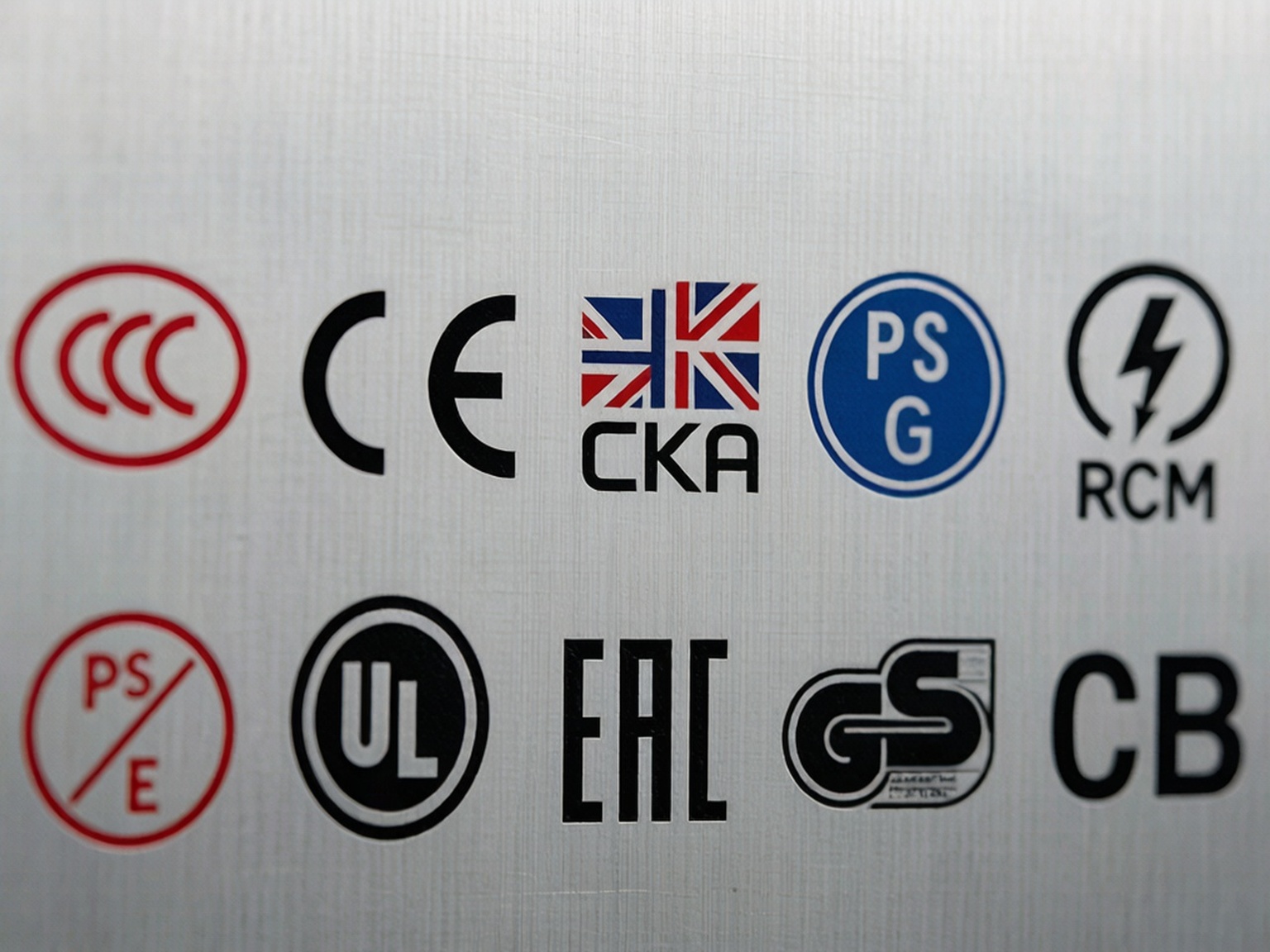
The corresponding relationship is: China GB4706.23 (CCC/CQC), International IEC 60335-2-30, EU EN60335 -2-30 (CE), UK BS EN60335 – 2 – 30 (UKCA), Japan J60335 -2-30 (PSE), ANZ AS/NZS 60335.2.30 (RCM), US UL1278 (mobile)/UL2021 (fixed). Except for the UL system used in the United States, the rest are basically equivalent transformations of IEC 2-30. Enterprises can first determine the main design around the IEC version.
There are three main differences: The first is dumping protection, which is required by all countries, but the action angle and self-locking details are different. The U.S. UL1278 has more detailed requirements for portable types, while the fixed type corresponds to UL2021. There are also differences in the temperature rise methods between the two; the second is the surface temperature, which is similar to the European and American limits, but the test methods (point locations) are different; The third is local additions, such as Australian plugs, Japanese PSE diamond notification, and British UKCA label transition period. When Ningbo Xuntong standard conducts multi-country transfers, these points will be listed into a matrix of differences and implemented one by one to prevent companies from only taking CE but getting stuck on the Japanese diamond PSE.
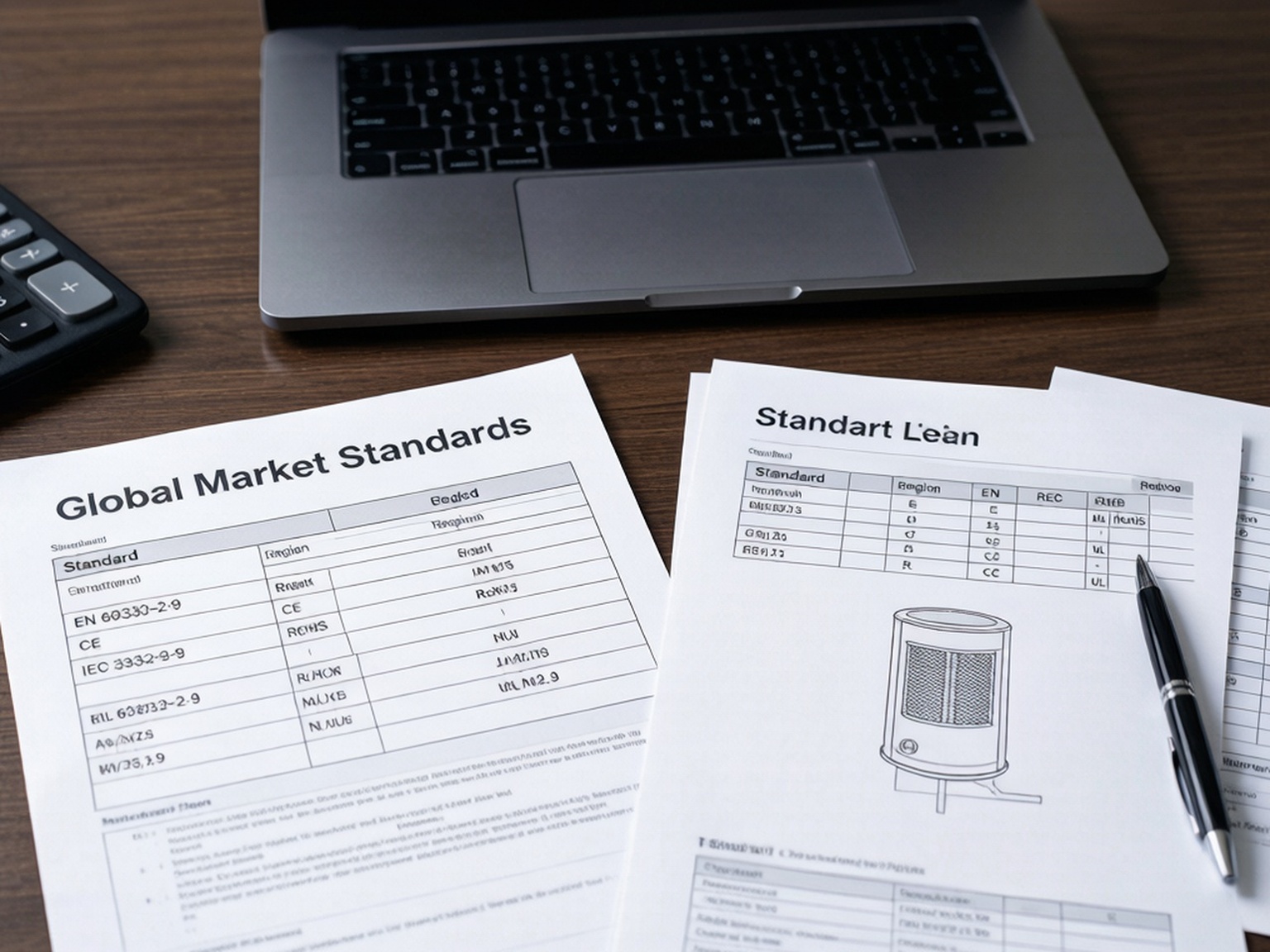
It is recommended to make an IEC60335 -2-30 general design first, and make the dump switch, over-temperature protection, and heat insulation structure right at once. Ningbo Xuntong standards also recommend this to shorten the multi-country license transfer cycle, and then supplement local testing and labeling for the target market. It is the fastest to transfer to Europe/UK/Australia with a CB certificate; you need to make up a local application to transfer to China, the United States and Japan. Please refer to the complete comparison and inspection listHome appliance testing services, or visitNingbo Xuntong Standard Official WebsiteDownload the heater access guide for each market and clarify the differences among many countries at once.
 WeChat


 Submission Successful
 WeChat Official Account