-
Xuntong specializes in testing services for electrical accessories, consumer electronics, lighting, wireless, toys and other products.



 Service Hotline 18617145297
Heating season is approaching, and indoor heaters (electric heaters, convection stoves, skirting heaters, oil heaters, etc.) are one of the categories with a high failure rate in home appliance safety inspections. basisClassification of regulations and standardsIn IEC 60335-2-30 included in the IEC 60335-2-30, such products must not only meet the general standard IEC 60335-1, but also pass the additional clauses of a special chapter. This article sorts out the most common non-conformance points in the laboratory and provides corresponding rectification ideas to facilitate enterprises to conduct a systematic self-inspection before submitting for inspection.
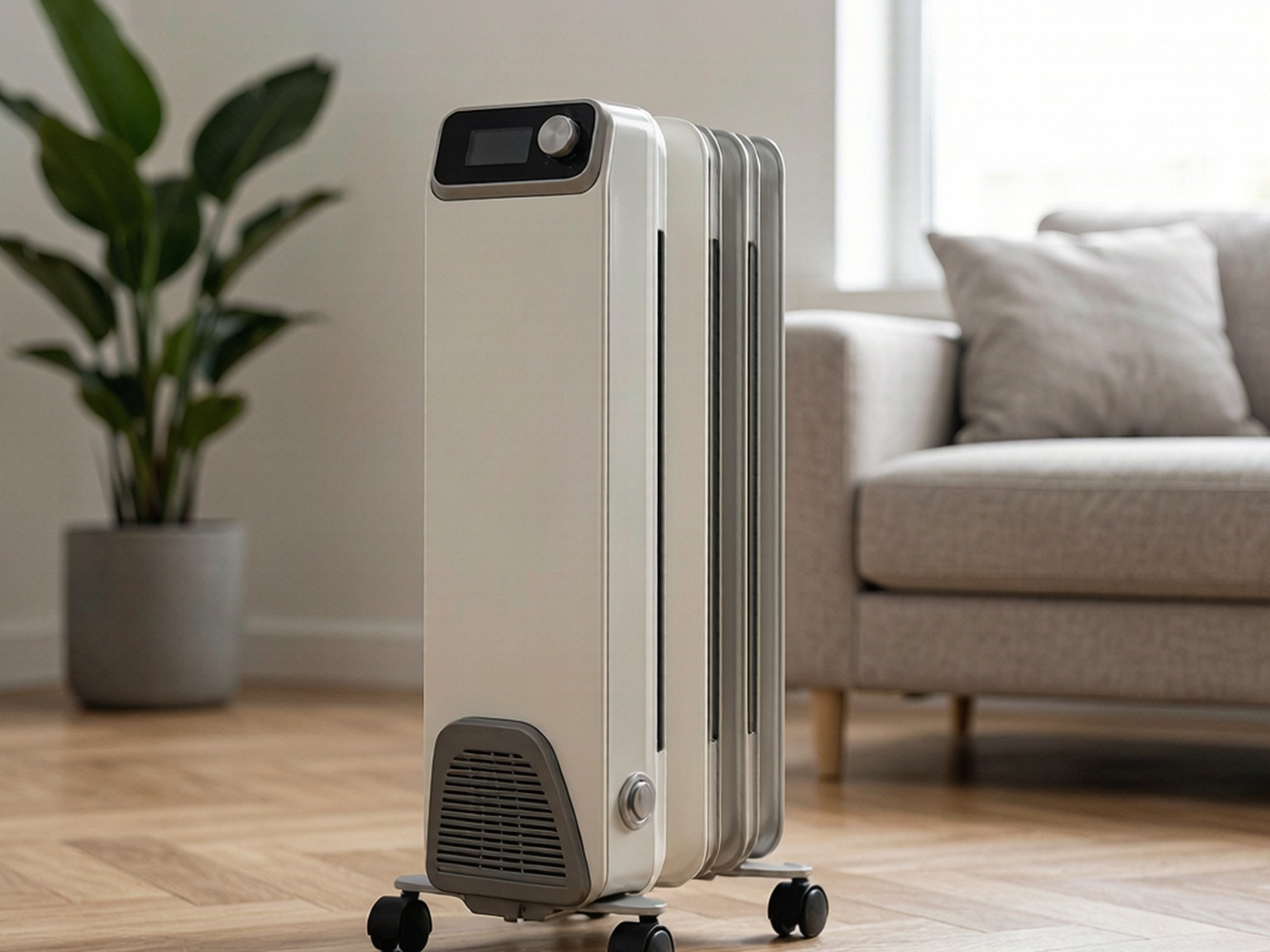
Indoor heaters have high power, high surface temperatures, and often need to be placed close to the ground or against a wall. These characteristics are combined, making them much more risky in terms of temperature rise, abnormal operation, and structural gaps than small appliances. Many companies only blocked the electrical strength of the general standard, but ignored the special requirements of part-2-30 for temperature limits and dumping protection for accessible surfaces. As a result, they were stopped during the confirmation test stage. Judging from the random inspection data over the years, 30% of the heating unqualified reports are concentrated on temperature rise and dumping.
The standard requires that heaters that may tip over during intended use must be equipped with a tipping power cut off device and that the power supply must be reliably cut off after action. There are three types of common problems: one is that the tilt switch is not installed at all; the other is that the switch angle threshold is too large and it does not move when it tilts slightly; the third is that it does not self-lock after reset, and power will be restored if the user accidentally touches it. The rectification method is to select a compliant tilting microswitch, calibrate the action angle within 15°, and structurally ensure that it must be manually reset after power failure. At the same time,Home appliance testing servicesBy conducting a complete machine dumping test verification in the laboratory and using the technical team of Ningbo Xuntong Standards to conduct pre-testing, such structural hidden dangers can often be digested at the research and development end.

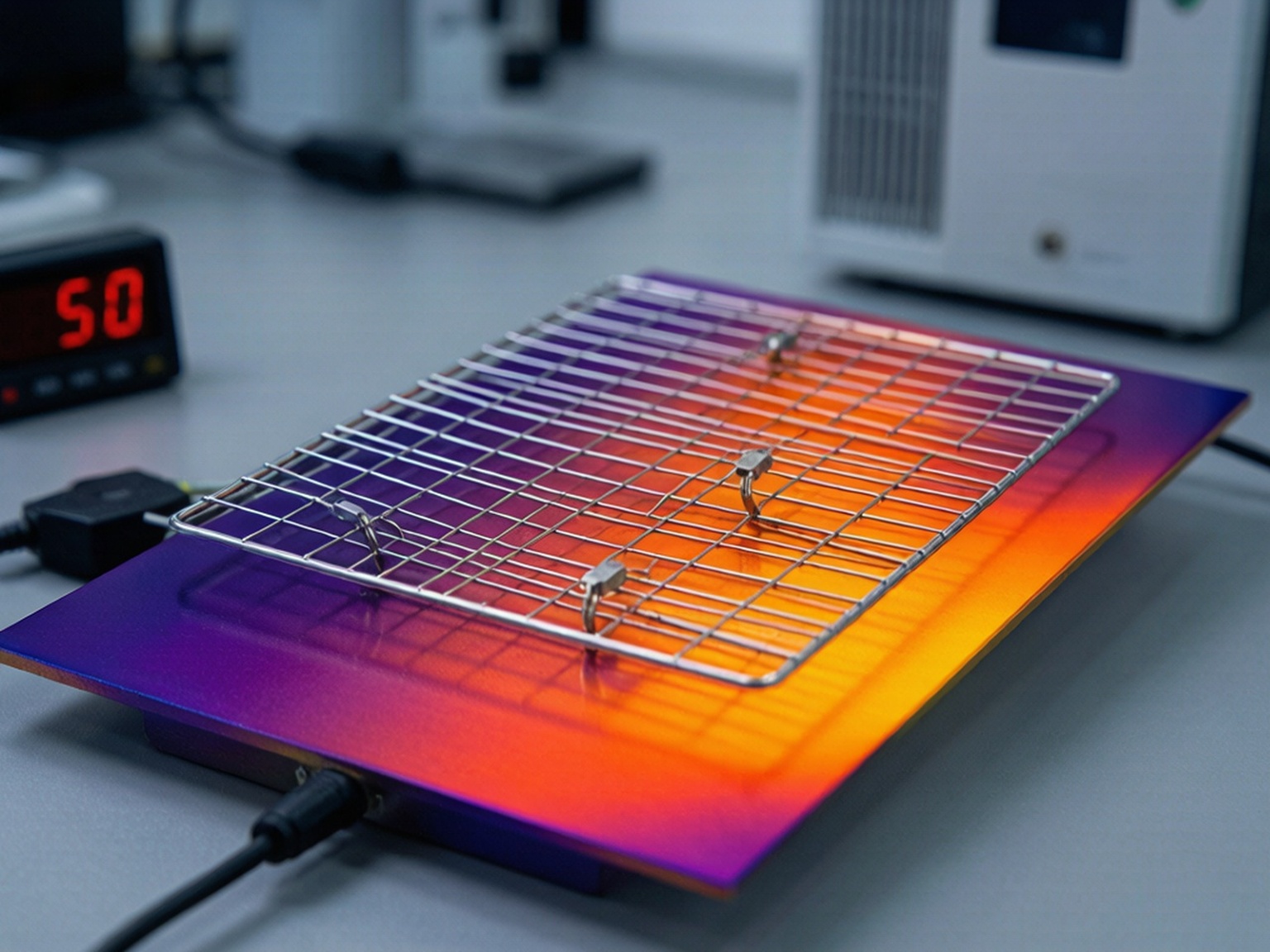
Accessible parts such as metal casings, air outlets, and control panels all have upper limits on temperature rise. For example, in normal temperature rise tests, the metal surface usually does not exceed 60 K. Most of the failures are due to insufficient design of radiating ribs, insufficient air volume or missing insulation cotton. During rectification, heat dissipation fins can be added, air ducts can be optimized, and insulation layers can be added between the internal heating body and the shell; if the standard still exceeds the standard, consider replacing the metal parts with coated low thermal conductivity materials, or adding a temperature controller to over-temperature cut. The actual measurement points are very critical. If the points are deviated, false passes will occur, and the formal test will turn over.
When simulating abnormalities such as fan blocking and temperature controller failure, the product cannot catch fire or leak electricity. Many samples are overheated due to the continuous energization of the heater after the fan stops. A separate thermal fuse needs to be added to the circuit instead of relying solely on adjustable temperature control. In addition, insufficient creepage distance and electrical clearance between live parts and the housing will also lead to breakdown in the withstand voltage test. Ningbo Xuntong Standard will focus on checking these two points during the pre-test stage to digest the risks in advance and avoid formal certification. Rework.
It is recommended that enterprises review it first before sending it for formal inspection: whether the tipping switch is installed and operates reliably, whether there is room for temperature rise on the accessible surface, whether there is independent over-temperature protection, whether the creepage distance meets the standard, and whether the instructions mark prohibited coverage and minimum spacing. Solving these on the R & D side saves much time than reworking during the certification stage. More interpretation of home appliance safety regulations can be paid attention toNingbo Xuntong Standard Official Website, obtain continuously updated standard updates and inspection guidance.
 WeChat


 Submission Successful
 WeChat Official Account