-
Xuntong specializes in testing services for electrical accessories, consumer electronics, lighting, wireless, toys and other products.



 Service Hotline 18617145297
Japan is a major consumer market for household appliances, yet its distinctive PSE (Product Safety Electrical Appliance & Material) system follows an independent logic for imported appliances. In serving exporters to Japan, Ningbo Xuntong Standard has noticed that many manufacturers cannot tell a “diamond PSE” from a “circular PSE”, which leads to the wrong certification route and a lengthened lead time. This article clarifies the core framework of Japanese appliance certification.
Japan’s Electrical Appliance and Material Safety Act divides products into specified electrical appliances and non-specified electrical appliances. The former carry higher risk and require a diamond PSE (third-party body certification plus factory inspection); the latter use a circular PSE (self-declaration plus a third-party test report). Most common appliances such as rice cookers, hair dryers, humidifiers and chargers fall under the circular PSE category, but some models with particular structures may involve the diamond category and must be checked line by line against the appended table, so manufacturers should recognise the distinction early.
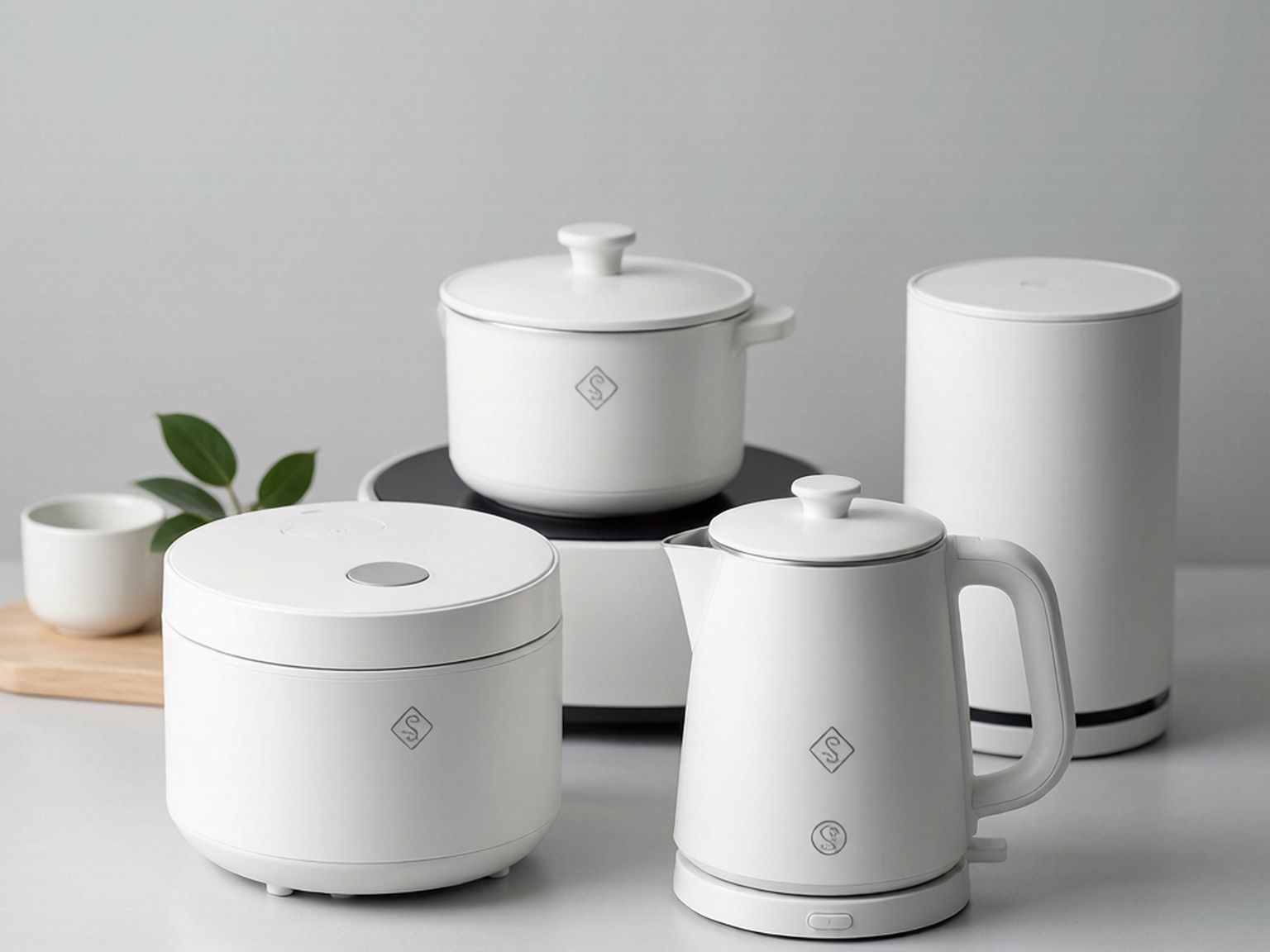
Japanese appliance safety standards are based on the JIS C 9335 series (equivalent to IEC 60335), namely J 60335-1 general requirements plus J 60335-2-x particular requirements. Ningbo Xuntong Standard reminds manufacturers that the J standards carry national differences in plug form (Japanese two-flat-pin), voltage (100 V) and certain limits, and an IEC report cannot simply be substituted; the Japanese difference testing must be supplemented, and the local deviations fully characterised.
Circular PSE: submit samples to an accredited laboratory for testing against the J standards, issue the test report, make the self-declaration and affix the circular PSE mark, then retain the technical file for inspection. Diamond PSE: certification must pass through a METI-accredited registration body (such as JET or JQA), including factory inspection; the certificate remains valid long term but requires surveillance. Either way, the nameplate and instructions must be in Japanese and show the PSE mark and importer information, and the labelling must be verified before shipment.
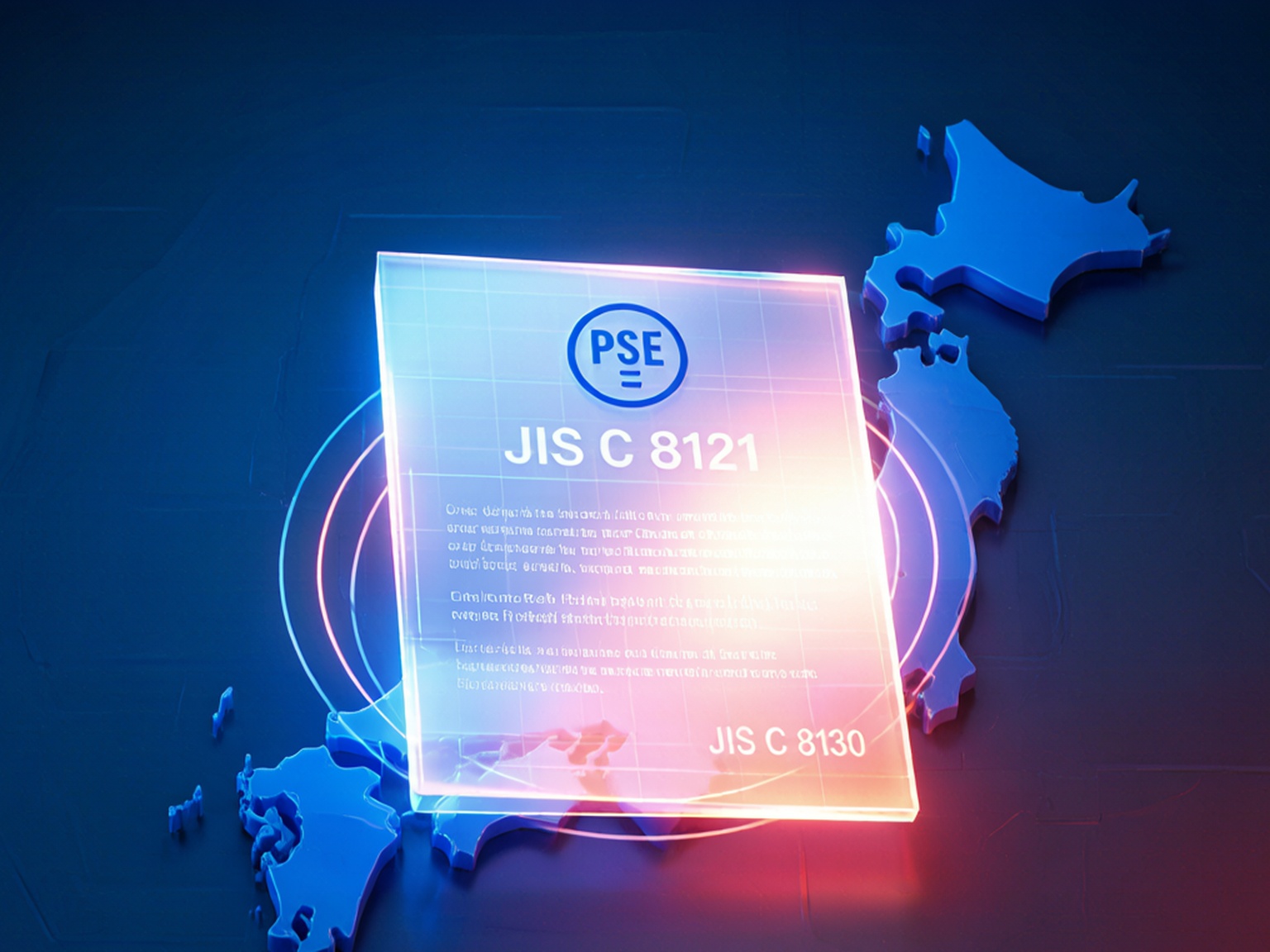
The first misunderstanding is converting a CE report directly into PSE, ignoring the 100 V and Japanese-plug differences. The second is a nameplate without the PSE mark or with missing importer information, which blocks customs clearance. The third is treating a model that should be diamond as circular self-declaration. We advise manufacturers to have a professional body determine the classification at project launch, so as to organise the work without costly reversals later.
Ningbo Xuntong Standard can provide Japanese PSE classification determination, J 60335 difference testing, report issuance and certification liaison for manufacturers, covering both circular and diamond routes, and can assist in preparing Japanese-language nameplates and instructions. For more standards interpretation, see the Regulations & Standards column; for our appliance-testing capability, see the Appliance Testing column; or visit the Ningbo Xuntong Standard website for our quotation guide. Choosing the right route is the key to accelerating access to the Japanese market.
 WeChat


 Submission Successful
 WeChat Official Account