-
Xuntong specializes in testing services for electrical accessories, consumer electronics, lighting, wireless, toys and other products.



 Service Hotline 18617145297
Why is UN38.3 testing particularly necessary for sea and air freight?
Sea freight is characterized by low freight volume but long transportation time. During transportation, lithium batteries/batteries or lithium battery products in containers are piled on wet decks for long periods of time and withstand high and low temperatures. In addition, there is a risk of collision when batteries are loaded onto and unloaded from the ship.
Although air transportation is very fast, when an aircraft is flying in the stratosphere, the air pressure is lower than on the ground. In environments that are sometimes high and sometimes low temperatures, batteries can easily cause short circuits. Turbulence in the air can cause batteries to collide with each other, and vibrations caused by take-off and landing can also have a particularly detrimental effect on batteries.
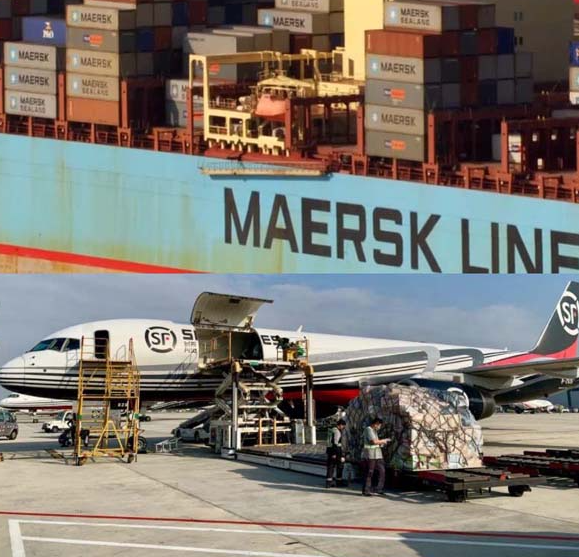
Several unstable factors can cause abnormalities in the battery chemical composition, which in turn pose dangers. It is impossible to ban the trade and transportation of batteries and electronics between countries around the world. Sea and air transportation are two core transportation methods that cannot be replaced. What to do with this?
Don’t worry, UN38.3 has taken these factors into account. UN38.3 ‘s test project is designed to simulate all these dangerous scenarios. By placing batteries in these scenarios, we can know in advance whether the batteries can safely adapt to these conditions.
 WeChat


 Submission Successful
 WeChat Official Account