-
Xuntong specializes in testing services for electrical accessories, consumer electronics, lighting, wireless, toys and other products.



 Service Hotline 18617145297
Official name of the directive:
The European Parliament and the Council issued Directive 2014/35/EU on February 26, 2014, which aims to harmonize legal voltage limits for member states on the placing on the market of electrical equipment used within specific ranges.
Description:
The low voltage designation covers all electrical equipment and components designed for use with rated voltages of 50 to 1000 V (AC) and 75 to 1500 V (DC). The Low Voltage Directive defines which products fall within its application area, provides the basic (safety) requirements that the electrical equipment and components it covers must comply with, and outlines the conformity assessment procedures that manufacturers must apply to ensure compliance comply with the basic requirements.
This directive applies to all electrical equipment designed for use with AC rated voltages of 50 to 1000 V and DC rated voltages of 75 to 1500 V. Rated voltage refers to the voltage at the electrical input or output, not the voltage that may occur inside the equipment.
The term “electrical equipment” is not defined in this directive. Therefore, it should be interpreted in accordance with the internationally recognized meaning of the term. The IEC International Electrotechnical Vocabulary (International Electrotechnical Commission) defines electrical equipment as:
“Items used to generate, convert, transmit, distribute or utilize electrical energy, such as machines, transformers, switchgear and control equipment, measuring instruments, protective devices, wiring materials, electrical equipment.”
The scope of the directive includes electrical equipment intended to be incorporated into other equipment and equipment intended to be used directly without being incorporated.
Examples of products within the scope of the LVD Directive:
The Low Voltage Directive stipulates that manufacturers are responsible for conducting conformity assessments: manufacturers conduct their own conformity assessments and record the results of the assessments. Generally, conformity assessment requires visual inspection and testing in accordance with harmonized European standards. If the manufacturer is unable or unwilling to conduct the assessment himself, he can involve third-party agencies. There are no special requirements for these agencies. However, manufacturers need to ensure that the agency has the ability to conduct testing and evaluations.

 WeChat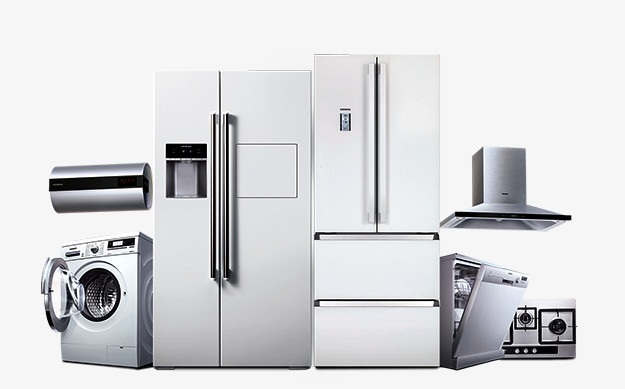


 Submission Successful
 WeChat Official Account