-
Xuntong specializes in testing services for electrical accessories, consumer electronics, lighting, wireless, toys and other products.



 Service Hotline 18617145297
Protection level IP54 is a very common protection level among IP protection levels. It is mainly used in electrical cabinets, electrical control cabinets (boxes), fire-fighting equipment and electrical products with high requirements for dust prevention and certain requirements for waterproof capabilities.
Electrical products that need to achieve IP54 protection level are generally electrical products that are installed outdoors or need to be used outdoors.
On the one hand, the dust content of outdoor air is large, and the product will come into contact with a large amount of dust, which may cause dust to enter the interior of the product shell, which will have a negative impact on the product. On the other hand, the product will also be subject to rainwater outdoors. The washing and the impact of other stagnant water splashing from the ground require the product to have strong dust and water resistance.
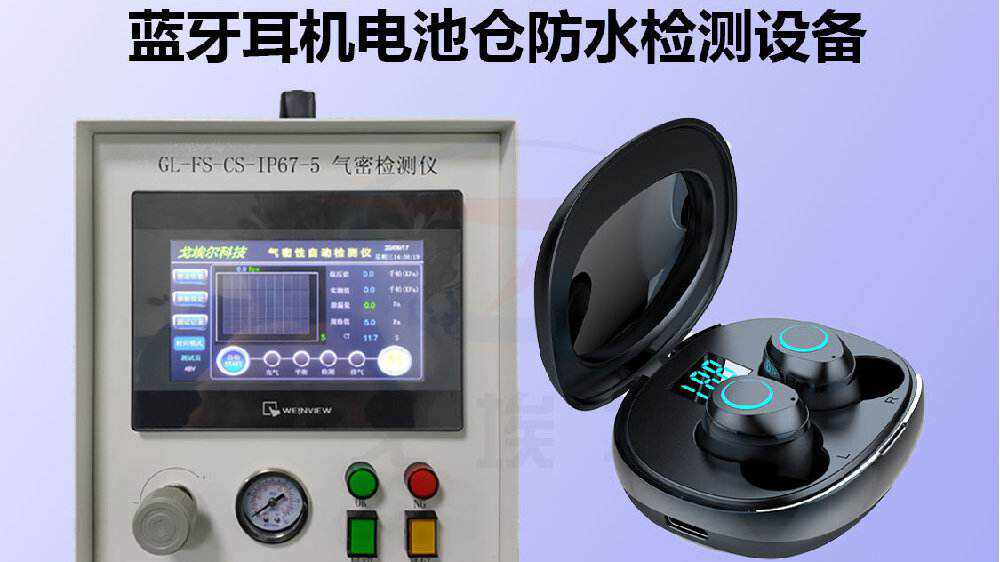
It should be noted that among the implementation standards of many electrical products, the IP54 protection level is the lowest protection standard.
Protection level IP55 is also a common protection level among IP protection levels.
Compared with IP54, IP55 has higher protection requirements. Level 5 waterproof requirements are much stricter than Level 4 waterproof, and the test methods are different. Level 4 waterproof uses a 360-degree swing pipe spray for testing, while Level 5 waterproof uses a high-pressure water gun to test all sides of the equipment, and the joints of the shell need to be sealed with sealing strips.
Generally, electrical products such as electrical cabinets and control cabinets have IP55 protection requirements for equipment, and they generally need to be placed outdoors for use.
IP55 is relatively high in the medium IP protection level, and manufacturers should fully consider this factor when designing products.
Protection levels IP56 and IP66 are two very strict levels of IP protection levels.
Level 6 waterproofing has very strict requirements on the waterproof ability of the product, and can even be described as strict, because the test method for Level 6 waterproofing is to use a high-pressure water gun to separately flush the six surfaces of the product, and the water pressure is set as high as 110 kilopascals. If the sealing effect at the joints is not good during the testing process, it will cause water to enter the shell.
Many products can pass the two protection levels of IP67 or even IP68, but Level 6 waterproof never passes, which shows the strictness of Level 6 waterproof.
In our daily testing work, we often encounter problems that fail the Level 6 waterproof test and require later rectification. Therefore, customers can rectify the product before sending samples for testing. You can call us for specific rectification plans. Let our engineers answer your questions for you!
Protection levels IP67 and IP68 are relatively close.
IP67 requires products to resist the negative impact of water pressure of 1 meter water depth on the product, while IP68 requires a water depth greater than 1 meter (the specific water depth is specified by the customer), generally 2-10 meters. Of course, some equipment will require a water depth of 50 meters or even 100 meters.
Generally, products that must achieve this level of protection are electronic equipment, precision instruments, etc. that have extremely strict requirements for dust and water resistance, such as mobile phones, measuring instruments, etc.
 WeChat


 Submission Successful
 WeChat Official Account