-
Xuntong specializes in testing services for electrical accessories, consumer electronics, lighting, wireless, toys and other products.



 Service Hotline 18617145297
E-cigarette regulations change every year and vary globally. Some countries offer stricter restrictions than others, and some regulatory changes are not conducive to e-cigarette users. However, the Philippine government’s recent move has been welcomed by e-cigarette activists.
Earlier this year, legislation was proposed to amend the country’s e-cigarette laws and became law on July 25.
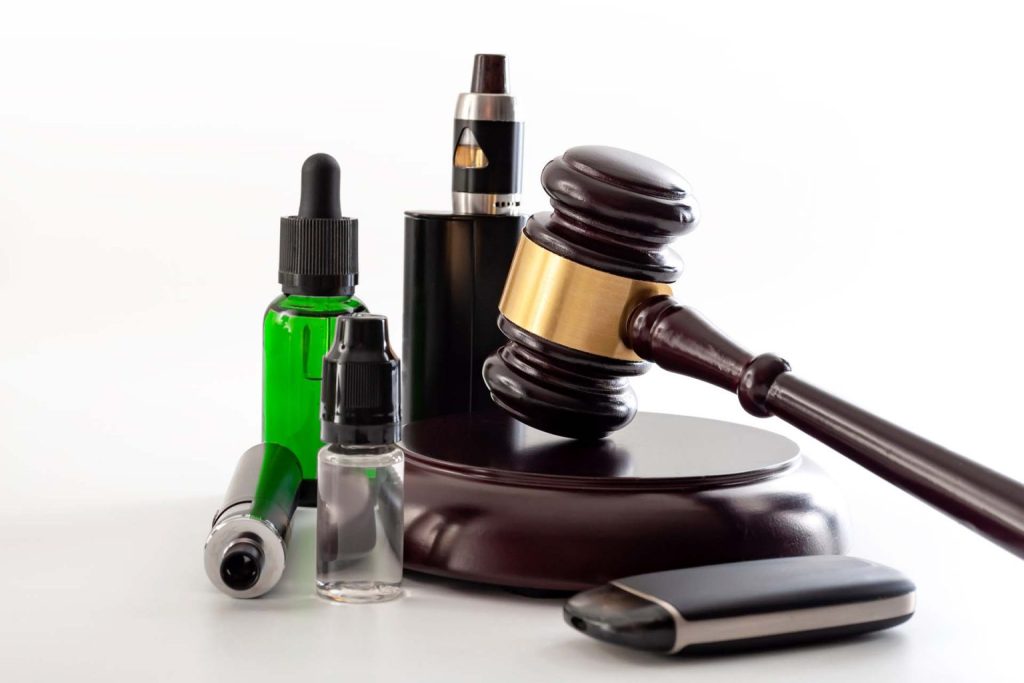
What is the current updated e-cigarette law?
The most important aspect of the updated law is that it legalizes the use of e-cigarettes as a means of smoking cessation. This helps align the Philippines with most of Europe, making it one of the few Asian countries with reasonable e-cigarette regulations.
The new law allows nicotine concentrations as high as 65 mg/ml (6.5%) and lowers the legal purchase age from 21 to 18. These certainly provide huge benefits to customers who need higher intensity and help provide help to smokers aged 18-21.
In the Philippines, the legal age for purchasing cigarettes has always been 18, which means that before this legislative change, young smokers would have had to smoke for at least three years before they could legally purchase e-cigarettes. So it is hoped that these changes will help the country’s 16 million smokers, including the youngest adult smokers.
The changes also include restrictions on where e-cigarette products can be sold and penalties for stores and online retailers selling products to minors. In a similar move to the UK and Europe, they have also restricted advertising with social media influencers and celebrities.
Another subtle change in the law revolves around taste. Although the law does not completely ban flavors (bans already exist on flavors other than menthol and tobacco), it prohibits labels and advertisements that use flavor descriptors that may appeal to minors. This includes wording related to fruits, candies, desserts or cartoon characters.
One of the biggest changes has been the change in the authority governing e-cigarettes. The Department of Trade and Industry (DTI) will control regulations for e-cigarettes and heated tobacco products, not the FDA.
The politics behind change
When the bill was first introduced, some political parties, including the Philippine Department of Health, disagreed with the proposed changes. However, the FDA has previously angered many people after U.S. billionaire Michael Bloomberg tried to influence Philippine policy by providing funding to anti-e-cigarette groups.
As the presidency began to change hands, the bill was also under review, suggesting it could be flying under the radar.
Here’s the hope that the Philippines will continue to try out new regulations and allow them time to work, rather than succumbing to objections aimed at suppressing e-cigarettes as a smoking cessation tool.
Impact of legal changes on manufacturers and brands
As part of the improved regulations, import, manufacturing, sales, packaging and distribution have also been overhauled. These are in line with internationally recognized standards. However, if brands want to bring their products to the Philippines, they still need to understand some regulations.
On the one hand, the fragrance ban limits e-cigarette products to menthol and tobacco flavors. These also cannot be labeled with fruit/candy/dessert names. Therefore, brands should pay attention to product labels, flavor names and flavor descriptions.
Although some tobacco flavors may have a natural fruity flavor, they should not be used as a descriptor. As the legal age of e-cigarettes changes from 21 to 18, the age limit label on the product also needs to be updated.
 WeChat


 Submission Successful
 WeChat Official Account